Buying Guide
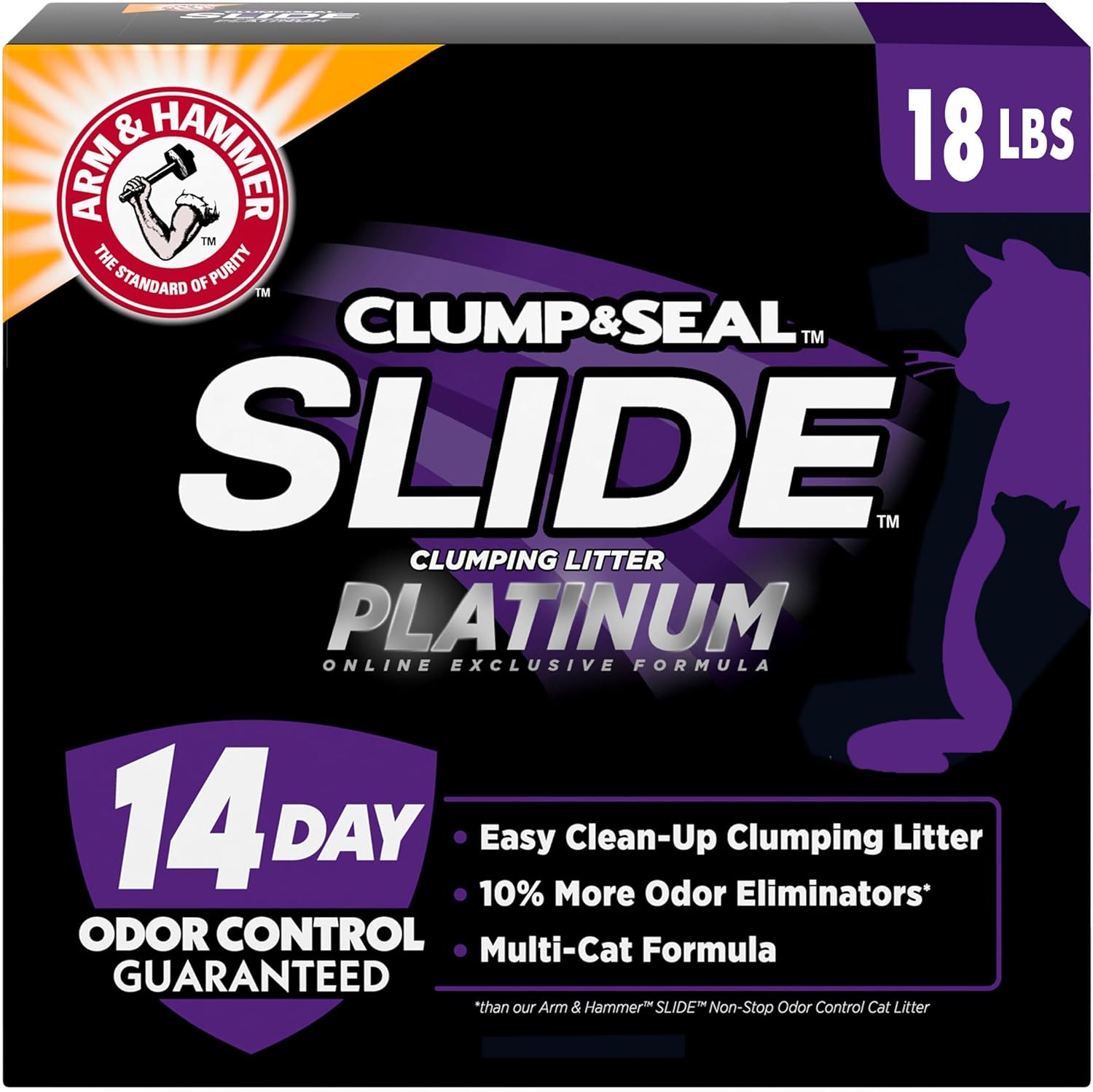
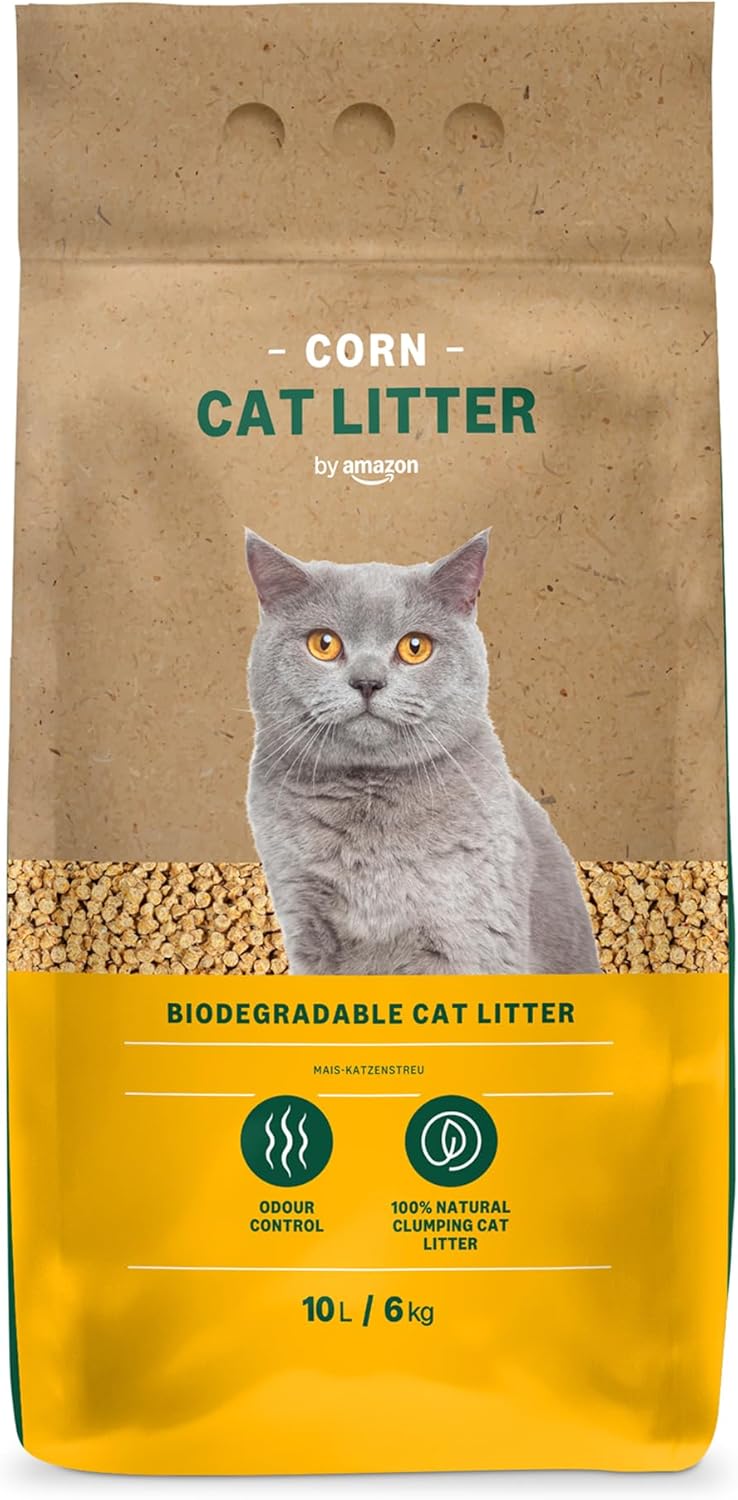
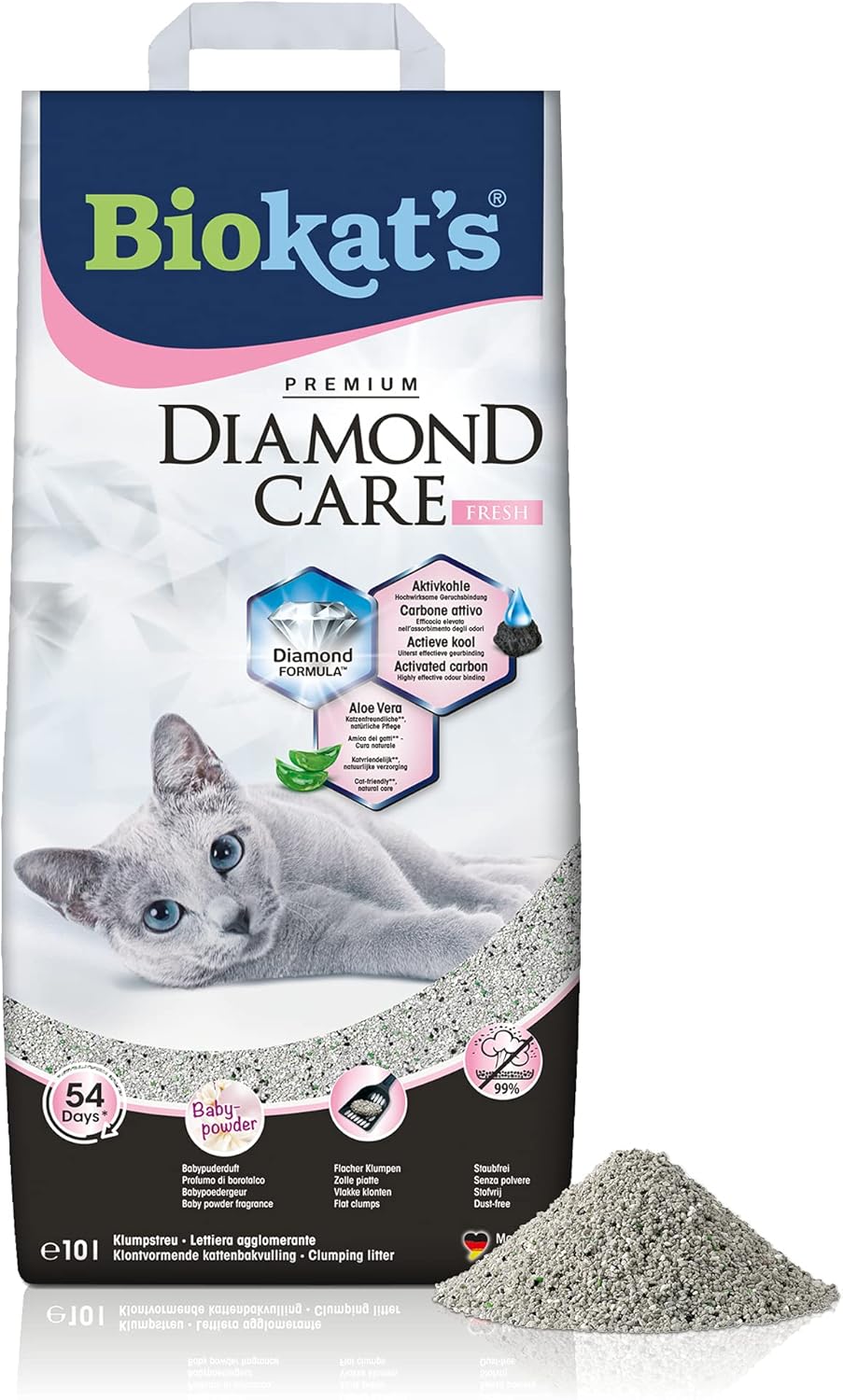
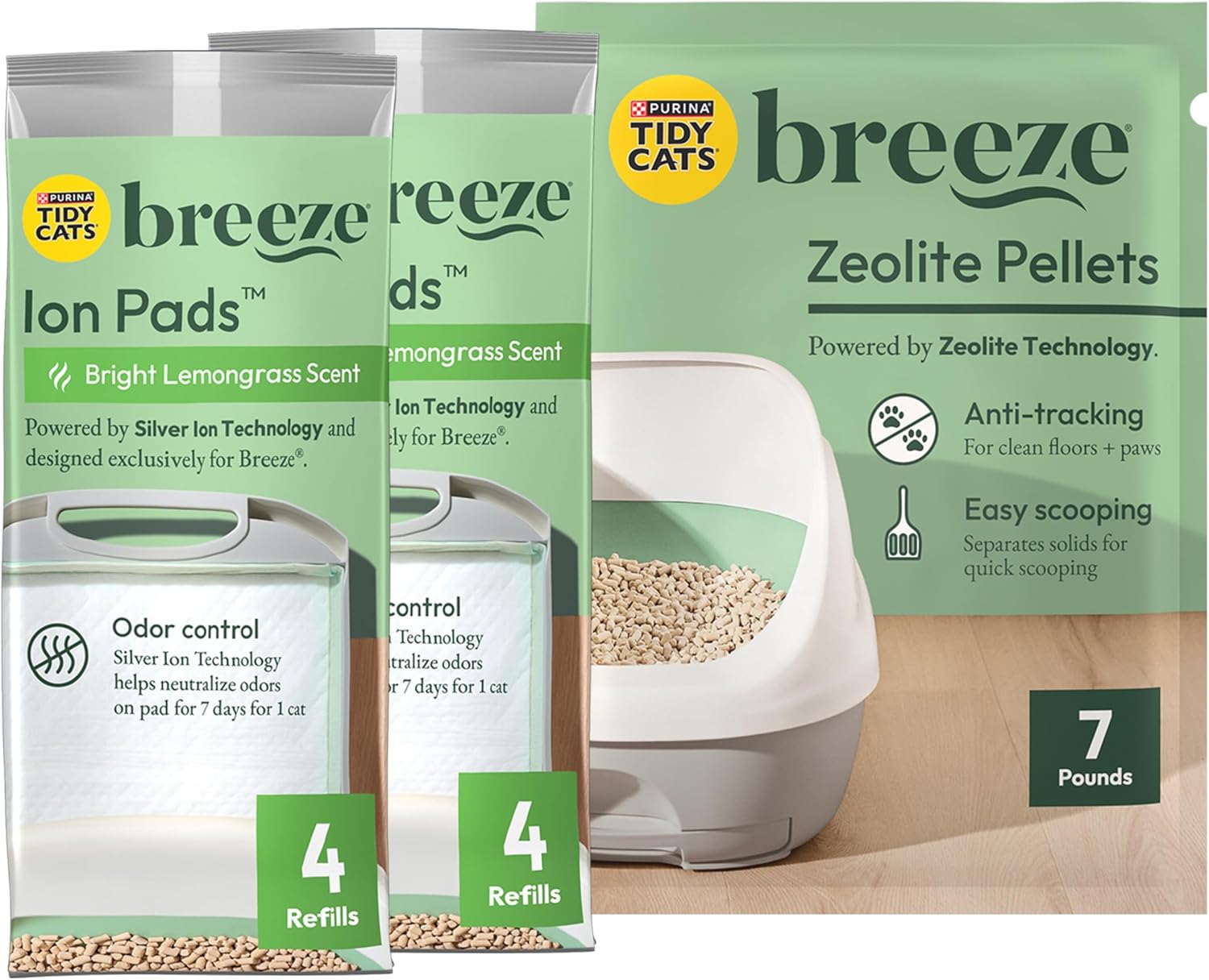
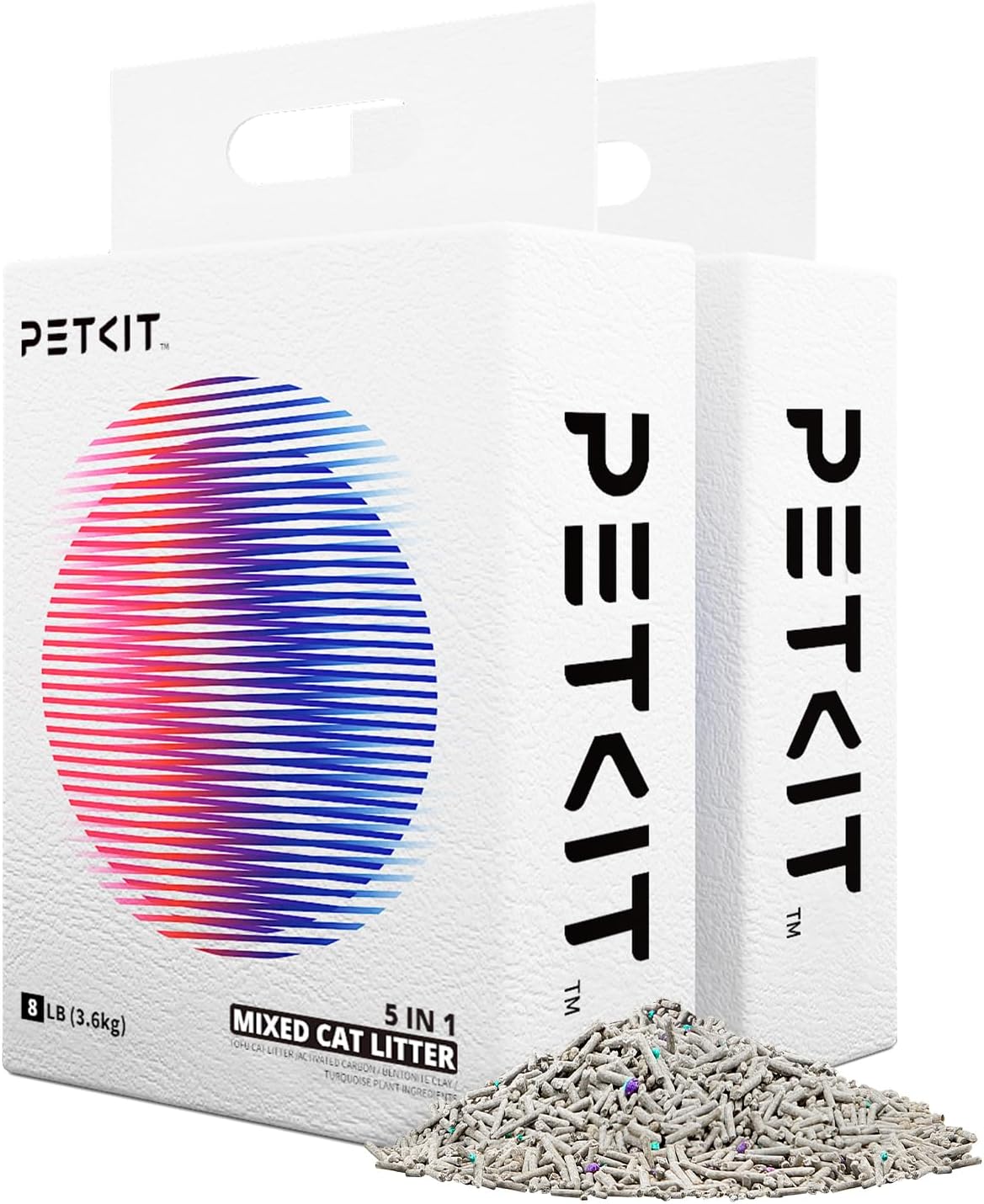
Clumping litters (clay or plant-based) are easiest to maintain — scoop daily and top up. Non-clumping litters absorb moisture but need full tray changes weekly. Eco-friendly options (corn, wood, tofu, grass) are biodegradable and often flushable. Silica crystal litters last longest but cost more upfront. For odour control, look for activated carbon. For low tracking, choose larger pellet sizes. Multi-cat homes need faster-clumping, stronger-odour-control formulas.
What makes a good litter?
A good litter does five things: clumps fast and firmly so you can scoop cleanly, controls ammonia smell for at least a week between full changes, stays low-dust when poured, doesn't stick to paws, and — most importantly — your cat is happy to use it. Unscented, fine-to-medium granules are what most cats prefer. If you're switching, mix the new litter into the old over 7–10 days rather than changing overnight.
For cats that also use a cat flap, see our guide to the [best cat litter for cats with a cat flap](/blog/best-cat-litter-for-cats-with-a-cat-flap), and pair your litter with the right [cat litter box](/blog/best-cat-litter-tray-uk).
Clumping vs non-clumping — which should you buy?
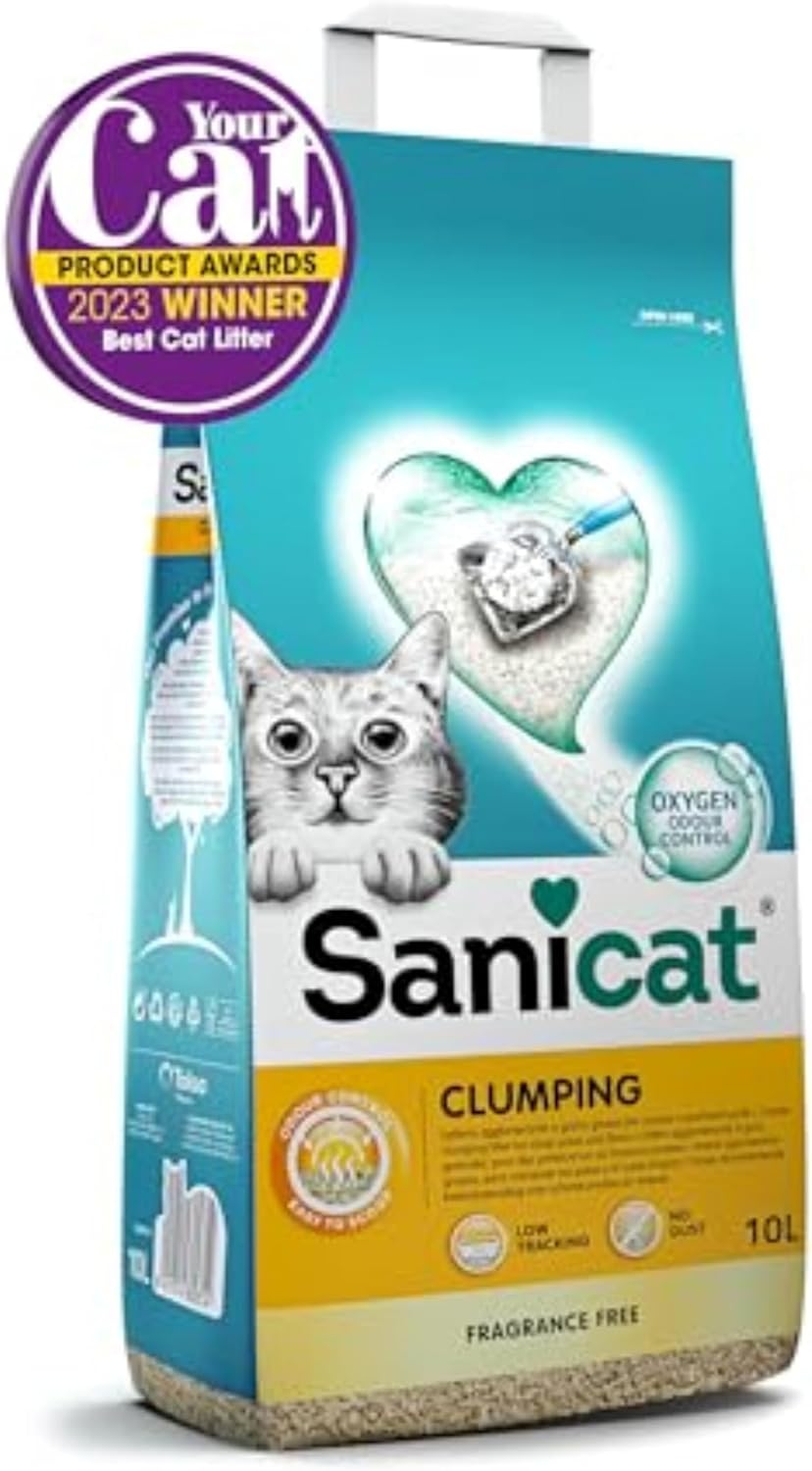
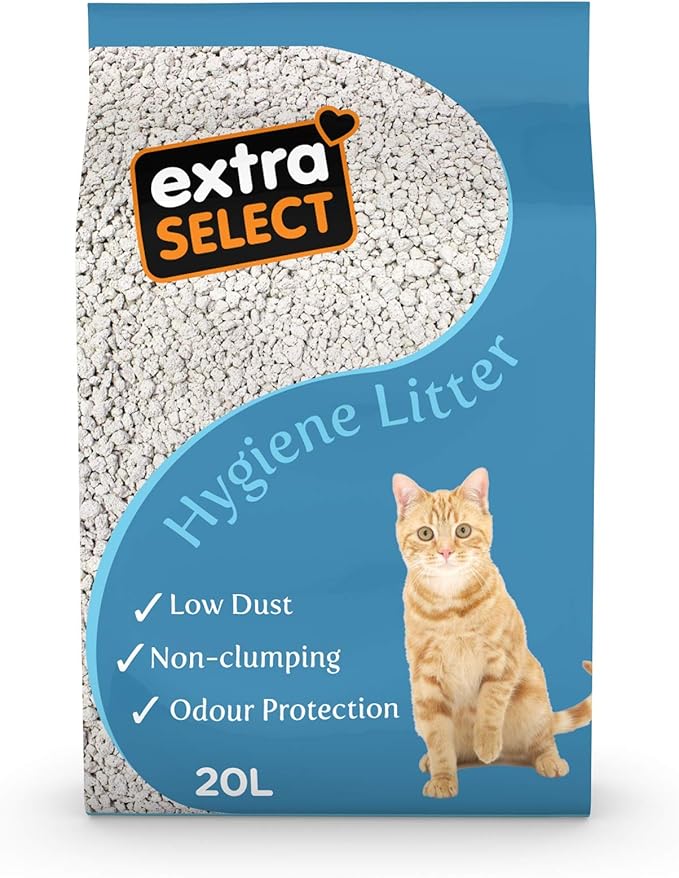
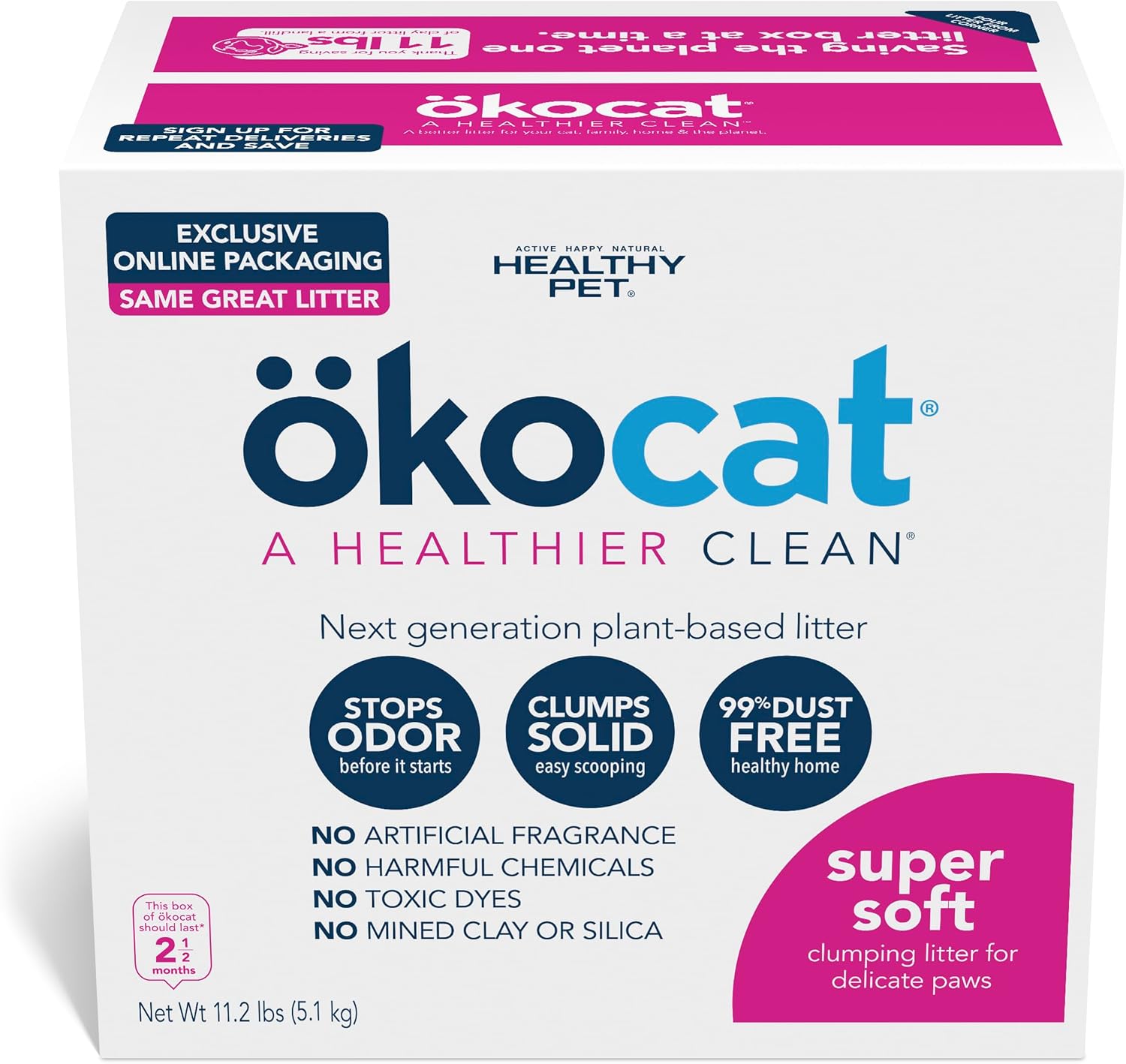
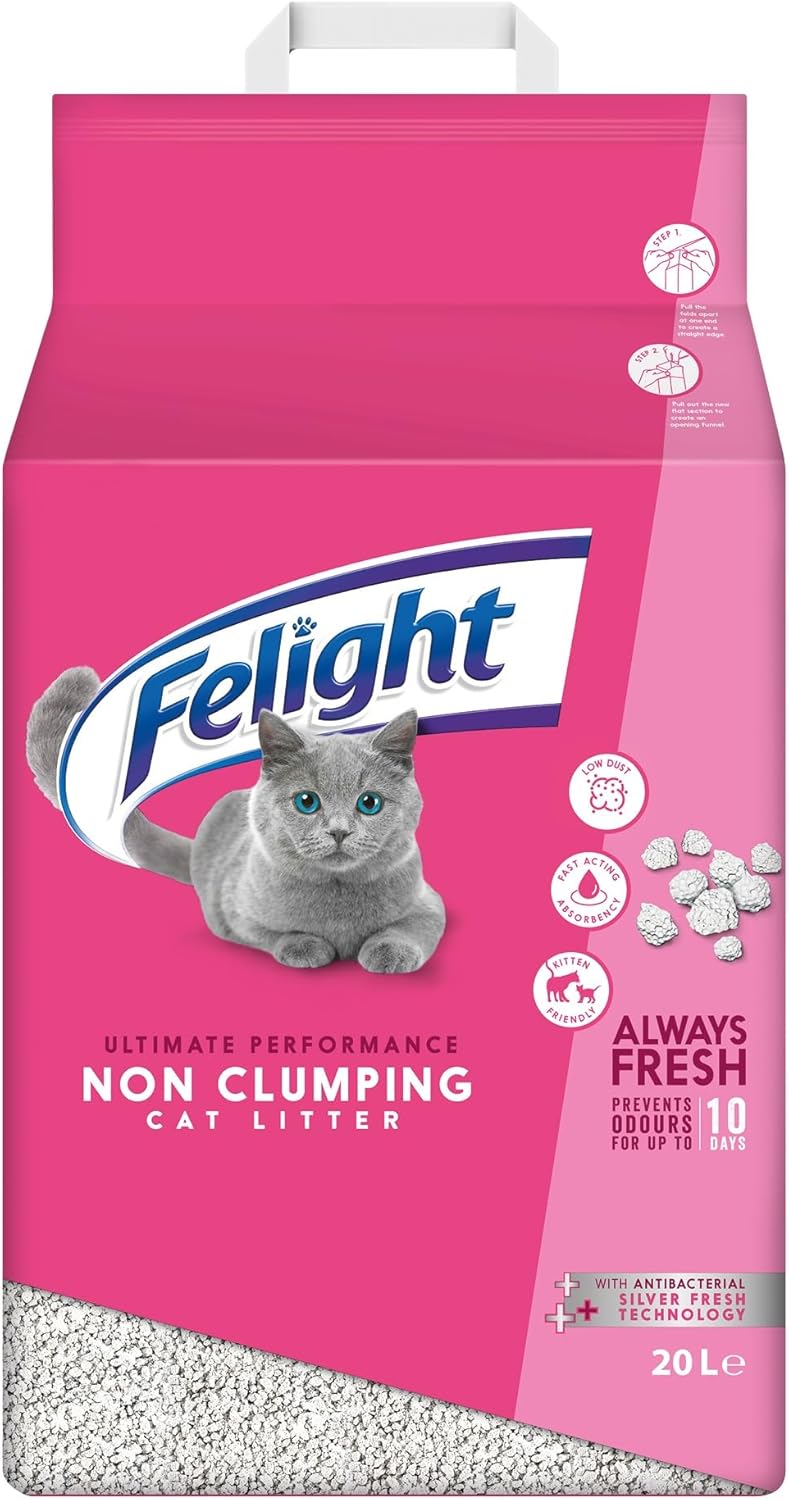
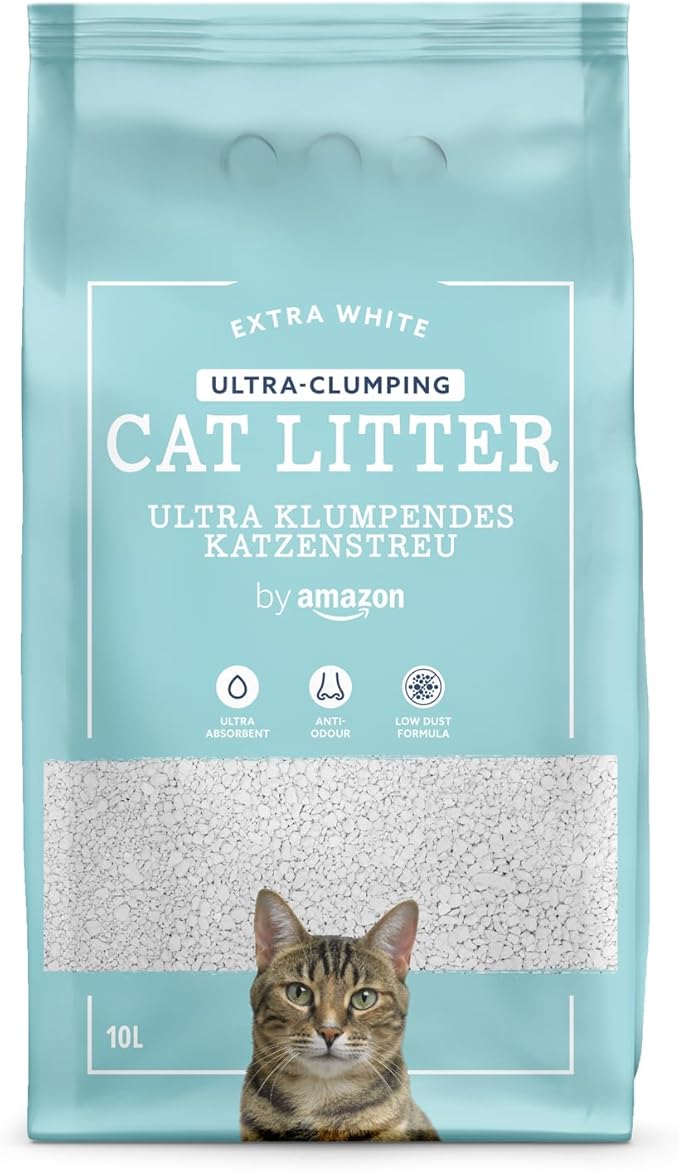
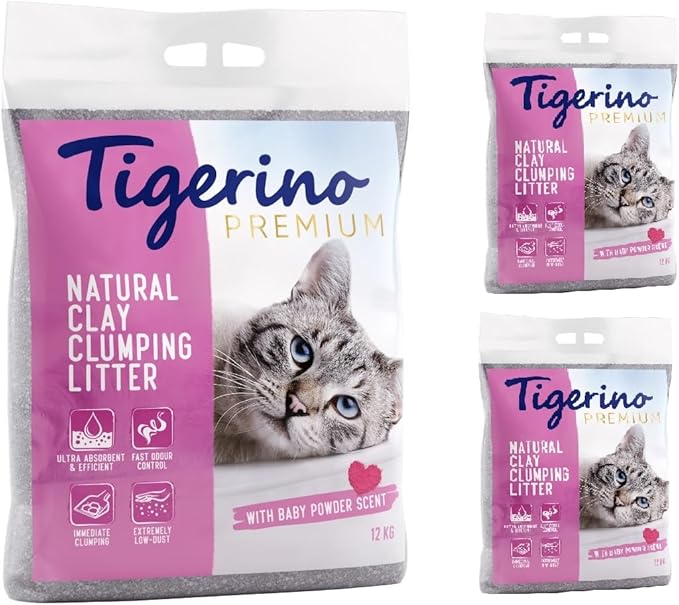
Clumping litter (bentonite clay, corn, tofu or wood) locks urine into a solid ball you scoop out daily, so the rest of the tray stays usable for weeks. Non-clumping litter absorbs moisture instead, costs less per bag, but needs a full change every week and usually smells sooner. For most UK homes with one or two cats, a fast-clumping litter is cheaper over a month because you throw away far less.
Best low-dust litters for cats and owners with sensitive airways
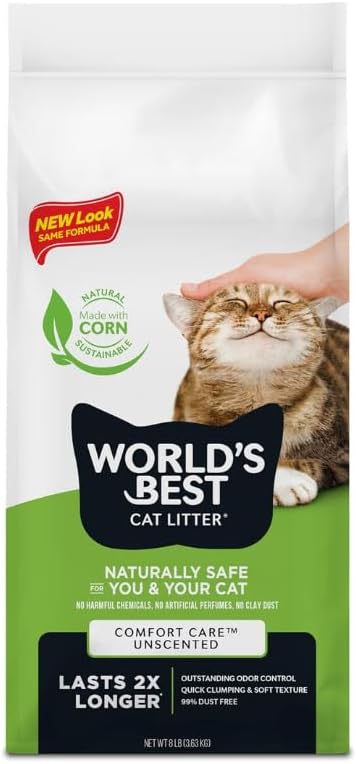
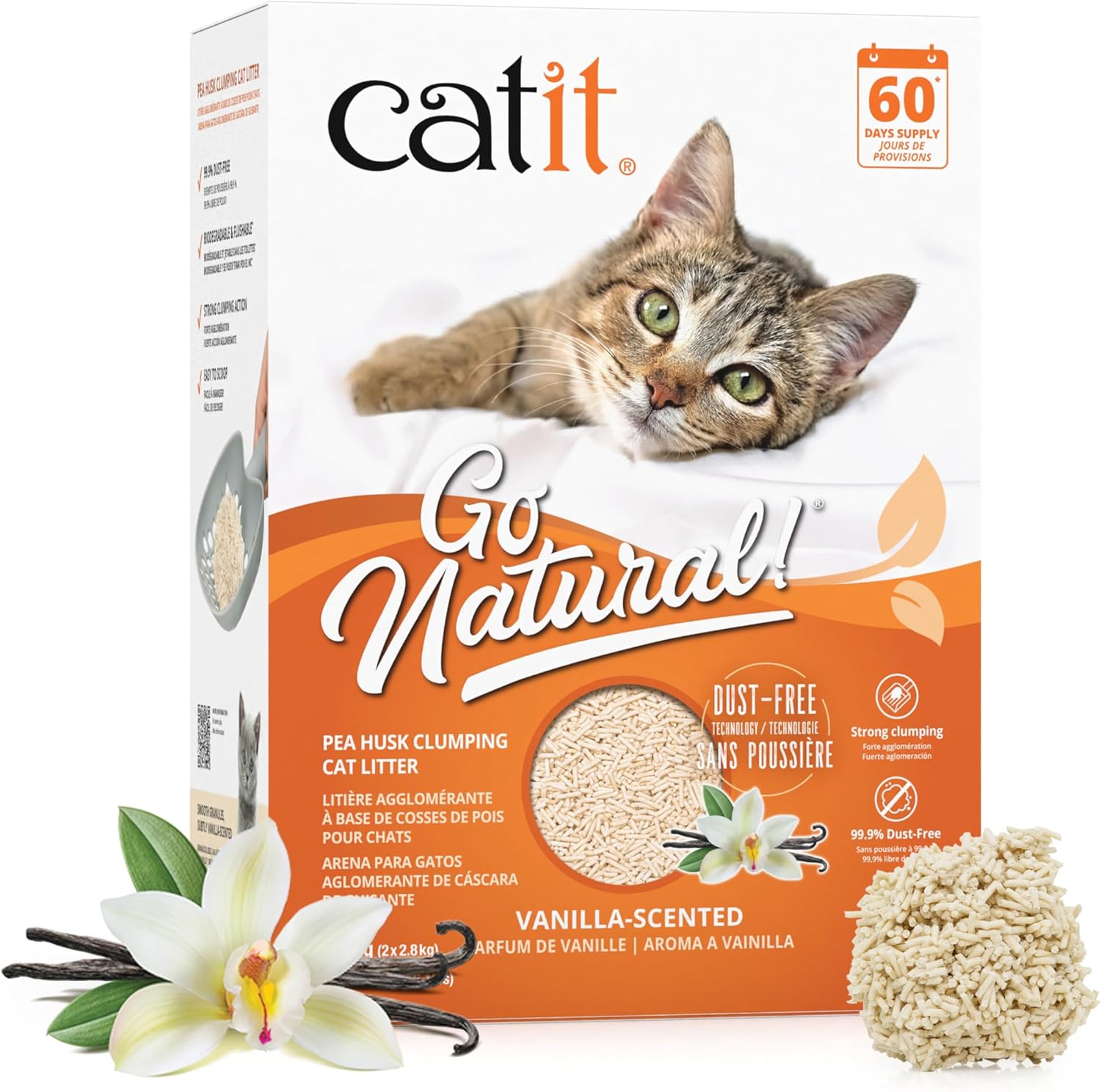
Fine clay litters create the most airborne dust. If you or your cat sneeze at pouring time, choose a wood pellet, tofu or paper litter, or a clay litter specifically labelled 99% dust-free. Pour slowly from a low height, and use a covered tray with a filter if dust still bothers you. Dust-free does not mean odour-free — check for activated carbon too.
Low-tracking litter — stop the trail across your floor
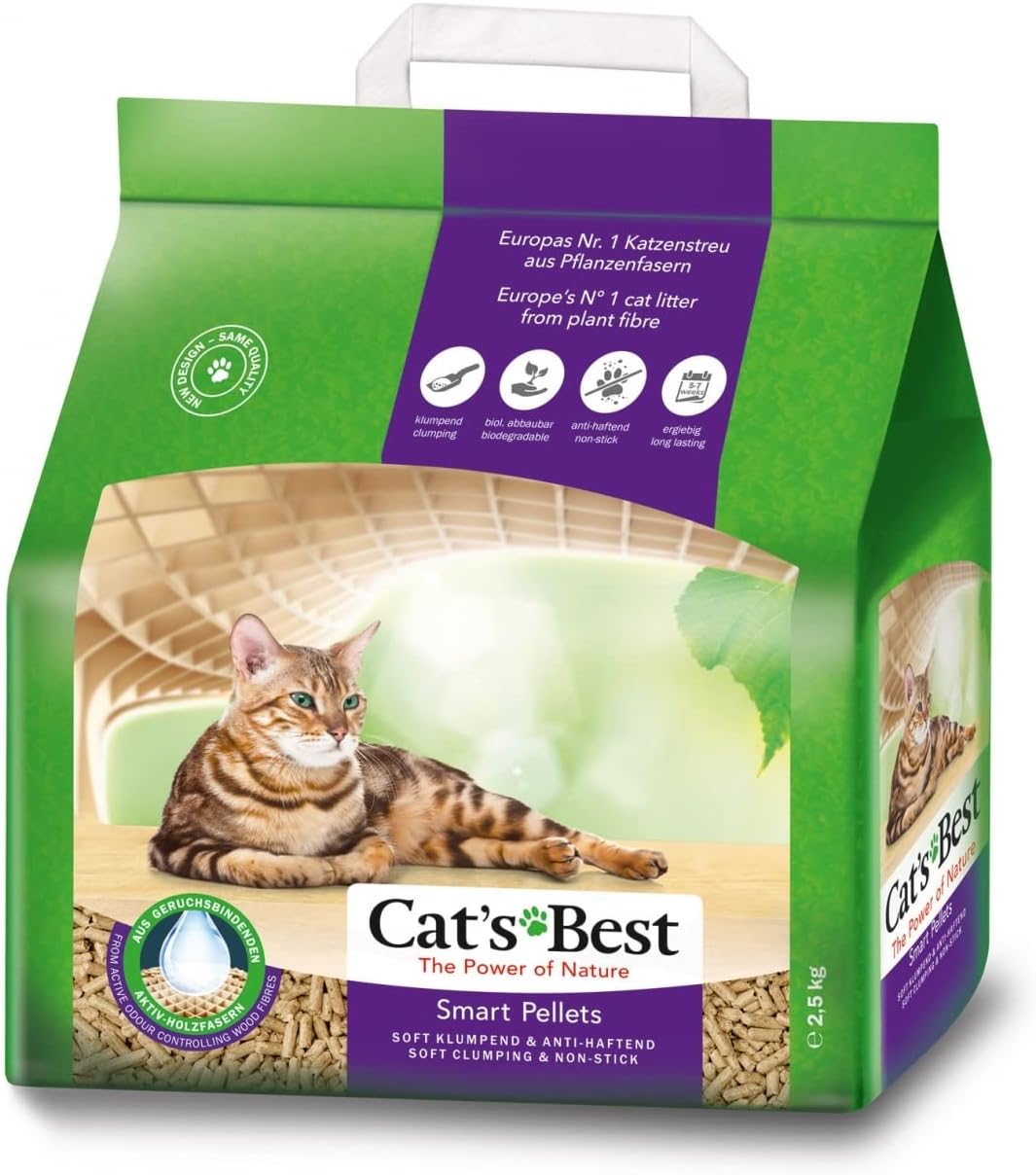
Tracking is mostly about granule size and shape. Larger pellets (wood, tofu, silica crystals) stay in the tray; fine clay sticks to paws and travels. A high-sided or top-entry tray plus a ridged mat outside the tray removes most of what does escape. Long-haired cats track more, so trimming the fur between the toes helps as much as changing litter.
Best litter for kittens
Kittens taste and dig at everything, so avoid clumping clay and silica crystals until around four months old — swallowed clumping litter can cause blockages. Non-clumping paper or a soft wood-based litter is the safe starting point. Keep the layer shallow (about 3cm), use a low-sided tray they can climb into, and switch to your long-term litter gradually once they are older.
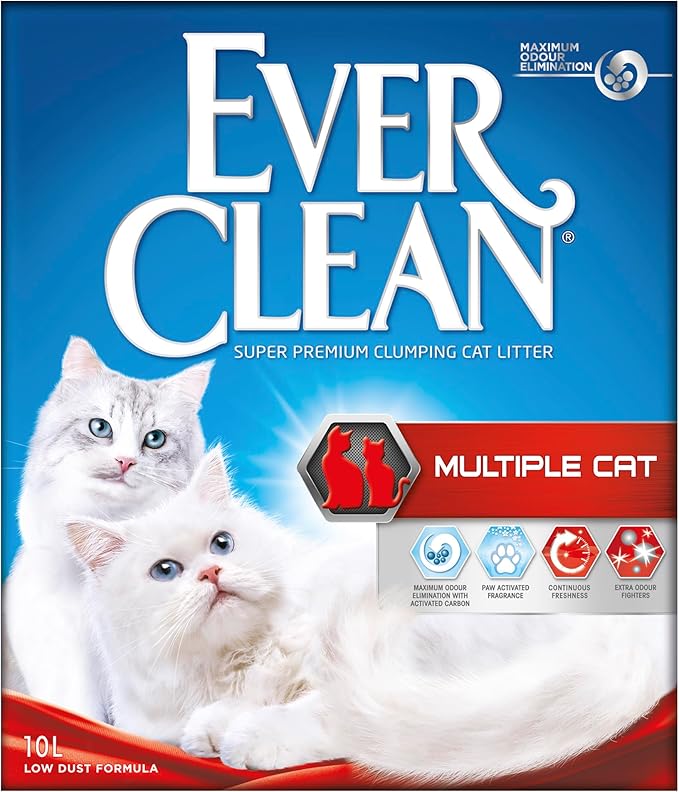
Litter for multi-cat homes
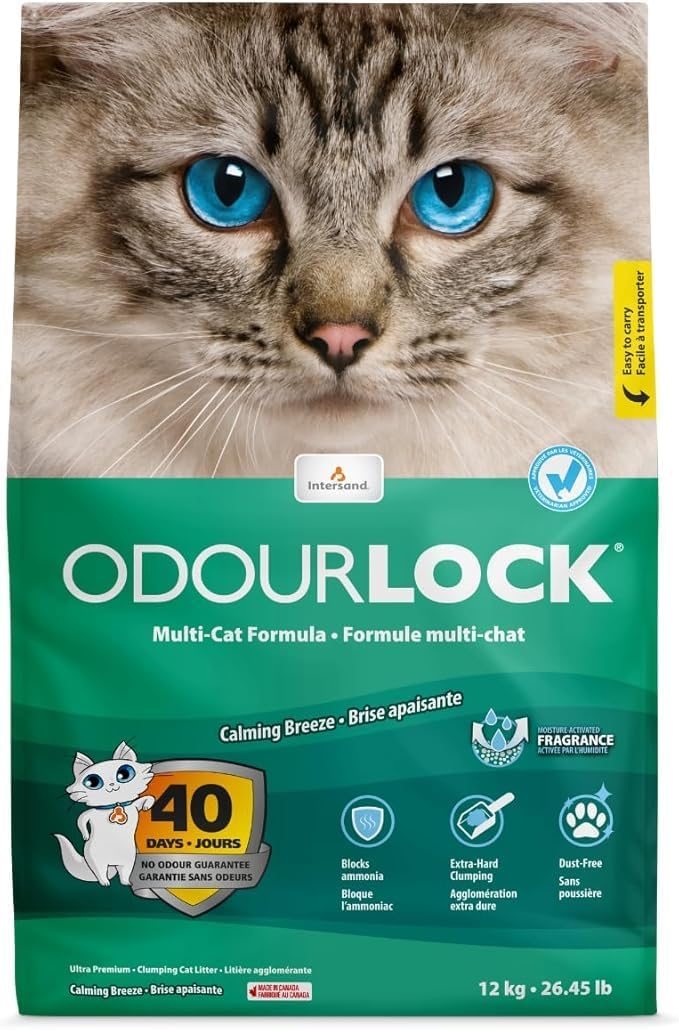
The rule is one tray per cat plus one spare, placed in different rooms rather than side by side. Multi-cat formulas clump harder and carry more odour control because the tray is used far more often. Unscented is usually better tolerated — heavy perfume is one of the most common reasons a cat starts going elsewhere.
Eco-friendly and flushable options
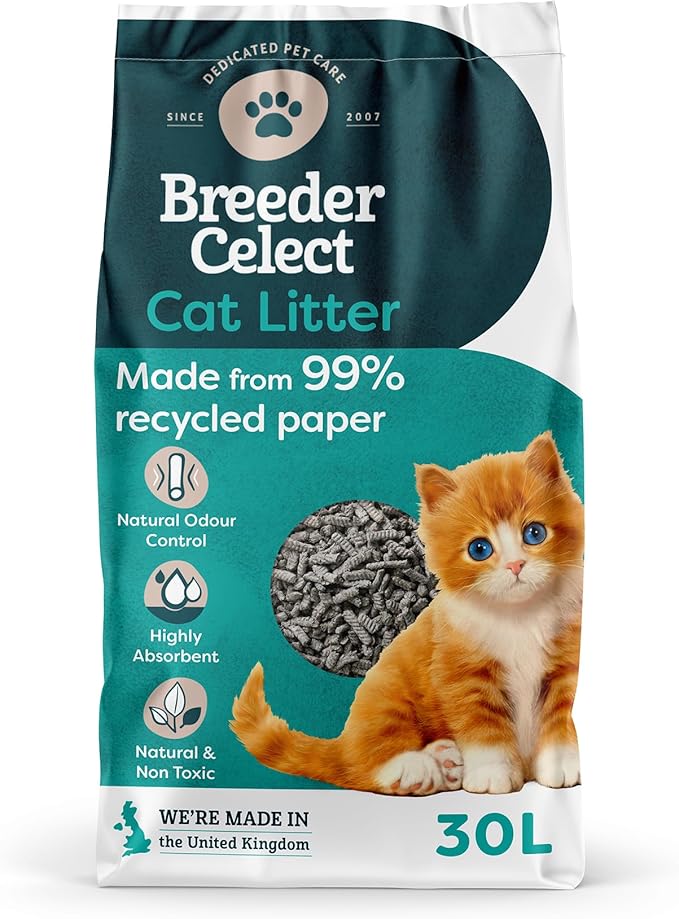
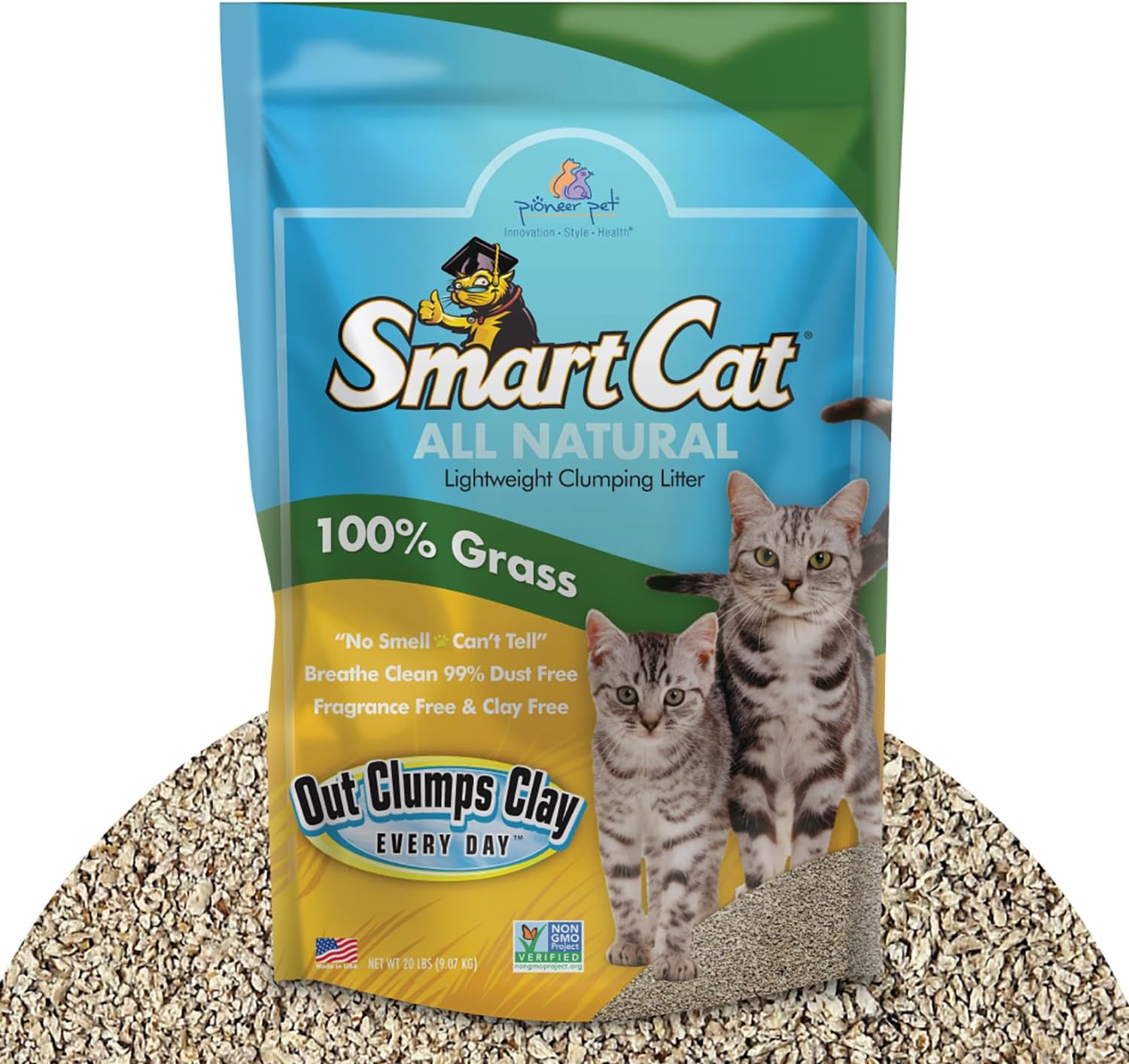
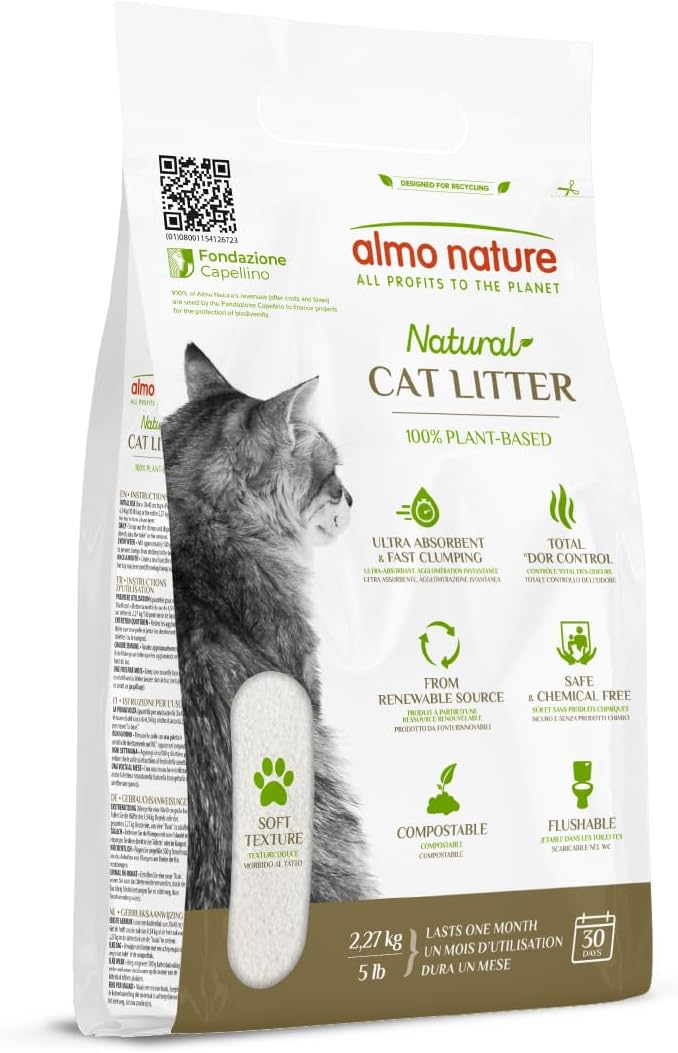
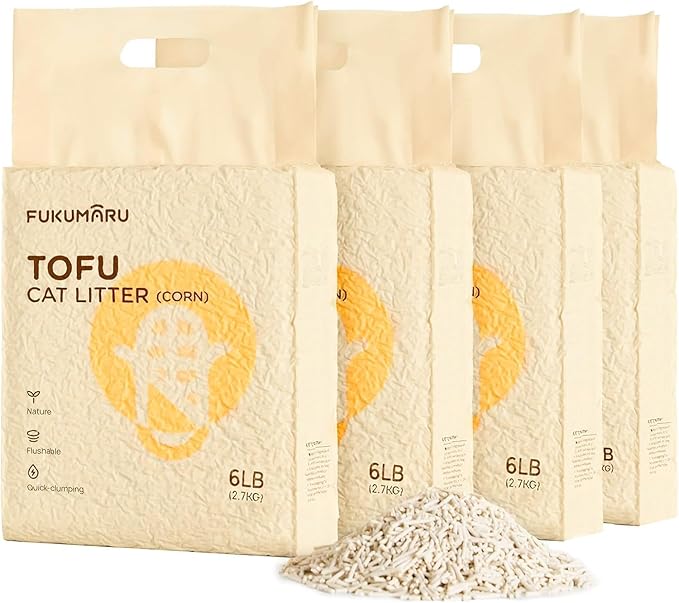
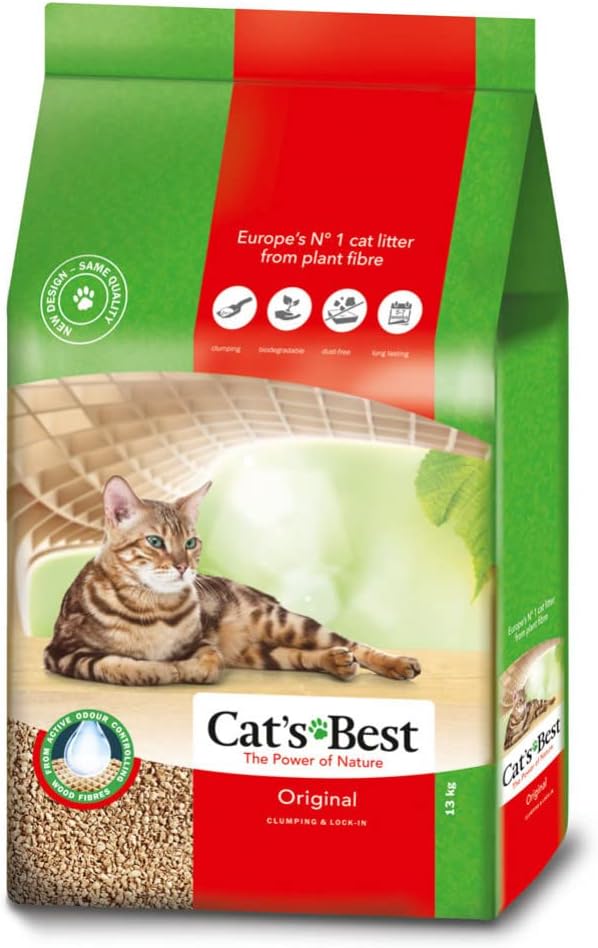
Wood, corn, tofu, grass and paper litters are biodegradable, and several are compostable for non-edible garden use. Only flush litter that is explicitly labelled flushable, and check with your water company first — many UK areas advise against flushing any cat litter because of the toxoplasma risk. Clay and silica should always go in the bin.
Litter trays and cat flaps
Cats with outdoor access still need an indoor tray for bad weather, illness and the first weeks after a cat flap is fitted. Keep the tray away from the flap and the food bowls, in a quiet spot where the cat cannot be surprised. Once your cat is confident using the flap, most owners keep a single tray as a backup rather than removing it altogether.