Best Cat Litter Box & Litter Tray UK 2026: Sizes, Types and What Cats Actually Prefer
Quick Answer: The Rules That Solve Most Tray Problems
• Size: at least 1.5× your cat's body length (nose to base of tail). Most shop-bought trays are too small.
• Number: one tray per cat, plus one. Two cats = three trays.
• Depth of litter: 5–7 cm. Less and cats can't dig; more and it tips over the sides.
• Type: start open. Add a hood only if your cat kicks litter everywhere or wants privacy.
• Location: quiet, away from food, water and the washing machine, with an escape route — never a dead-end corner.
• Cleaning: scoop daily, full change weekly for clumping litter.
Cat Litter Box or Litter Tray — Is There a Difference?
No. "Cat litter box" is the American term and "litter tray" the traditional British one, but they mean the same thing — and UK shops now use both. A shallow open design is usually called a tray; an enclosed, hooded or top-entry design is more often sold as a litter box. Everything in this guide applies to both.
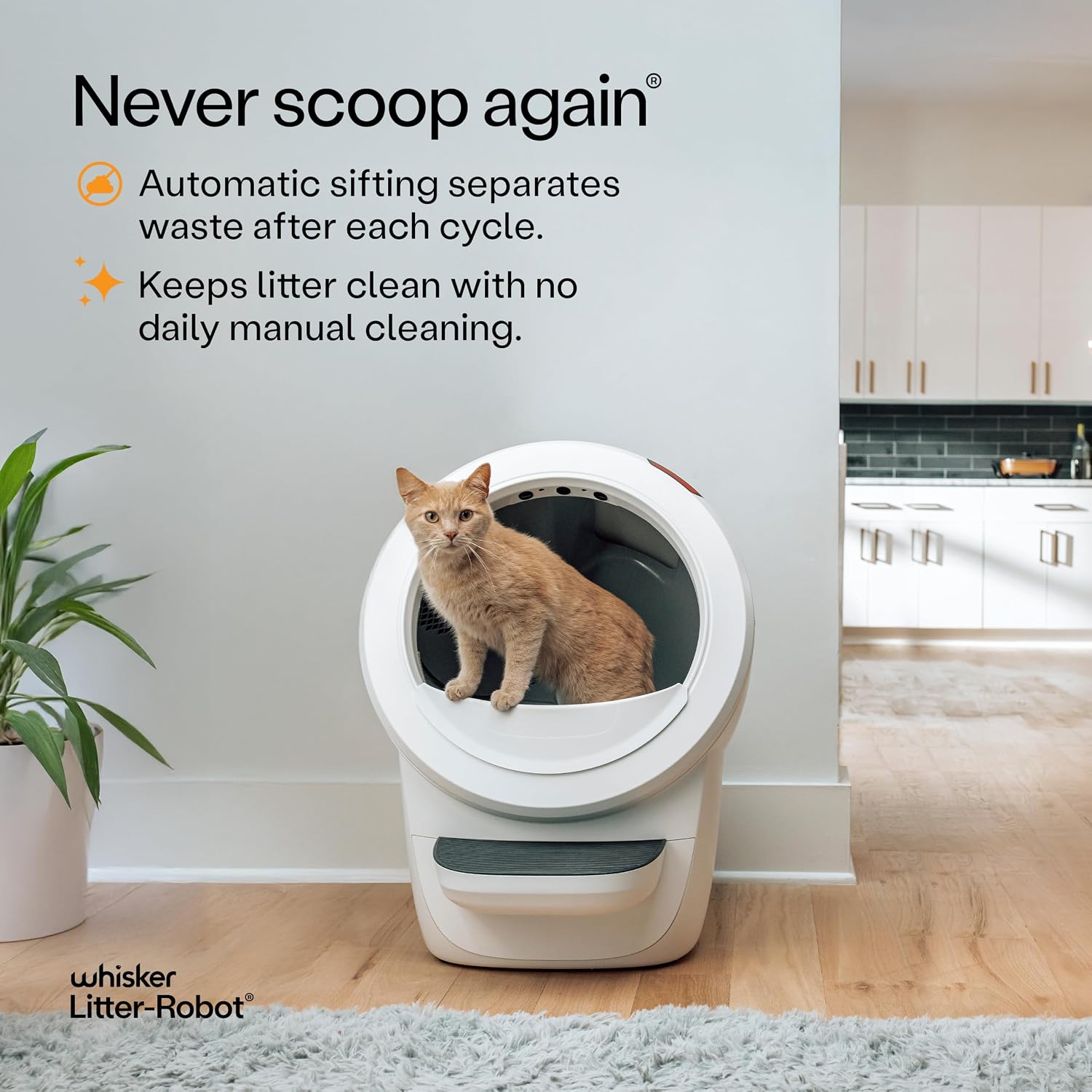
Which cat litter box is best for most UK homes? A large open box at least 1.5× your cat's length. Choose a hooded litter box if litter scatter or privacy is the problem, a top-entry litter box if a dog raids the tray, and a self-cleaning litter box only for a confident single cat — see our best automatic litter box UK guide.
Tray Types Compared
| Type | Typical UK price | Pros | Cons | Best for |
|---|---|---|---|---|
| Open tray | £8–£20 | Cheap, cats prefer it, easy to scoop | Litter scatter, odour visible | Most cats, kittens, seniors |
| Hooded | £20–£40 | Contains mess and smell, privacy | Traps odour inside, some cats refuse | Nervous cats, enthusiastic diggers |
| Top-entry | £25–£45 | Almost no tracking, dog-proof | Hard for seniors and arthritic cats | Agile adults, dog households |
| High-sided | £15–£30 | Stops over-the-edge spraying | Awkward step for kittens | Standing urinators |
| Self-cleaning | £150–£500 | Hands-off, odour control | Expensive, noisy, needs specific litter | Busy owners, single cat |
| Disposable | £5–£10 | Travel, illness, quarantine | Not durable | Holidays and vet recovery |
Getting the Size Right (The Number One Fix)
Most UK litter trays sold in supermarkets are sized for a kitten, not an adult cat. If your cat hangs over the edge, perches on the rim, or eliminates just outside the tray, size is the first thing to correct.
| Cat length (nose to tail base) | Minimum tray length |
|---|---|
| 35 cm | 53 cm |
| 40 cm | 60 cm |
| 45 cm | 68 cm |
| 50 cm (Maine Coon type) | 75 cm+ |
If nothing on the shelf is big enough, a cement mixing tray or under-bed storage box from a DIY shop makes an excellent, cheap, oversized litter tray — a trick used by shelters and breeders.
Choosing Litter to Match the Tray
| Litter | Clumps? | Tracking | Odour control | Notes |
|---|---|---|---|---|
| Clumping clay | Yes | Medium–high | Excellent | The default choice; scoop daily |
| Wood pellets | Breaks down | Low | Good | Economical, needs a sifting tray |
| Corn / tofu | Yes | Low | Good | Lightweight, flushable in small amounts |
| Silica crystals | No | Low | Very good | Absorbs urine; some cats dislike the texture |
| Paper / recycled | No | Very low | Fair | Best post-surgery and for kittens |
Browse checked options on our cat litter picks page — clumping, wood, corn, crystal and low-dust types with working Amazon links.
Where to Put the Tray
Cats will not toilet next to where they eat or drink. Keep the tray several metres from food bowls and any water fountain.
Other placement rules:
• Avoid noisy appliances — a boiler firing up mid-use puts a cat off the tray for weeks.
• In multi-storey homes, put a tray on each floor for senior cats.
• Never place a tray where another cat can trap the user in a corner.
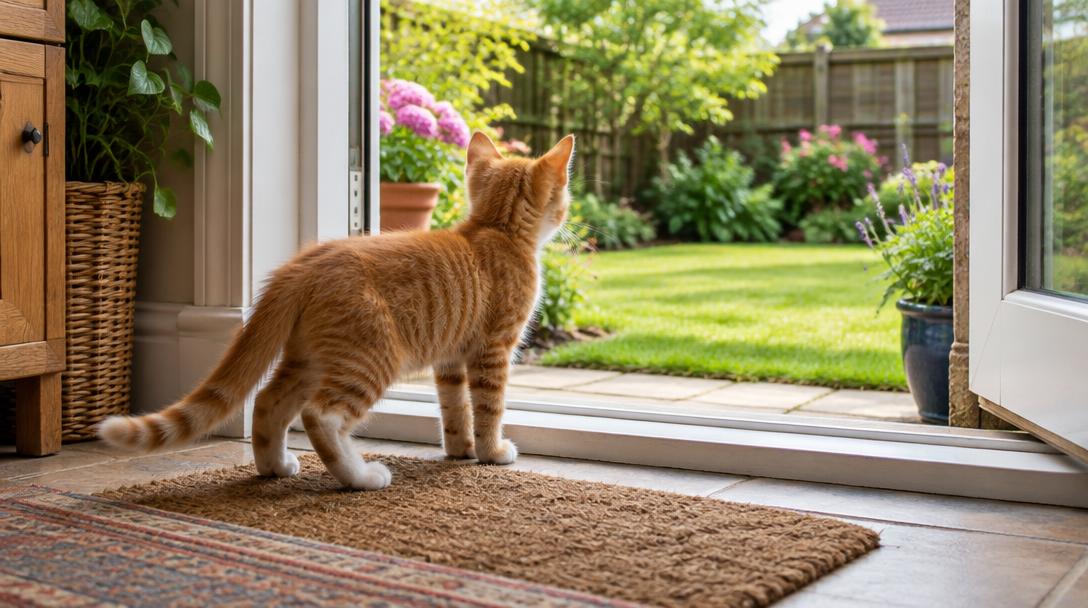
• Keep the tray away from the cat flap; cats that feel watched while toileting stop using the tray. If a nervous cat is avoiding the flap too, our cat flap installation guide covers positioning and training.
Do You Still Need a Tray If Your Cat Goes Outside?
Yes. Even confident outdoor cats need an indoor tray for bad weather, illness, vet recovery, lockdown after a house move and old age. Cats that lose tray habits as kittens are much harder to retrain later.
A cat flap plus one indoor tray is the setup most UK owners settle on. We install flaps into uPVC doors, glass panels, wooden doors and bi-fold doors — get a quote.
Shop Litter and Tray Essentials
Every product on our picks pages has a checked, working Amazon link:
• Cat litter
• Cat beds
• Cat food and cat toys
• All That Cat Picks categories
As an Amazon Associate we earn from qualifying purchases at no extra cost to you.