Cat Flap vs Catio vs Window Perch: Which Is Right for Your Cat?
The Three Options at a Glance
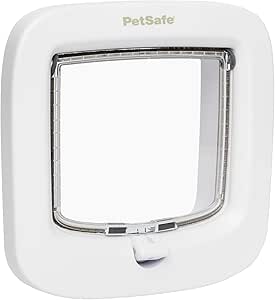
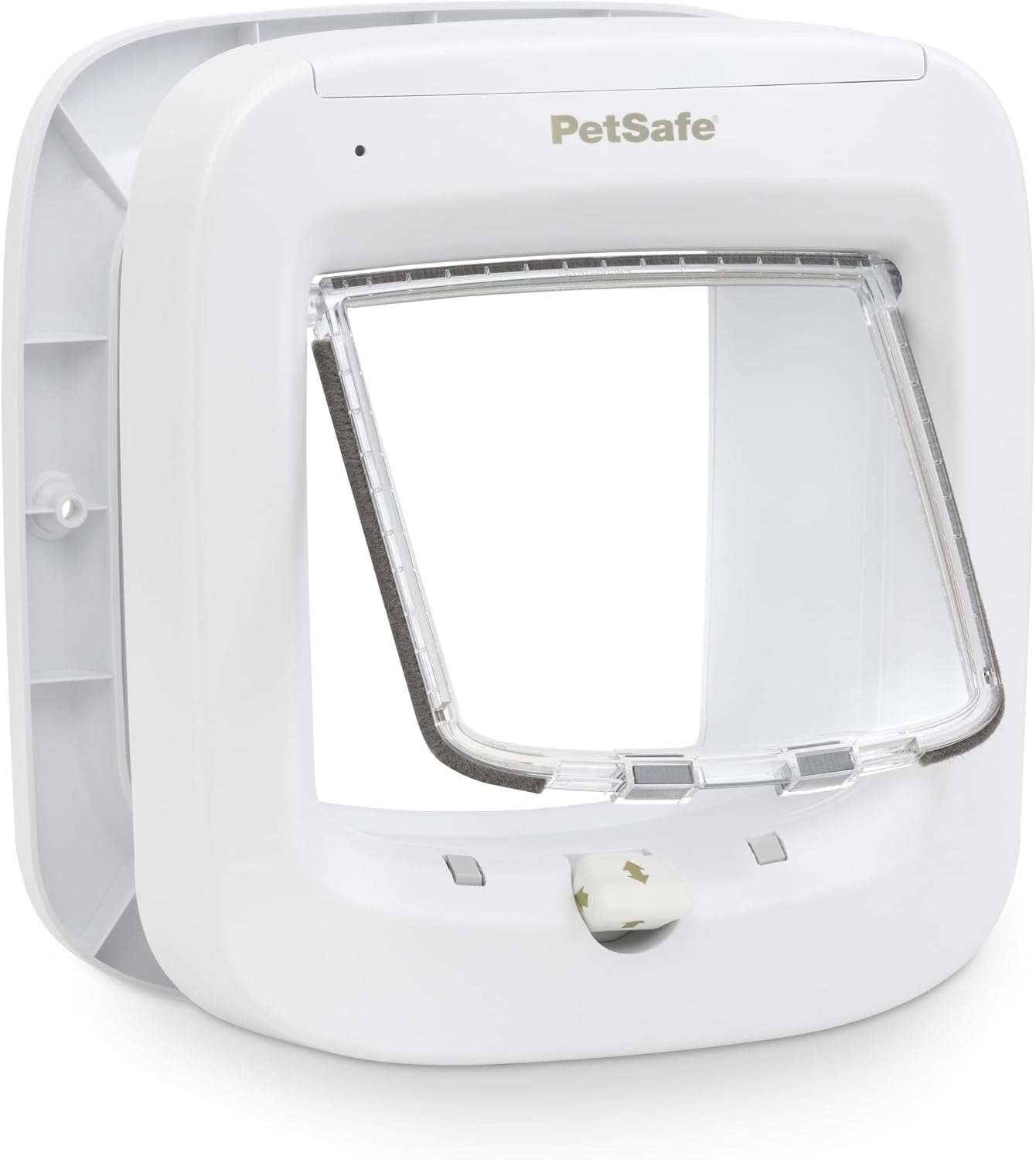
Cat flap — a small door fitted into your external door, wall or window that lets your cat come and go freely. Best for free-roaming, low cost, quickest to install.
Catio — an enclosed outdoor structure (usually mesh-and-timber) attached to your house that lets your cat access fresh air, weather and grass without leaving the property. Best for high-risk areas or cats that shouldn't roam.
Window perch — an internal or external shelf mounted at a window that lets an indoor cat sunbathe, watch birds and get fresh air through an open sash. Best for flats, high-rise or cats medically unable to go outside.
The three aren't mutually exclusive — plenty of UK homes combine a cat flap with a catio, or a window perch with restricted garden access.
Cost Comparison (UK 2026)
Cat flap installation:
• Into uPVC or composite door: from £60 fitted (flap supplied by you)
• Into a glass door: from £280 fitted including new toughened glass unit
• See our cost calculator for a personalised estimate
Catio:
• DIY small (2 × 1 m lean-to): £300–£600 materials
• Professional small: £1,200–£2,500
• Full walk-in (3 × 3 m): £3,000–£8,000+
• Planning consent may be required — see planning section below
Window perch:
• Internal cushioned perch: £30–£80 (Amazon, off the shelf)
• Suction-cup outdoor perch: £40–£120
• Fitted balcony catio for a flat: £800–£2,500
A cat flap is 5–100× cheaper than a comparable catio and doesn't need planning permission.
Safety and Welfare
Cat flap (free-roaming): highest welfare in a low-risk environment — cats get natural exercise, hunting outlet and territory. Risk: traffic, other cats, disease exposure, and prey brought home. Cats Protection recommends free-roaming for cats in quiet residential areas but not near busy roads.
Catio: highest safety, moderate welfare. Cat gets weather, grass and stimulation with zero traffic or fight risk. Some cats (especially former strays) find enclosure frustrating; most adapt within a few weeks. Ideal for FIV-positive cats, elderly cats or households near main roads.
Window perch: lowest outdoor exposure but genuine enrichment for indoor cats. Watching birds and feeling breeze significantly reduces indoor-cat boredom behaviours. Not a substitute for outdoor access if the cat genuinely wants it, but excellent for cats that don't (or can't).
RSPCA position: any of the three is acceptable *if matched to the individual cat*. Free-roaming isn't automatically "best" — high-anxiety cats often thrive with a catio and no flap.
Planning Permission and Building Rules
Cat flap: no planning permission required in any circumstance for a homeowner. Fits under permitted development for repairs and alterations. Listed buildings and conservation areas may need listed building consent for the door alteration itself — check with your council.
Catio: classed as an outbuilding. Under permitted development, you can build a catio without planning permission if:
• It's less than 2.5 m high (or 4 m with dual-pitched roof)
• It covers less than 50% of the garden
• It's not in front of the house
• The property isn't listed
Over those limits, or in a conservation area, planning permission is required.
Window perch (internal): no permission needed. External balcony catio for a flat: almost always requires freeholder consent and often planning permission for external mesh fixtures.
Which Cats Suit Which Solution?
Cat flap suits:
• Confident, active cats aged 1–10
• Quiet residential areas, semi-rural, or garden-based housing
• Households where the cat is microchipped and neutered (essential)
• Owners happy to accept occasional prey and neighbourhood roaming
Catio suits:
• Kittens under 6 months (before free-roaming)
• Elderly, disabled or FIV-positive cats
• Households on busy roads or in flats
• Cats that hunt destructively (protects wildlife)
• Cats being introduced to a new area (3-month settling period)
Window perch suits:
• Pure indoor cats (medical reasons, high-rise flats, breed restrictions)
• Timid cats that show no interest in outdoors
• Rented properties where flap or catio isn't permitted
• Multi-cat households needing extra vertical territory
Can You Combine Them?
Yes, and many UK households do:
• Cat flap into a catio — the cat comes and goes freely from the house to a safe enclosed run. Best of both worlds if the garden isn't safe for free-roaming. This is what we fit most often for owners near main roads or with new rescue cats.
• Window perch + restricted garden time — the cat gets ambient stimulation indoors and supervised outdoor time. Common for older cats stepping down from free-roaming.
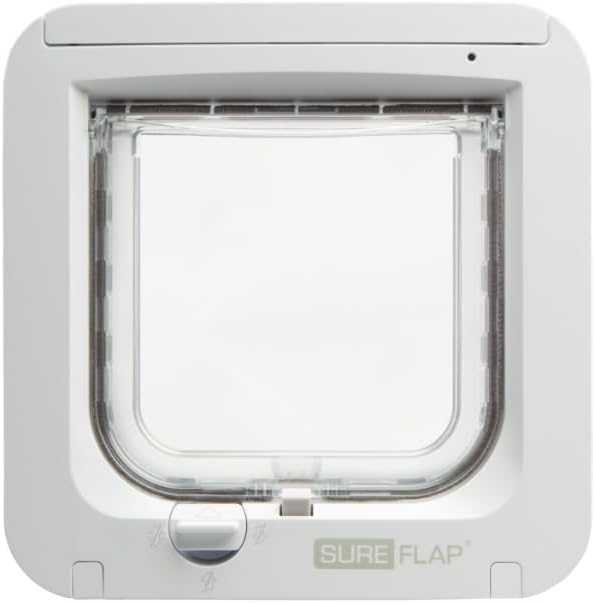
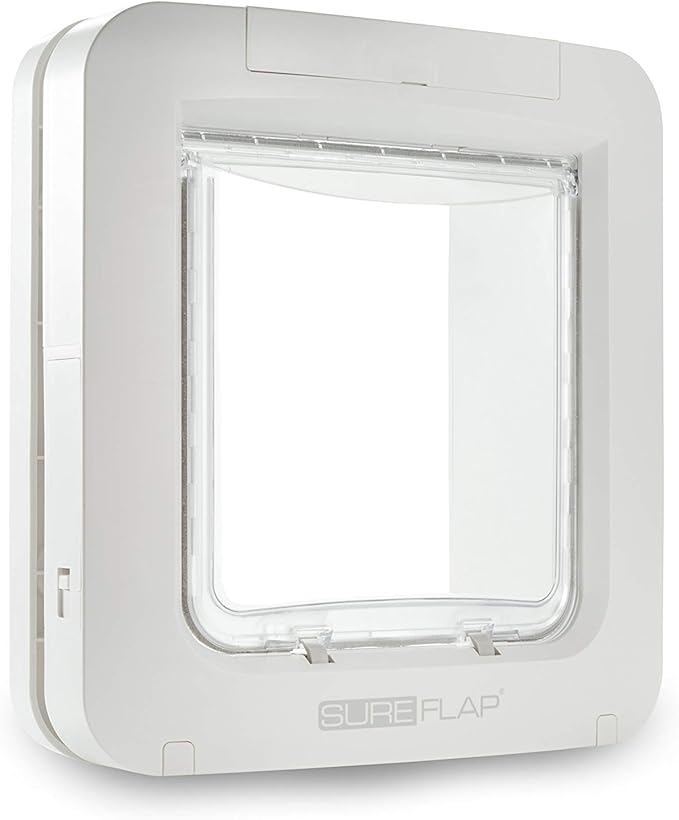
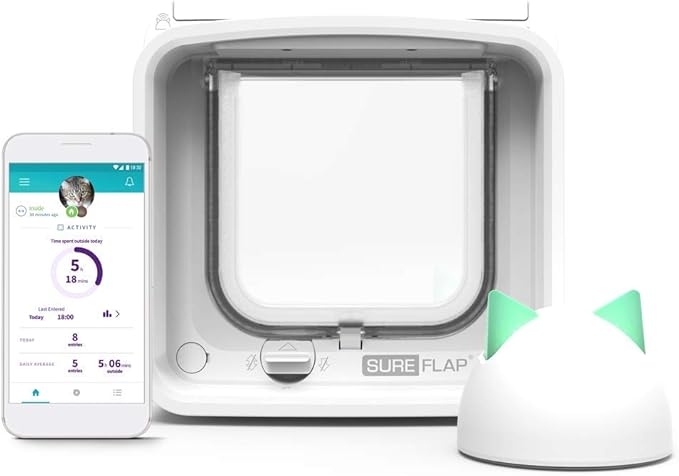
• Cat flap + microchip lock + curfew — free-roaming during the day, locked overnight. A SureFlap microchip flap or OnlyCat does this automatically.
See our best microchip cat flap 2026 guide for flap options that pair well with a catio door.
Our Recommendation
For most UK households in quiet residential areas, a microchip cat flap remains the highest-welfare, lowest-cost option — natural exercise, territory and outlet for hunting instinct, with neighbour-cat exclusion built in.
For households near main roads, in flats, with FIV-positive or elderly cats, a catio (often paired with a cat flap into the run) is the safer choice.
For pure indoor cats or cats that show no interest in outdoors, a window perch is meaningful enrichment for £30–£80.
We fit cat flaps, cat-flap-into-catio doors, and specialist installs across the North West, North Wales, Cheshire, Staffordshire and Yorkshire. Request a free quote or use our Will It Fit checker to see what's possible for your door.
Shop Microchip Cat Flaps on Amazon:
Manual Cat Flaps: