Best Cat Flap for Large Cats: Size Guide for Maine Coons, British Shorthairs & Ragdolls
The Short Answer
If your cat is large or bulky, a standard cat flap (142 mm opening) is probably too small. The solution is either a large cat flap (160+ mm) or a pet door (178 mm), depending on your cat's exact shoulder width and how gracefully they squeeze.
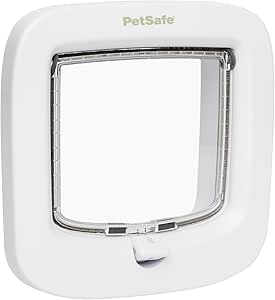
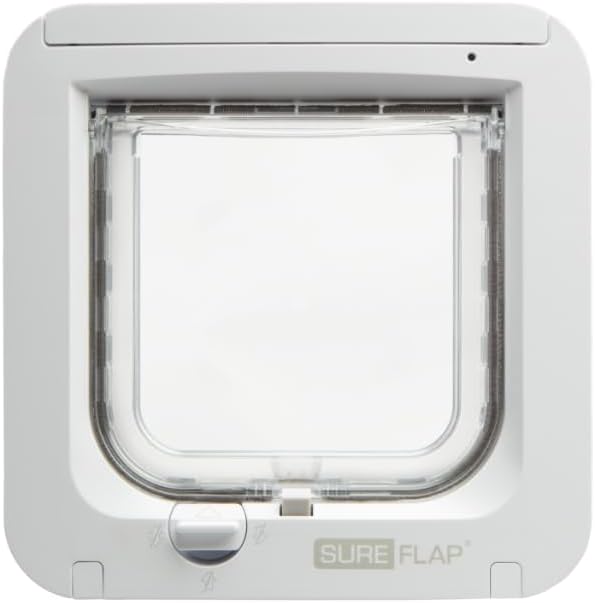
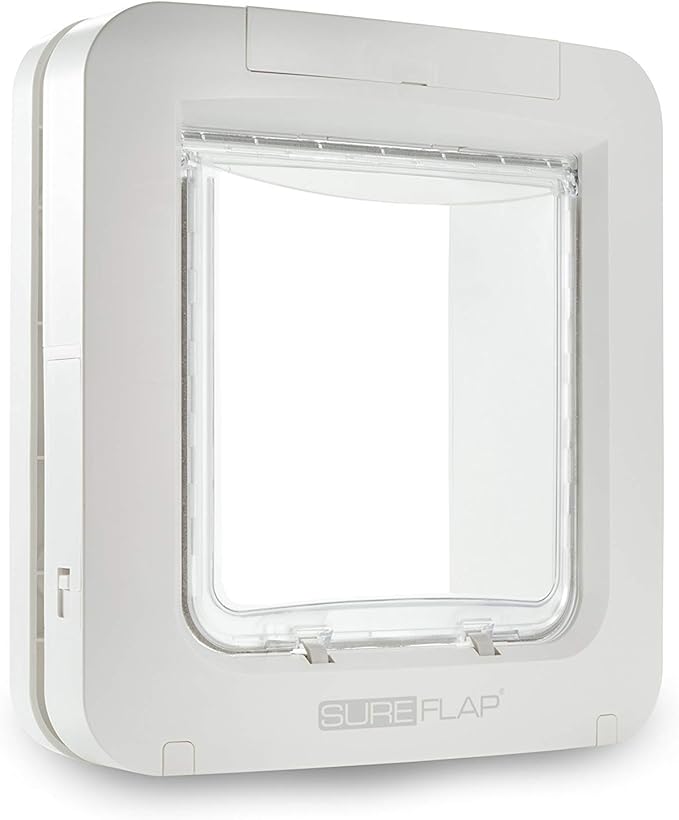
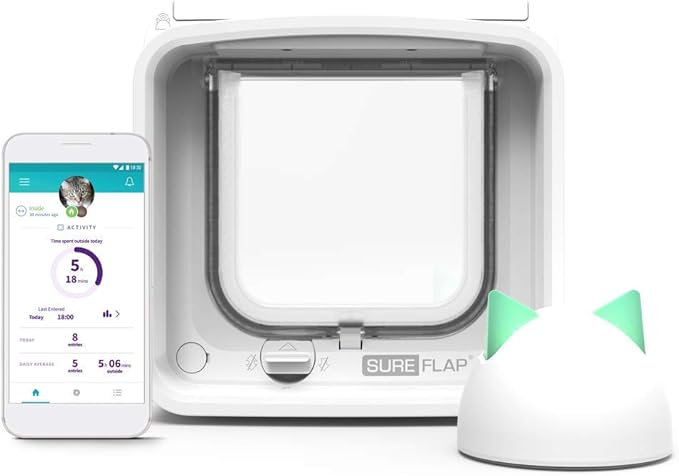
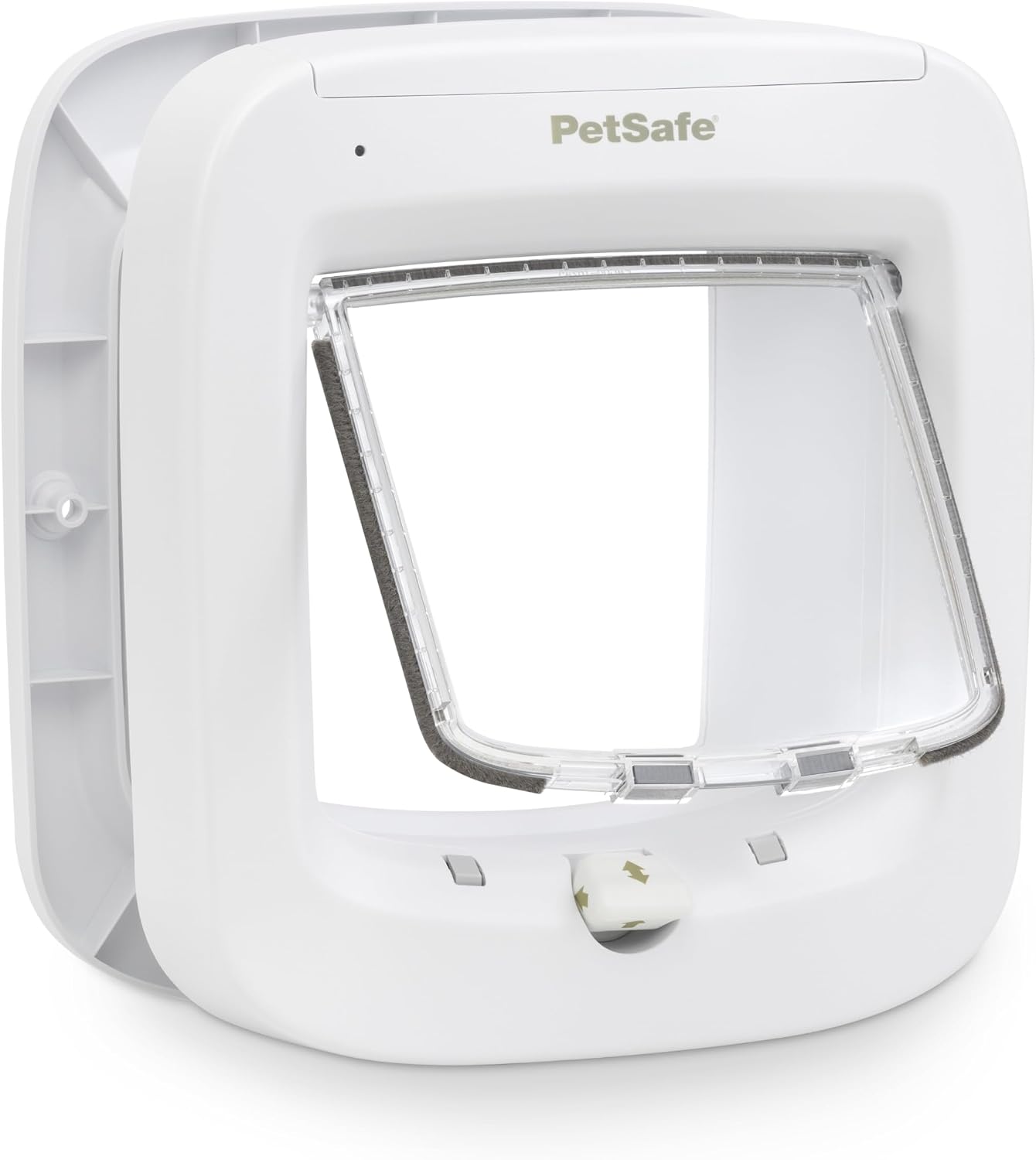
For very large breeds like Maine Coons, Norwegian Forest Cats and some Ragdolls, we usually recommend the SureFlap Microchip Pet Door — it has a 178 mm opening, microchip security, and a curfew timer. For chunky but not giant cats (large British Shorthairs, big domestic shorthairs), the SureFlap Microchip Cat Flap or PetSafe Microchip Cat Flap at 142–160 mm often works fine.
The key measurement is shoulder width, not weight. A 6 kg British Shorthair is often wider across the shoulders than an 8 kg Maine Coon who is long and lean. Measure your cat before you buy.
How to Measure Your Cat for a Cat Flap
You need one measurement: shoulder width.
How to measure: 1. Wait until your cat is standing normally (not stretching or crouching) 2. Measure across the widest part of their shoulders — from the outside of one shoulder to the outside of the other 3. Add 20–30 mm for comfort
Example:
• Cat shoulder width: 145 mm
• Add 25 mm for comfort
• Minimum flap opening needed: 170 mm
Don't guess by weight. Two cats can weigh the same but have very different body shapes. A stocky British Shorthair needs more width than a lanky Oriental.
Also measure:
• Height from floor to shoulder — this tells you where to position the flap on the door
• Belly clearance — large cats often have low-hanging bellies that drag if the flap is too low
If you're unsure, err on the side of bigger. A flap that's slightly too large is fine; one that's too small is frustrating for your cat every single day.
Flap Size Comparison: Standard vs Large vs Pet Door
Here's how the main categories compare:
| Model | Opening Width | Opening Height | Best For |
|---|---|---|---|
| Standard cat flap (SureFlap, PetSafe) | 142 mm | 150 mm | Average cats up to ~5 kg |
| Large cat flap (Pet-Tek) | 170 mm | 180 mm | Chunky cats, large shorthairs |
| Pet door (SureFlap Microchip Pet Door) | 178 mm | 207 mm | Maine Coons, Ragdolls, small dogs |
| Maxi pet door | 220 mm | 250 mm | Very large cats, small dogs |
Our recommendation by breed:
• Maine Coon: SureFlap Microchip Pet Door (178 mm) or larger
• British Shorthair: SureFlap Microchip Cat Flap (142 mm) if average size; Pet Door if chunky
• Ragdoll: Pet Door (178 mm) — they're long-bodied and need the height
• Norwegian Forest Cat: Pet Door (178 mm)
• Bengal: Standard or large flap (142–170 mm) — athletic but usually not bulky
• Persian: Standard or large (142–170 mm) — fluffy but compact
• Large domestic shorthair: Measure first; 142 mm may be tight if they're broad
Remember: the tunnel depth matters too. Thick composite or wooden doors need a deeper tunnel, and large cats need the full tunnel depth to pass through comfortably. We fit adapter sleeves on thick doors to ensure this.
Why Microchip Security Matters Even More for Large Cats
Large cats attract more attention from neighbourhood cats. A big, confident tom is often the one other cats try to follow inside — especially at night when he's coming home full of himself.
Microchip flaps solve this completely.
• SureFlap Microchip Pet Door reads your cat's chip on approach and locks for everyone else
• PetSafe Microchip Cat Flap does the same with a slightly different scanning angle
• Both prevent intruder cats, foxes and wildlife from entering
For large cats who are also territorial, the curfew timer on the SureFlap Pet Door is particularly useful. You can lock the flap after a certain time, keeping your big cat in and rival cats out.
Note: microchip readers need the chip to pass close to the scanner. Very large cats with low shoulders may need the flap positioned slightly lower than average. We account for this during fitting — send us your cat's shoulder height and we'll position the flap perfectly.
Positioning: Height and Location for Large Cats
Large cats need the flap positioned carefully:
Height:
• Measure from the floor to your cat's shoulder
• The bottom of the flap opening should be roughly level with the cat's belly, not their shoulder
• This gives them room to duck their head and push through without crouching awkwardly
• Typical height for a Maine Coon: 180–220 mm from floor to bottom of flap
• Typical height for a British Shorthair: 150–180 mm
Location:
• Front door: often the most direct route, but may need a larger flap to look proportional
• Back door: usually preferable for large cats — less street traffic, more garden access
• Side door or utility door: ideal if it's the route your cat already uses
• Glass panel: consider a pet door in a new toughened glass unit if the door itself is too shallow or the frame interferes
Avoid:
• Positioning the flap too high — large cats won't crouch like small cats will
• Positioning too close to the ground — their belly will drag on the threshold
• Fitting into a very narrow panel where the flap takes up the entire width
If you're unsure about the best position for your large cat, send us a photo of your door and your cat's measurements. We'll mark up exactly where the flap should go.
Installation Costs for Large Cat Flaps
Fitting a larger flap doesn't always cost more — but it can, depending on the door type:
Standard installation costs:
• uPVC door with standard flap: from £60
• Composite door with standard flap: from £80
• Glass door with new toughened panel: from £280
Large flap considerations:
• The Pet Door (178 mm) usually fits into the same size hole as a standard flap — the frame is just larger. No extra cutting cost.
• Maxi pet doors (220 mm) need a bigger aperture, which may mean more cutting time on composite or wooden doors. Add £10–£20.
• On glass doors, the hole size is specified when ordering the new panel. A 220 mm hole costs the same as a 142 mm hole — the glass supplier charges by panel size, not hole size.
Our advice: Don't buy the flap first and hope it fits. Tell us your cat's breed and measurements when you request a quote and we'll recommend the right model and confirm it'll fit your door. If you already have a flap, send us the model name and we'll verify compatibility.
Bottom Line
Large cats need larger flaps, but 'large' means different things for different breeds. Measure your cat's shoulder width, add 20–30 mm, and choose accordingly:
• 142 mm opening: average cats, small shorthairs
• 160–170 mm opening: chunky cats, large shorthairs
• 178 mm opening: Maine Coons, Ragdolls, Norwegian Forest Cats
• 220 mm opening: very large cats, small dogs
Microchip security is worth it for every cat, but especially large ones — they're more likely to attract followers.
Request a free quote and tell us your cat's breed and shoulder width. We'll recommend the right flap, confirm your door type, and give you a fixed price. We cover Manchester, Liverpool, Cheshire, Wirral, Warrington, Stockport, Lancashire, North Wales, Staffordshire and Yorkshire.
Shop Microchip Cat Flaps on Amazon:
Manual Cat Flaps: