Best Cat Water Fountains USA 2026: Stainless Steel, Quiet & Cordless Picks
Quick Answer: Which Cat Water Fountain Should You Buy?
• Best overall: stainless steel cat water fountain — hygienic, dishwasher-safe top, easy to clean.
• Best quiet: PETLIBRO stainless steel fountain — low-noise pump, good for bedrooms and apartments.
• Best cordless: wireless cat water fountain — battery pump, place it anywhere, motion-sensor modes.
• Best ceramic: ceramic cat water fountain — heavy, stable, scratch-resistant.
• Best budget: Catit Flower Fountain — popular, cheap, but plastic.
• Best for multiple cats: large capacity cat fountain — 2.5–4 L reservoir.
Why Cats Drink More From a Fountain
Many cats instinctively prefer moving water, and often drink too little from a still bowl. Low water intake is linked to urinary and kidney problems, especially in cats on dry food. A fountain keeps water moving, filtered and cooler, which encourages more drinking. It won't replace a vet's advice, but it is one of the simplest health upgrades for an indoor cat.
Stainless Steel vs Plastic vs Ceramic
| Material | Typical price | Pros | Cons |
|---|---|---|---|
| Stainless steel | $30–$70 | Hygienic, dishwasher-safe, durable, no taste | Slightly pricier |
| Plastic | $20–$40 | Cheap, light, lots of shapes | Scratches harbour bacteria; linked to feline chin acne |
| Ceramic | $50–$90 | Heavy, stable, easy to clean | Can chip or crack if dropped |
Our view: stainless steel is the best mix of hygiene, price and durability for most owners. Check that the *whole* water path is steel — some 'steel' fountains only have a steel top over a plastic base.
What Actually Matters When Buying
Noise: look for 'quiet' or 'ultra-quiet' pumps (around 30–40 dB) if it sits near a bedroom.
Capacity: 1.5–2 L suits one cat; 2.5 L+ for multiple cats or weekends away.
Easy cleaning: fewer parts and a dishwasher-safe top save time every week.
Pump access: the pump needs cleaning every 2–4 weeks — make sure it pops out easily.
Low-water protection: an auto shut-off or indicator stops the pump burning out.
Cordless vs plug-in: cordless gives placement freedom but needs charging every few weeks; plug-in models run continuously.
Cat Water Fountain Filters: The Ongoing Cost
Most fountains use a carbon and ion-exchange filter that should be swapped every 2–4 weeks. Buying replacement cat fountain filters in multipacks usually works out at $15–$30 a year.
Tips:
• Buy filters made for your exact model — shapes vary.
• Order a 6–12 pack with the fountain so you never run out.
• Rinse new filters before use to remove carbon dust.
• If your cat drinks less, a clogged filter or dirty pump is the usual cause.
How to Clean a Cat Water Fountain
- Daily: top up with fresh water.
- Weekly: empty, wash the bowl and top in warm soapy water or the dishwasher.
- Every 2–4 weeks: take the pump apart, clean the impeller with a small brush, and replace the filter.
- If you have hard water: soak parts in diluted white vinegar to remove limescale, then rinse well.
Fountains as Part of an Automated Cat Setup
A fountain pairs naturally with an automatic feeder and a self-cleaning litter box — together they cover food, water and litter for a long workday or a weekend away. See our complete automated cat setup for the full picture.
More US Buying Guides
• Best automatic litter boxes USA
• Best GPS trackers for cats USA
• Best automatic & microchip cat feeders USA
• Best cat water fountains USA
• Best cat products for when you're away
• Best microchip cat doors (US)
• That Cat Picks USA
As an Amazon Associate we earn from qualifying purchases at no extra cost to you. Prices are typical US ranges and change often — always check the live price on Amazon.com.
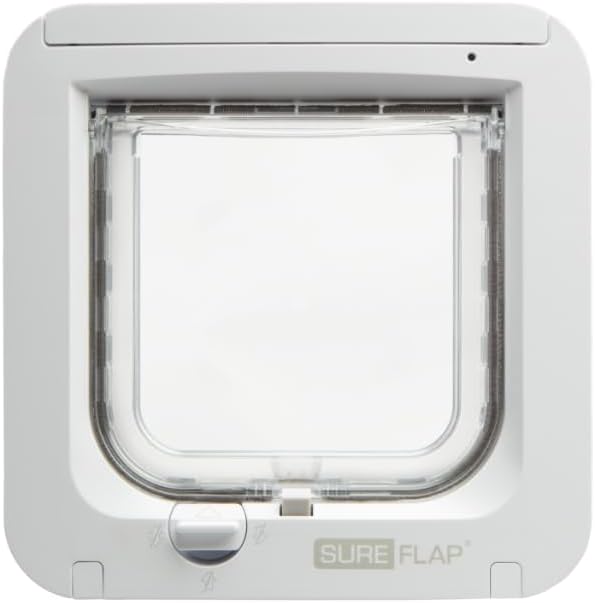
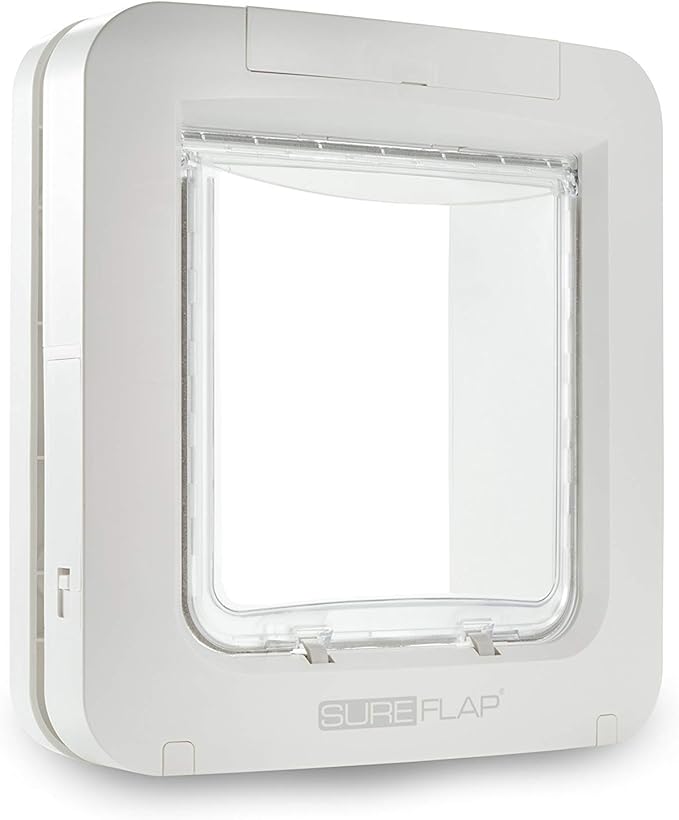
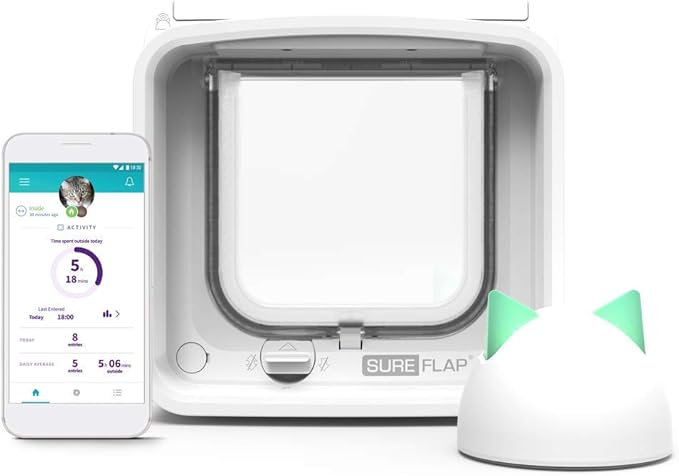
Shop Microchip Cat Flaps on Amazon:
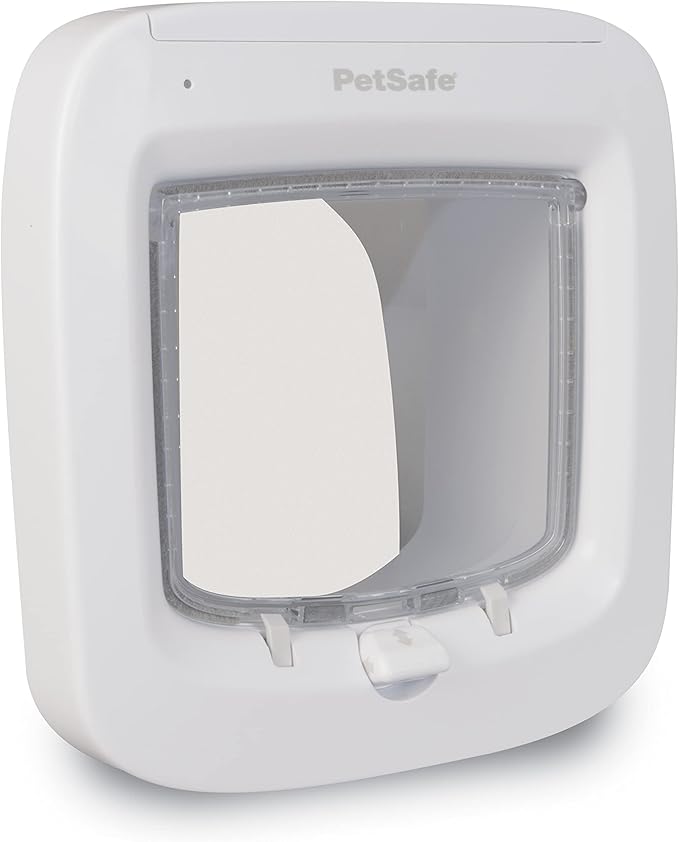
Manual Cat Flaps: