Cat Flaps, Smells and Indoor Air Quality: The Honest UK Guide
The Air Quality Maths
Indoor cat households without flap access rely on litter trays. Even with daily scooping, litter trays put ammonia (from urine), faecal volatiles and dust particles into the air your family breathes. A second contributor is damp cat food residue in bowls left out longer because owners feel guilty leaving an indoor cat with nothing to do.
Fit a cat flap and most cats shift the majority of toileting outdoors within 2–3 weeks. Ammonia levels in the home drop measurably. Litter dust drops. Air feels fresher because it *is* fresher.
What About Letting Outside Air *In*?
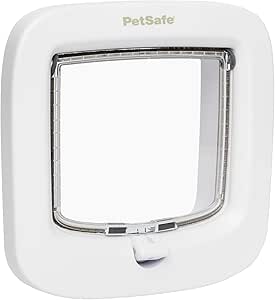
A modern well-fitted cat flap is a tiny opening with a sealed perimeter. Air exchange through it is minimal — far less than a single trickle vent on a window. You will not notice 'outside smells' coming in through a closed flap.
For a few seconds while the cat passes through, yes, outdoor air enters — but that's a feature, not a bug. UK Building Regulations *require* ventilation for indoor air quality (Approved Document F). A flap contributes a negligible but positive amount.
Litter Tray Strategy After Fitting a Flap
Don't remove litter trays straight away. Recommended progression:
• Weeks 1–4 — keep all litter trays as before. Cat is still adapting.
• Weeks 4–8 — reduce to one or two trays based on which the cat still uses.
• Long term — keep at least one indoor litter tray available 24/7. Cats need an indoor option for bad weather, illness, or when the flap is locked overnight. A senior cat may revert to indoor use entirely in winter.
Never fully remove litter access. Cats will pick the nearest soft surface (your laundry, a rug, the bath mat) if locked out of the flap with no litter alternative.
Kitchen Smells and Cooking Fumes
Kitchens are the most common cat flap location. A closed flap blocks essentially no cooking fume escape (it's not a vent), and an open flap during cooking actually helps clear steam slightly. If kitchen humidity / smells are an issue:
• Always run your extractor on cook
• Don't dry laundry in the kitchen
• Crack a window briefly post-cooking
None of these are flap-specific — they're standard UK kitchen ventilation advice.
Wet-Cat and Muddy-Paw Management
The smell pitfall is a wet, muddy cat coming back in through a flap onto a clean carpet. Manage with:
• A microfibre door mat directly under the inside of the flap, washed weekly
• A second mat outside under the flap to catch the worst dirt
• For long-haired cats, a quick paw wipe with a damp cloth as routine
• Choose a flap location with hard flooring on the inside (kitchen, utility, boot room) rather than carpet
Allergies and Asthma
If anyone in the household has a cat allergy or asthma, a cat flap helps by reducing the time the cat spends indoors during the day, and reducing reliance on litter (a major allergen carrier via dust). Combined with HEPA vacuuming and regular soft-furnishing washing, indoor air quality typically improves after fitting a flap.
Where to Fit for Best Air Quality
Best: utility room, boot room, kitchen with hard flooring, conservatory.
Avoid: main hallway opening directly onto carpeted living areas, bedrooms.
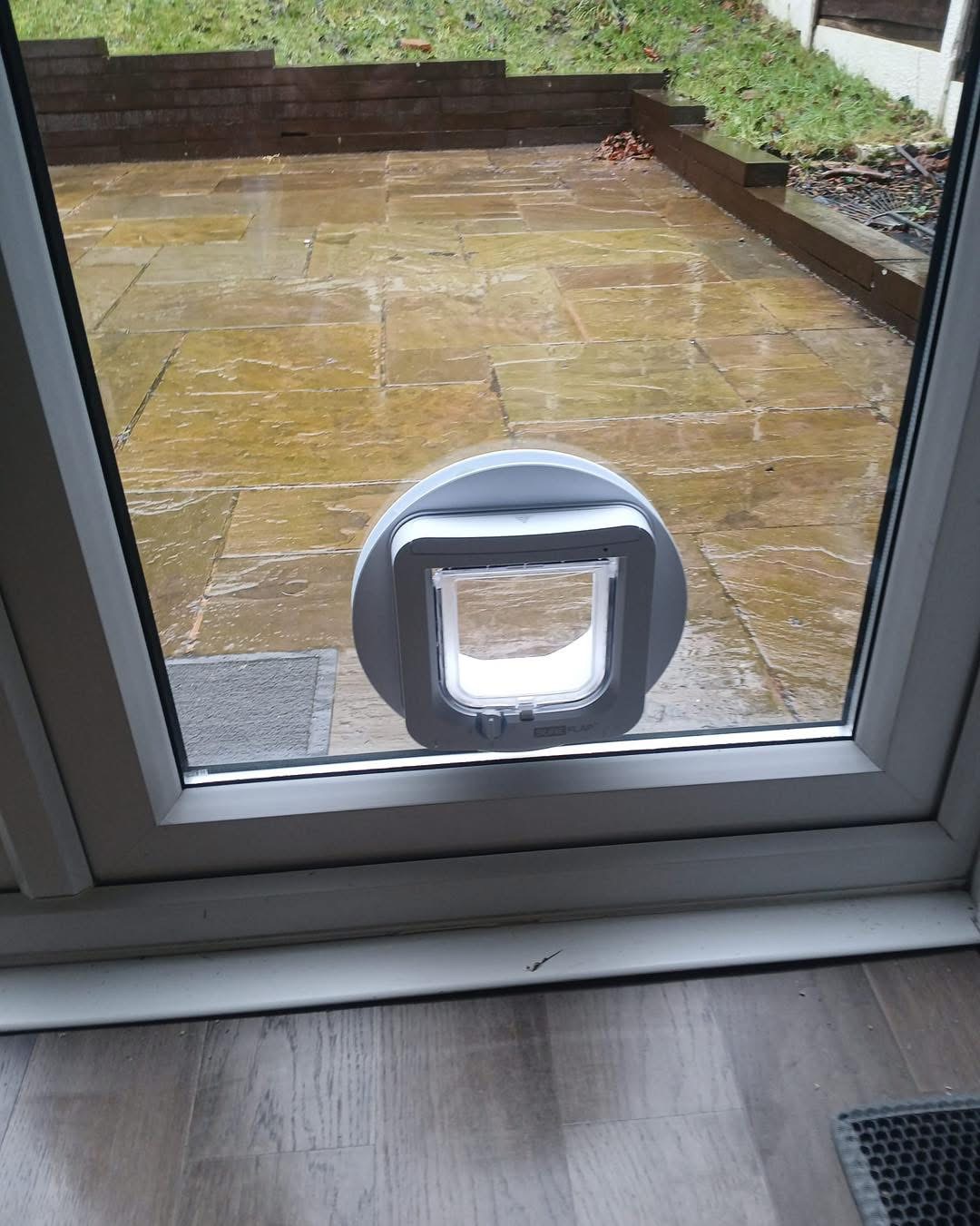
Our most popular fitting locations are kitchen patio doors and glass back doors — both work well for air quality and easy mat management. See glass door fitting or request a quote.
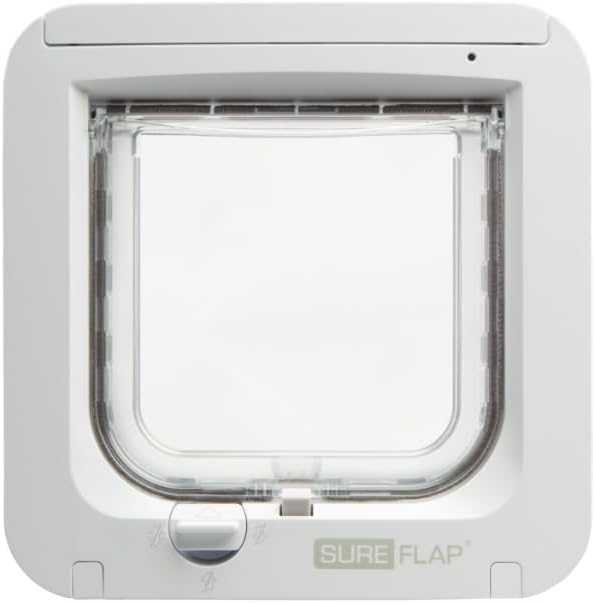
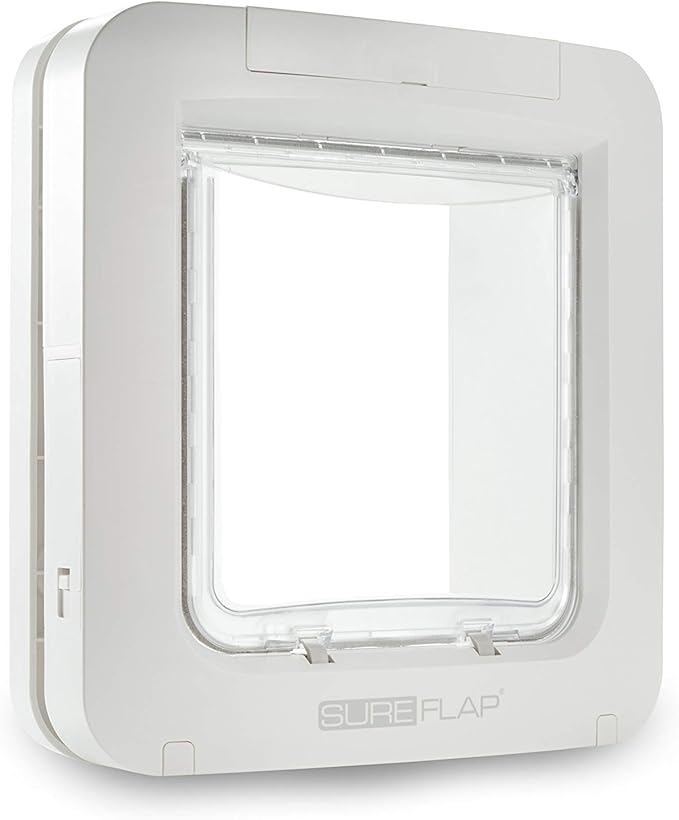
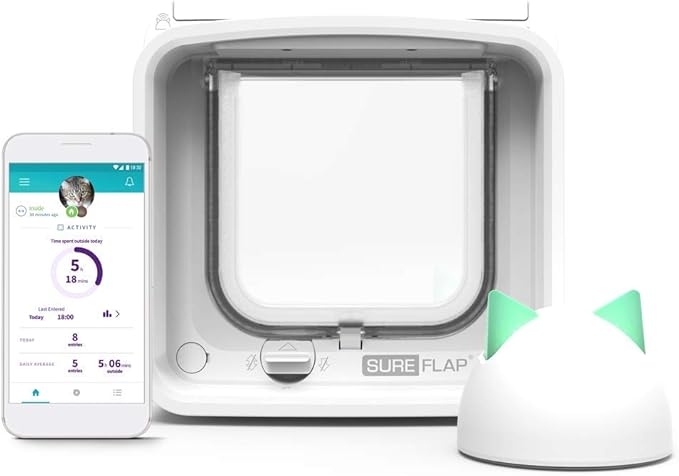
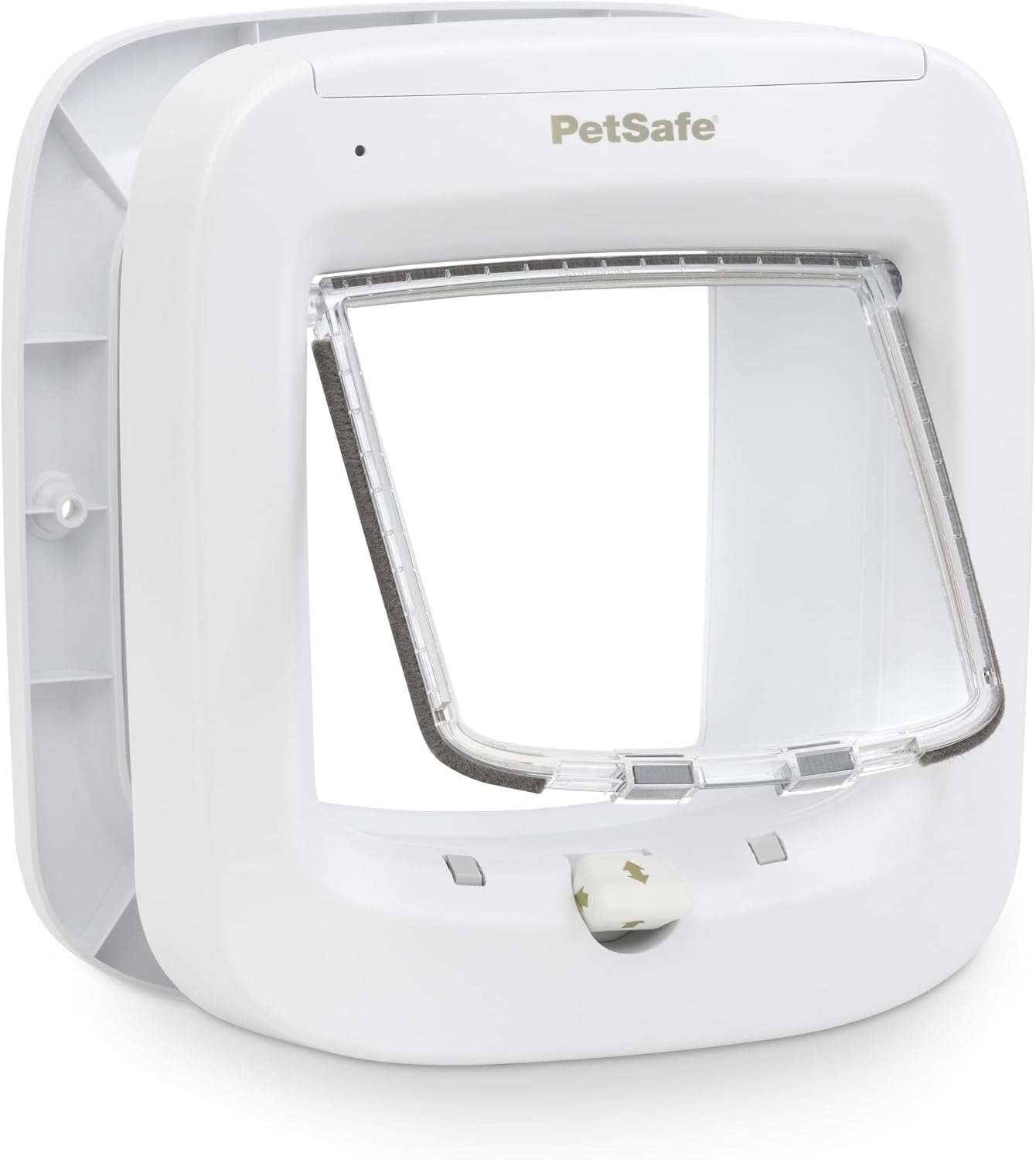
Shop Microchip Cat Flaps on Amazon:
Manual Cat Flaps: