Cat Flap Sizes Explained — Small, Large, XL Chart With Real Cat Breeds
UK Cat Flap Size Chart
Every UK cat flap fits one of four broad size classes. The measurement that matters is the flap opening (the hole your cat pushes through), not the outer frame.
| Size | Flap opening (W×H) | Total frame (approx) | Suits cats up to | Typical brands |
|---|---|---|---|---|
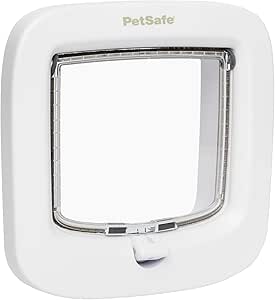
| Small / Kitten | 14 × 12 cm | 20 × 20 cm | 4 kg | Cat Mate 235, some Petsafe manual |
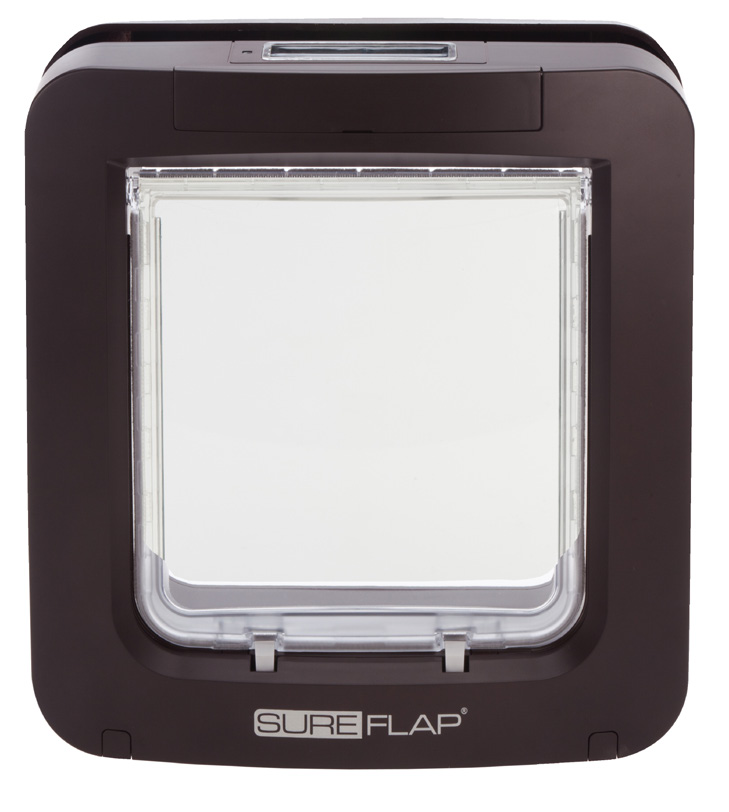
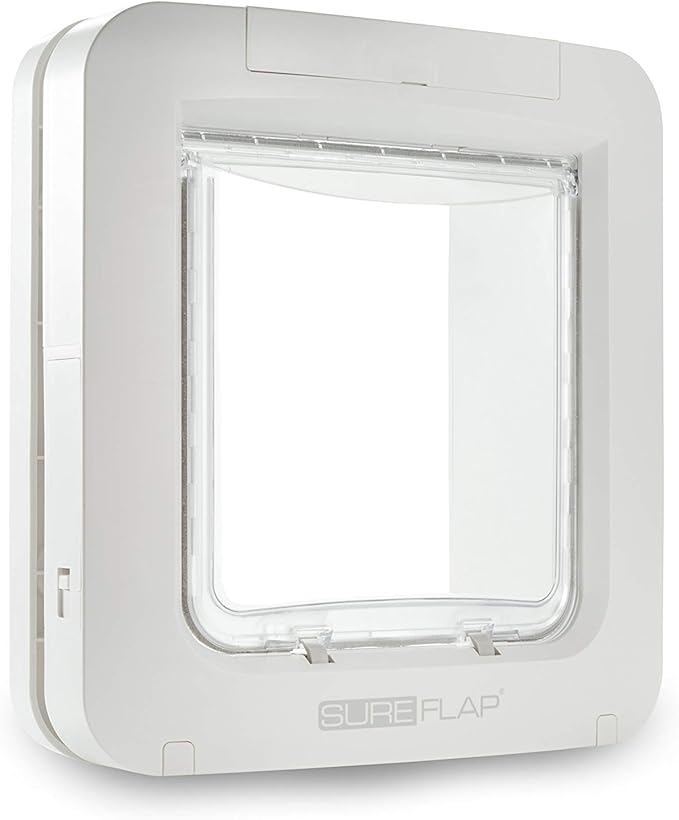
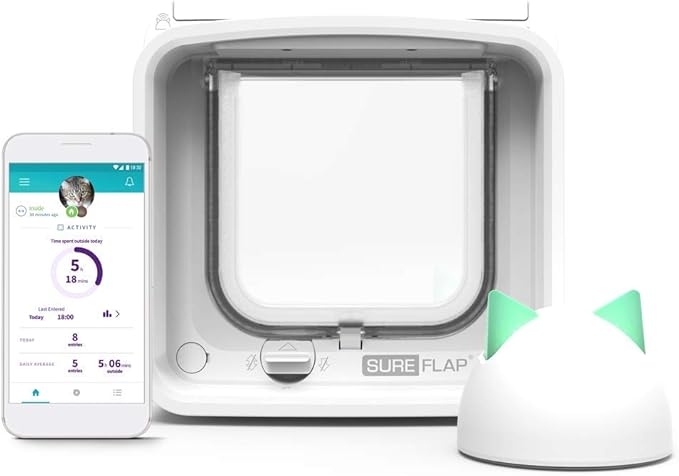
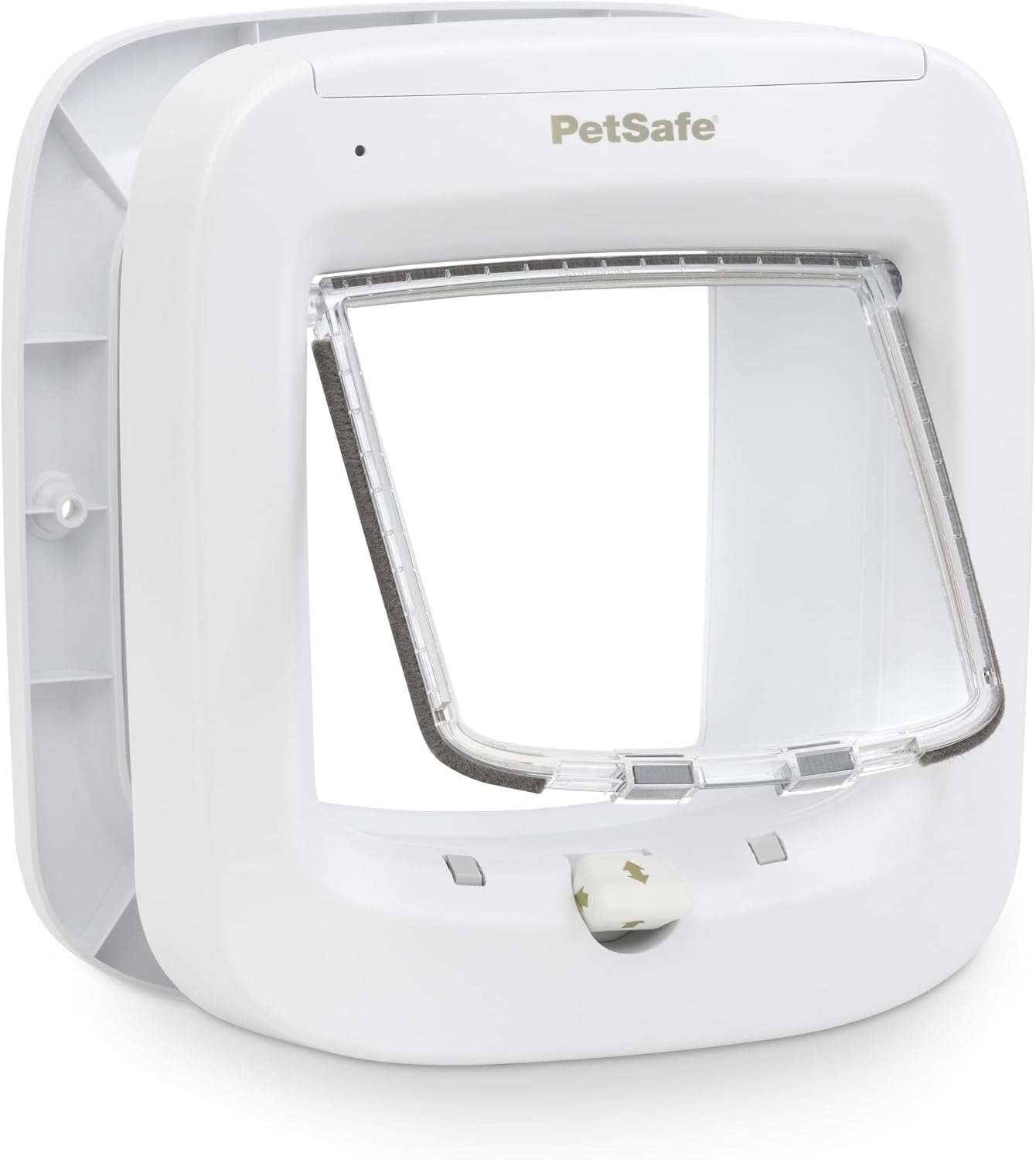
| Standard | 17 × 17 cm | 21 × 21 cm | 7 kg | SureFlap Microchip, PetSafe Microchip, Cat Mate Elite |
| Large | 20 × 20 cm | 25 × 25 cm | 9 kg | SureFlap Pet Door, Pet-Tek Cat Door |
| XL / Small dog | 24 × 20 cm | 30 × 27 cm | 12 kg+ | Pet-Tek Freedom, Staywell 400 series |
All dimensions are the aperture we cut into your door. The outer trim frame adds 3–5 cm on each side but doesn't need to fit *through* anything — only the flap opening does.
For a full side-by-side of features (microchip vs manual, DualScan, weather resistance) see the cat flap comparison table.
Which Breeds Need Which Size
Standard (17×17 cm) fits almost all cats:
• Domestic Shorthair / Moggie
• British Shorthair
• Siamese, Burmese, Oriental
• Russian Blue, Bengal, Abyssinian
• Ragamuffin (juvenile)
• Persian, Exotic Shorthair
• Sphynx, Devon Rex, Cornish Rex
Large (20×20 cm) — the safe pick for bigger breeds:
• Maine Coon (average 6–8 kg, some 10 kg)
• Ragdoll (average 5–9 kg)
• Norwegian Forest Cat (5–8 kg)
• Siberian (5–8 kg)
• Turkish Van (5–9 kg)
• Chausie, Savannah (F3–F5)
• Overweight domestics over 7 kg
XL (24×20 cm) — needed for true giants:
• Maine Coon at the top of the breed standard (10 kg+)
• Large male Ragdolls (9 kg+)
• Chausie F1–F2, Savannah F1–F2
• Small dog crossovers (French Bulldog, Miniature Dachshund) — see our dog door fitting service
See full breed profiles on our cat breeds page.
How to Measure Your Cat
Two measurements matter — take both:
1. Shoulder width (the widest bony point across the chest)
• Cat standing normally, facing away from you
• Measure across the shoulder blades with a soft tape
• Add 3 cm — this is your minimum flap width
2. Chest height (from the floor to the top of the shoulders, standing)
• Cat standing on a flat surface
• Measure from floor to the top of the withers
• Add 2 cm — this is your minimum flap height
Examples:
• Domestic Shorthair measures 12 cm shoulder × 14 cm chest → standard 17×17 flap is comfortable with room
• Maine Coon measures 17 cm shoulder × 18 cm chest → large 20×20 flap needed
• 6 kg Ragdoll measures 15 cm shoulder × 16 cm chest → standard works but large is more comfortable
Rule of thumb: if your cat is under 6 kg, standard fits. Over 7 kg, go large. Over 9 kg, go XL.
The 'Two Cat' Question
If you have two or more cats of different sizes, fit for the largest. Small cats have no trouble using a bigger flap; large cats squeezing through an undersized flap develop refusal behaviour within weeks and stop using it entirely.
DualScan microchip flaps (like the SureFlap DualScan) can be set to let some cats in but not out — useful for a diabetic or medicated cat that shouldn't roam. Only available in the standard (17×17) size, so it isn't suitable if you have a Maine Coon in the household.
What About Fat Cats?
This comes up a lot. If your cat is genuinely overweight (a vet has said so), the flap size should match their current measurements, not their target weight. Making them squeeze through an undersized flap causes:
• Flap refusal (they stop going out)
• Litter tray accidents
• Anxiety and hiding
• In extreme cases, injury pressing against the frame
Fit large (20×20 cm) for any cat over 6 kg regardless of build. If they lose weight, the flap still works fine. You cannot go the other way.
Aperture Size vs Flap Opening
Two numbers that confuse buyers:
• Flap opening — the hole your cat pushes through (what matters for the cat)
• Aperture — the hole we cut in the door (what matters for the install)
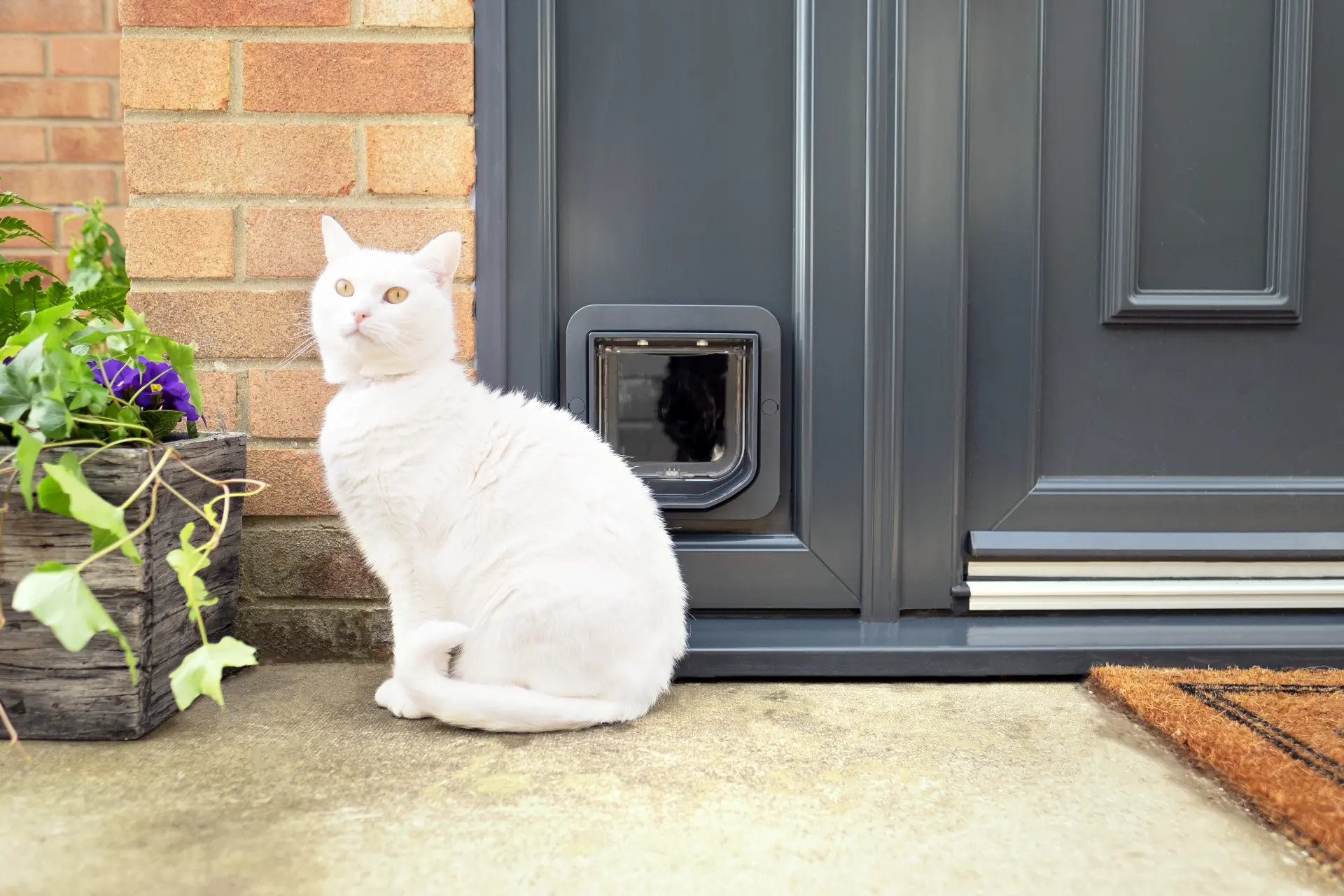
The aperture is always 2–3 cm larger than the flap opening because the frame overlaps the door edge. Example: a SureFlap Microchip has a 17 cm flap opening but needs a 21 cm aperture cut into the door.
We handle the exact aperture size for whichever flap you buy — no measuring needed from you. The Will It Fit checker confirms whether your door has enough flat panel area for any given size.
Buying the Right Size
If you want to buy the flap before we visit:
• Small cat (under 5 kg): SureFlap Microchip — 17×17 flap
• Medium cat (5–7 kg): SureFlap Microchip or PetSafe Microchip — 17×17 flap
• Large cat (7–9 kg): SureFlap Pet Door — 20×20 flap
• XL cat / small dog: Pet-Tek Freedom Cat Door — 24×20 flap (Pet-Tek range)
Still unsure? Take the cat flap quiz — 6 questions, gives a specific model recommendation.
Ready to Fit
We install every flap size into uPVC, composite, glass, bi-fold, patio and conservatory doors. Every fit is backed by our 3-year workmanship guarantee.
• Cost calculator for an instant price by door type and flap size
• Free quote form for a confirmed price within 24 hours
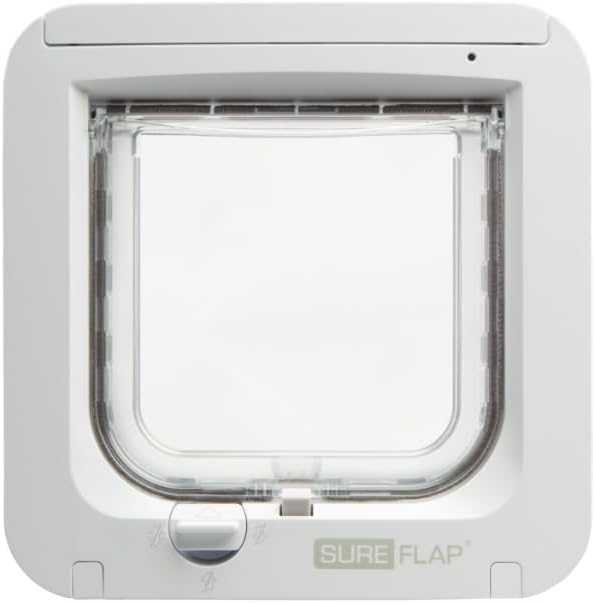
Shop Microchip Cat Flaps on Amazon:
Manual Cat Flaps: