How to Install a Pet Door in a Glass Door (UK Step-by-Step Guide)
Why This Is Not a DIY Job
Let's be clear up front: you cannot install a pet door in a glass door yourself. The obstacle isn't skill, tools or courage — it's physics.
All modern UK glass doors (patio, French, bi-fold, conservatory) use toughened safety glass. This glass is heat-treated to create enormous internal stress, which is what makes it 4–5 times stronger than standard glass and causes it to break into harmless granules rather than dangerous shards.
That same internal stress means any attempt to cut, drill, score or chip toughened glass triggers instant total shattering. There is no safe method. No special drill bit. No slow-speed technique. The moment you breach the surface, the entire pane disintegrates.
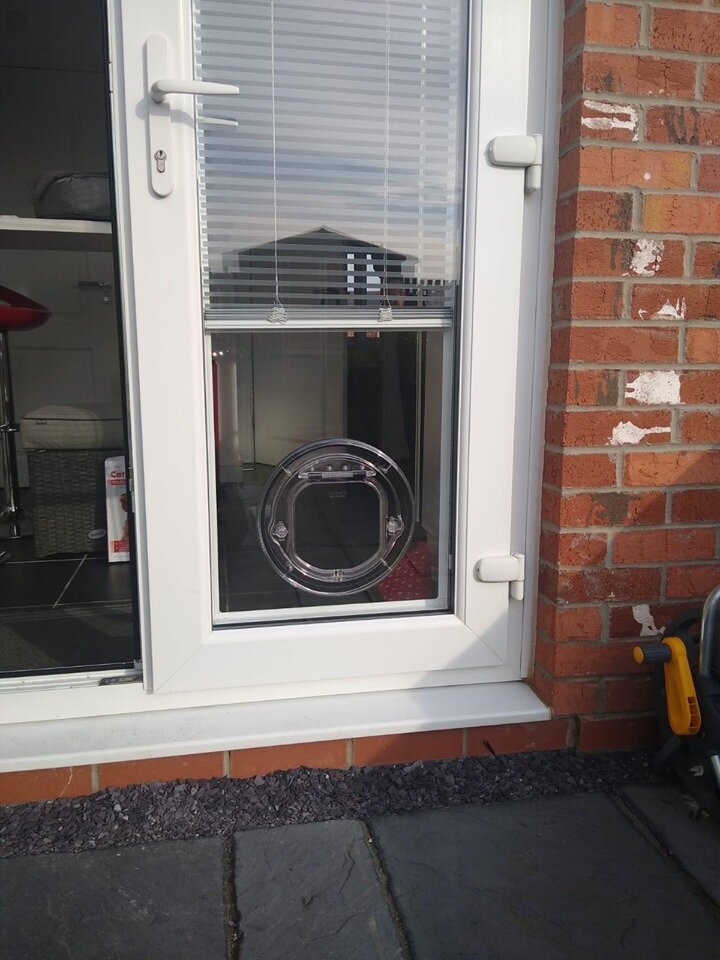
This is why every reputable installer uses the replacement panel method: a brand-new toughened glass unit is manufactured with the pet door hole pre-cut, then fitted into your existing door frame. The old pane is removed intact and disposed of safely.
Step 1: Survey and Measure (Professional)
A professional installer begins with precise measurements of your existing glass unit:
• Width and height of the glass pane (not the door frame — the visible glass itself)
• Glass thickness — usually 4mm, 6mm or 8mm per pane
• Unit depth — the total thickness of the sealed double-glazed unit including spacer bar
• Spacer bar type — warm-edge or aluminium, which affects how the aperture is routed
• Coatings — low-E, self-cleaning, or tinted glass must be matched on the replacement
• Pet size — shoulder height and width to specify the correct flap or door model
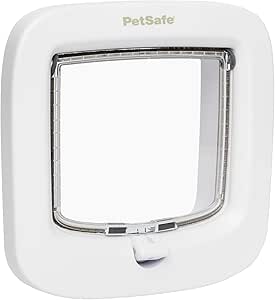
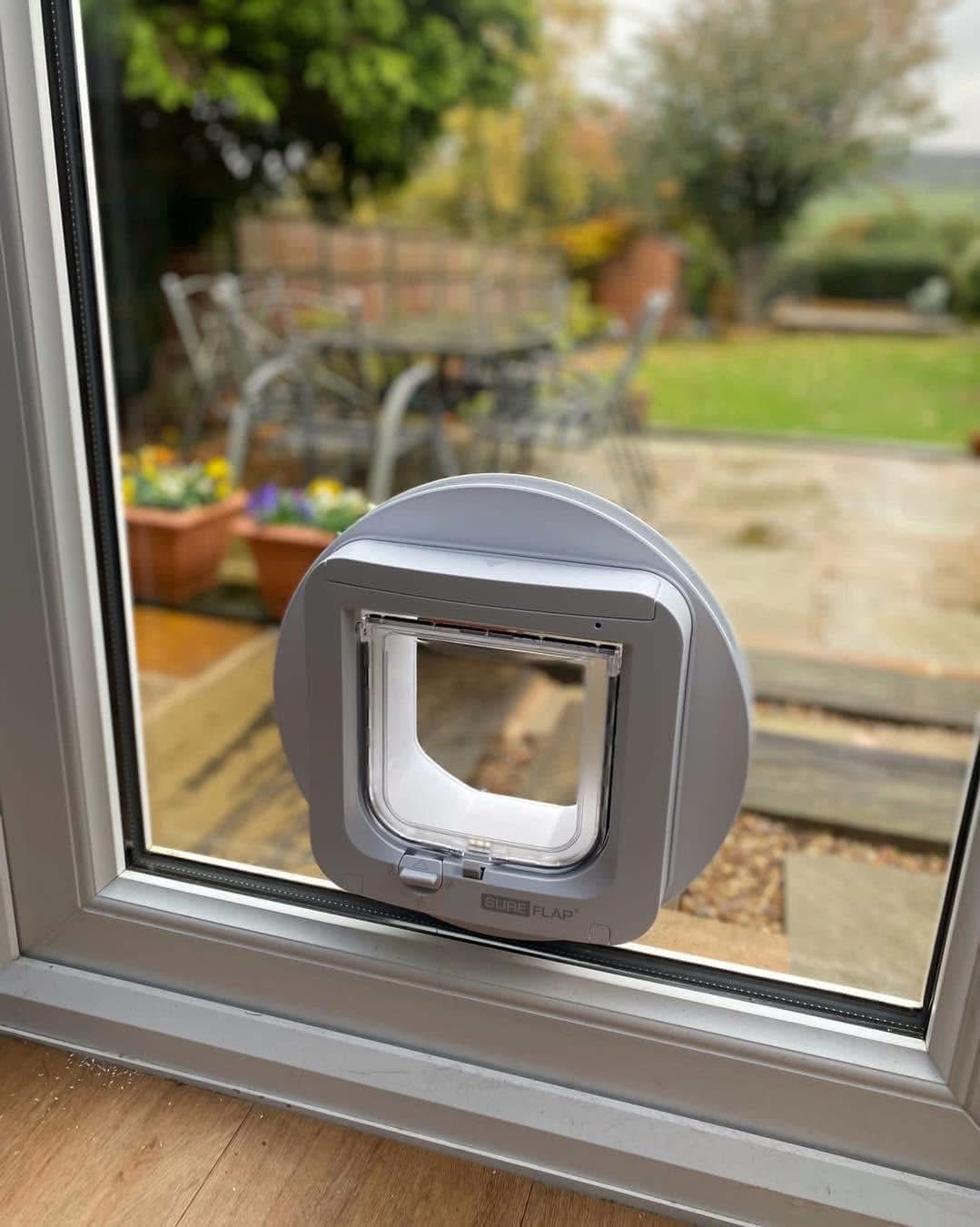
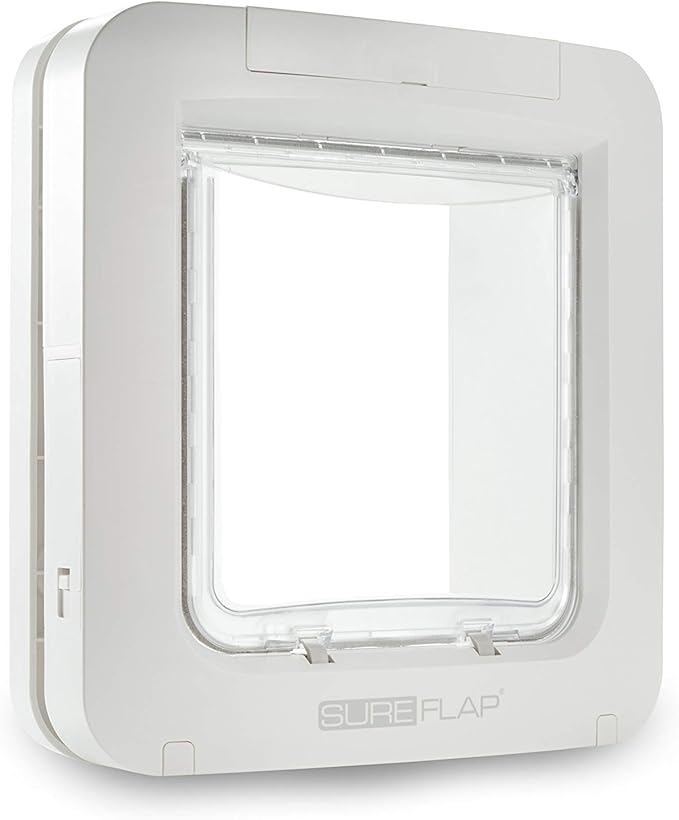
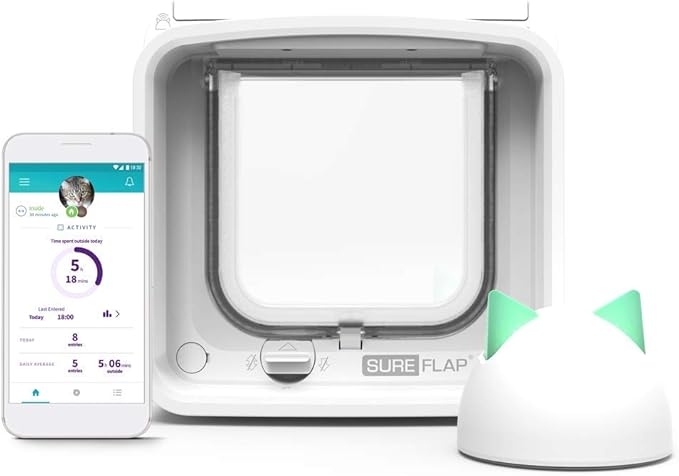
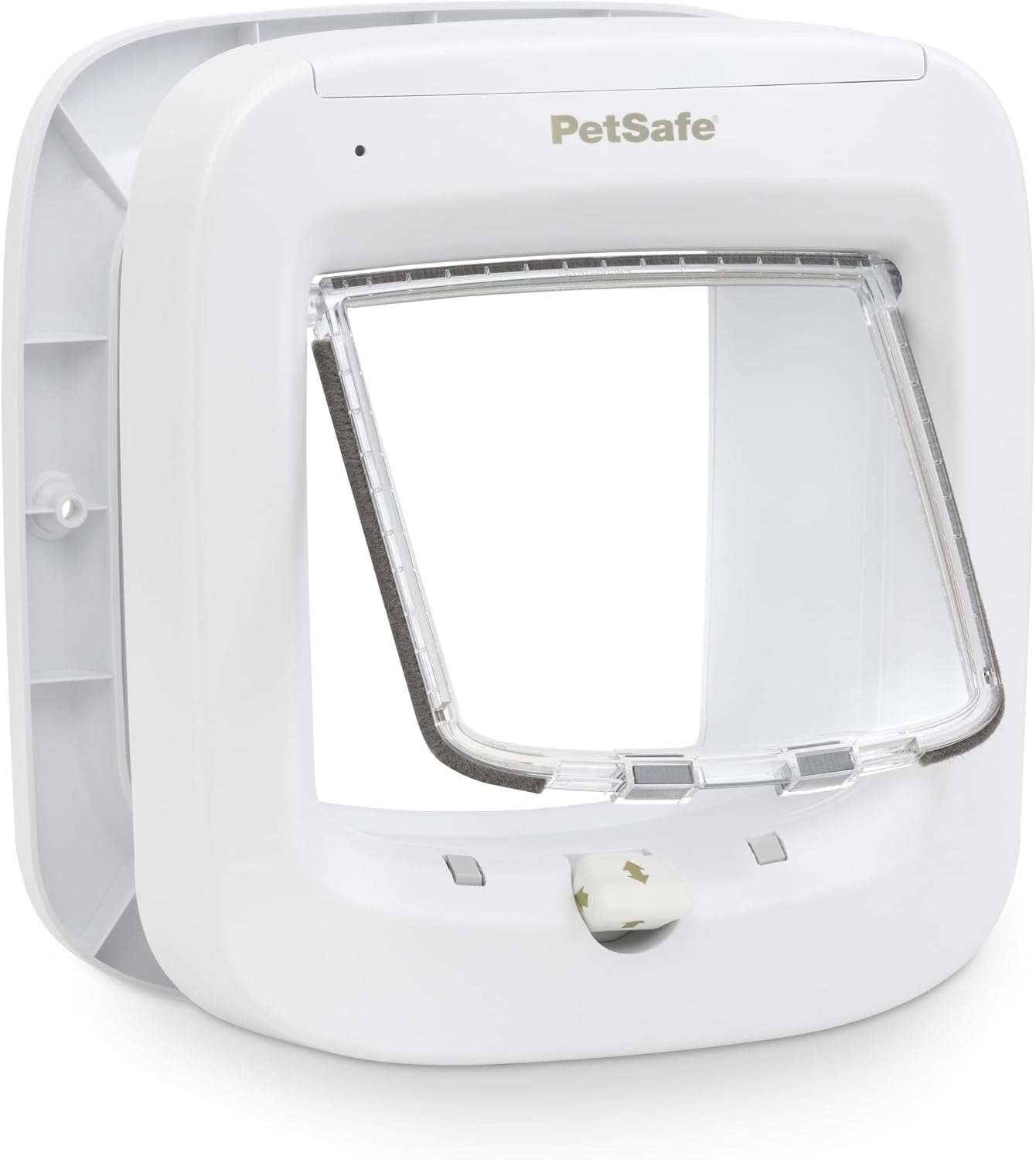
We also take photos of the door frame, hinges and glazing beads to confirm how the old panel will be removed and the new one fitted. At this stage we specify the pet door brand and model — for glass, Pet-Tek is the specialist choice, while SureFlap and PetSafe are ideal if you want microchip security.
Step 2: Order the Replacement Glass Panel
The measurements are sent to a UK-certified glass processor who manufactures a like-for-like replacement unit. The process:
- Cut the apertures — the pet door hole is machined through both panes of the double-glazed unit while the glass is still untoughened (annealed).
- Route the spacer bar — on double or triple glazing, the aluminium or warm-edge spacer is cut and bridged around the opening so the unit remains airtight.
- Primary seal — a polyisobutylene (PIB) ribbon is applied around the edges and aperture.
- Toughening — the entire unit is heat-treated to create the safety glass properties.
- Secondary seal — structural silicone or polysulphide is applied to complete the seal.
- Gas fill — argon or krypton is injected into the cavity for insulation.
This process takes 5–10 working days and cannot be rushed. The glass must be cut before toughening — once toughened, it's immutable.
Step 3: Remove the Old Glass Panel
On installation day, the old glass panel is carefully removed from the door frame. Most modern UPvc, aluminium and composite door frames use removable glazing beads — plastic or metal strips that clip into the frame and hold the glass in place.
The installer:
- Removes the glazing beads from one side (usually the inside) using a specialist tool that doesn't damage the bead or frame
- Cuts through any existing silicone or tape holding the glass
- Lifts the old pane out and places it on a padded surface
- Cleans the frame channel of old sealant and debris
The old panel is then transported away for safe recycling — toughened glass cannot be re-cut or reused, but it is fully recyclable.
Step 4: Fit the New Panel and Pet Door
The new pre-cut panel is lifted into the frame and seated on setting blocks to ensure correct alignment and drainage. The installer:
- Positions the panel with equal gaps on all sides
- Applies a flexible silicone or foam tape seal around the edges
- Reclips the glazing beads to secure the panel
- Installs the pet door into the pre-cut aperture from both sides
- Tightens the frame screws in a diagonal pattern to avoid warping
- Tests the flap or door mechanism, the 4-way lock, and the magnetic or electronic seal
- Checks the weather seal by running a hand around the edge to feel for draughts
On-site time is typically 1–2 hours. The door is fully usable immediately.
Step 5: Cleanup and Handover
A professional installation includes:
• Safe disposal of the old glass panel
• Vacuuming of all debris and glass dust
• Cleaning the new glass inside and out
• A walkthrough of the pet door's features (lock positions, battery replacement, programming for microchip models)
• A written workmanship guarantee (we offer 3 years)
The homeowner is left with a fully functional pet door, a clean work area, and documentation of the new glass unit's specifications for their records.
How Much Does Professional Installation Cost?
From £280 for a standard cat flap installation in a glass door, including:
• Survey and precise measurement
• Manufacture of the replacement toughened glass panel
• The cat flap or pet door unit
• Removal of the old panel and fitting of the new one
• Weather sealing and testing
• Safe disposal and cleanup
• Workmanship guarantee
Larger dog doors, triple glazing, obscured or tinted glass, and premium microchip or smart flaps increase the price. Use our cost calculator for a tailored estimate.
For comparison, fitting a pet door into a UPvc door panel (no glass replacement) starts from around £60–£90 because the panel is cut directly rather than replaced.
How Long Does the Whole Process Take?
Total turnaround: typically 1–2 weeks.
• Survey and quote: same day or next day
• Glass manufacture: 5–10 working days
• Installation appointment: 1–2 hours on-site
We can usually book the installation slot before the glass is ready, so the process flows smoothly without gaps. If you have a deadline (new puppy, house sale, holiday), let us know and we'll coordinate timing.
What to Look for in a Professional Installer
Not every glazier understands pet doors, and not every pet-door fitter understands glazing. The ideal installer has experience in both. Ask prospective fitters:
• Do you use a UK-certified glass processor for the replacement panel?
• Do you measure and specify the unit yourself, or subcontract to a separate glazier?
• What happens if the new panel doesn't fit? (It shouldn't happen, but the answer reveals professionalism.)
• Is your work guaranteed?
• Do you dispose of the old glass safely?
We've fitted thousands of pet doors into glass across the North West, Cheshire, Staffordshire, Yorkshire and North Wales. Every installation is measured, specified and fitted by us directly — no subcontractors, no middlemen, no confusion.
Read more about our glass door fitting service or visit our Pet-Tek brand page to see the specialist glass-door flaps we recommend.
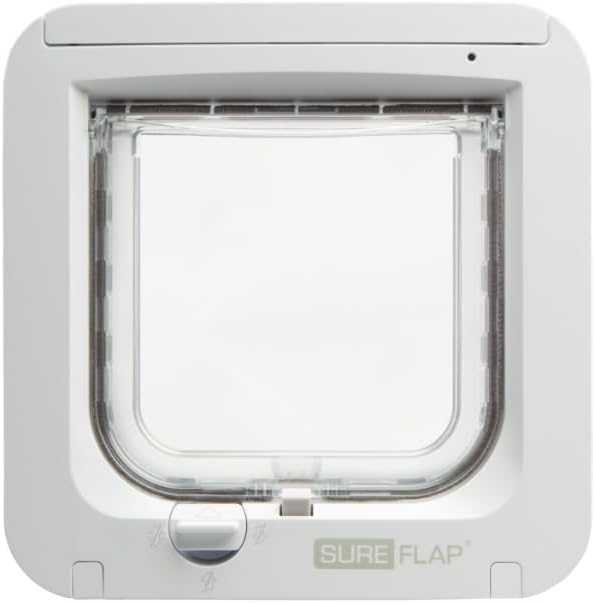
Shop Microchip Cat Flaps on Amazon:
Manual Cat Flaps: