Microchip vs Collar Tag Cat Flaps: Which to Buy in 2026
Quick Answer
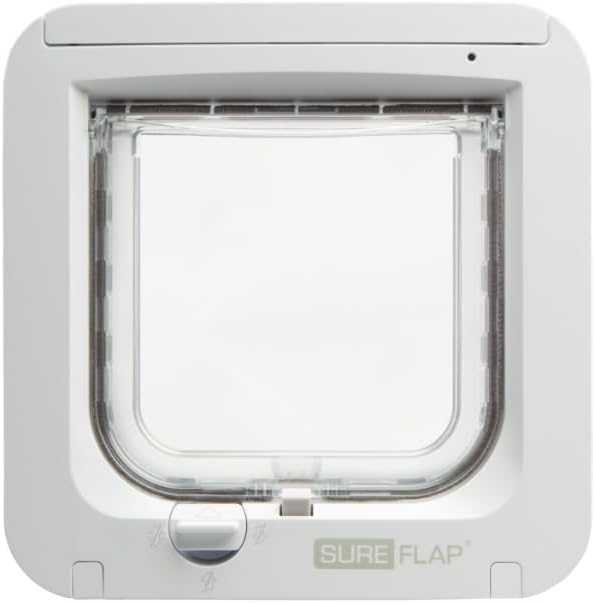
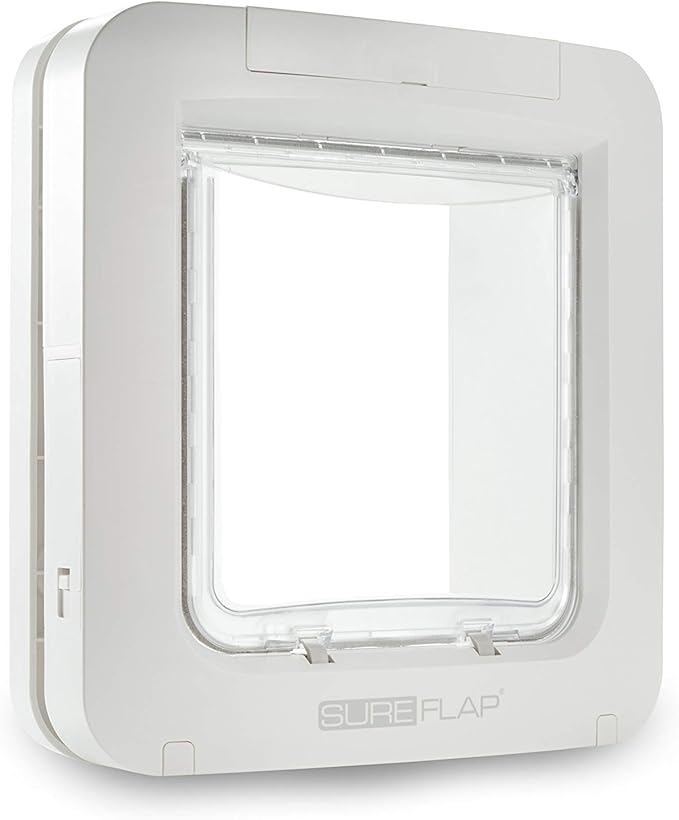
• Cat has a standard 15-digit FDX-B microchip → buy a microchip flap. SureFlap Microchip Cat Flap is the default choice.
• Large cat or small dog → SureFlap Microchip Pet Door, which adds a curfew timer.
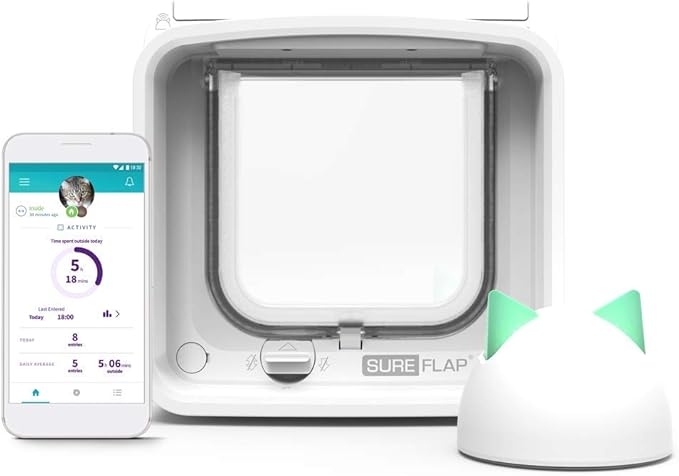
• You want app control, activity logs and remote curfews → SureFlap Connect with Hub.
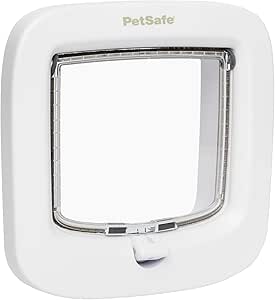
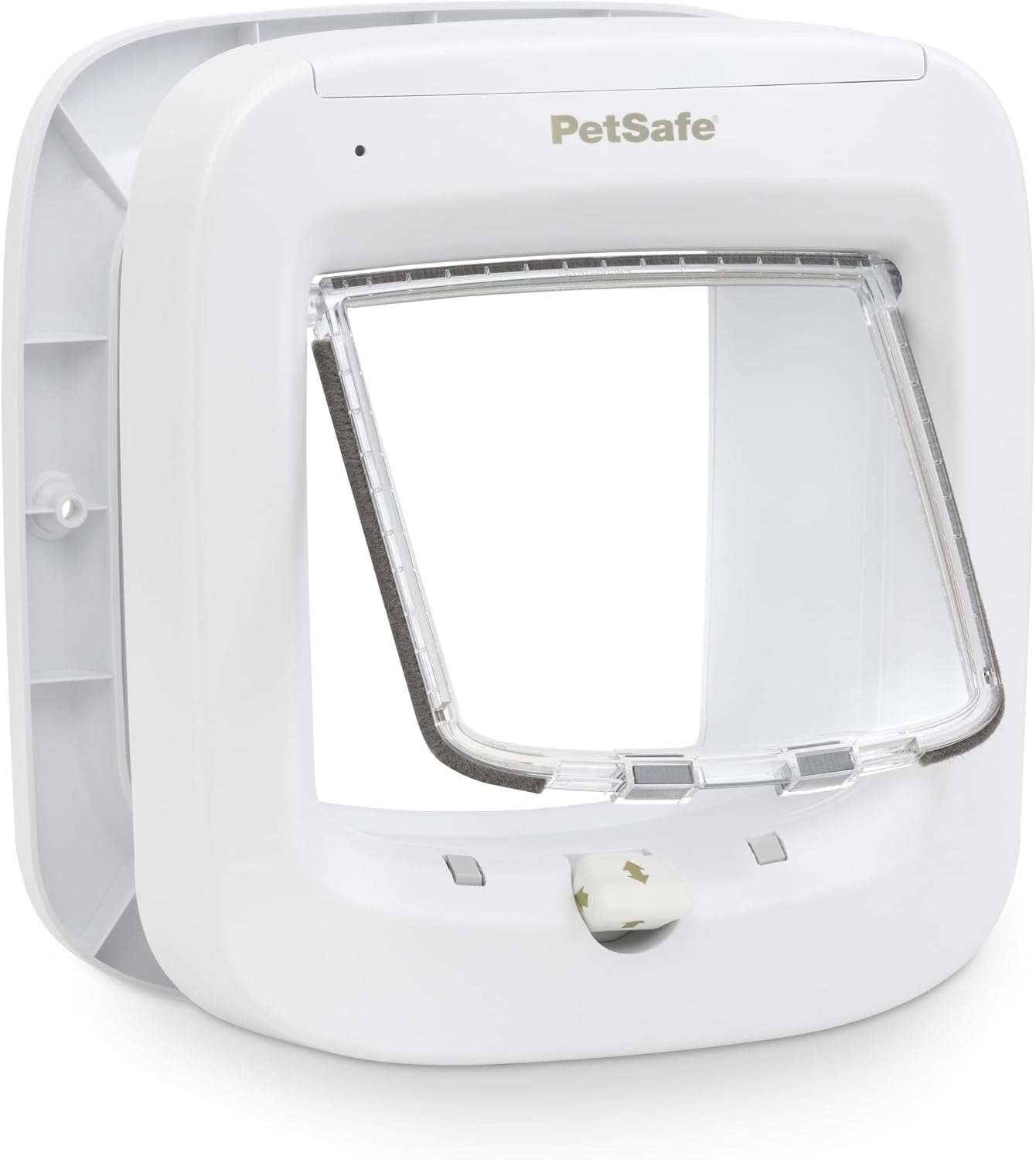
• Chip won't read, or the cat is a rescue with unknown chip history → any of the above plus an RFID collar tag, or the PetSafe Microchip flap.
• No chip, indoor-outdoor cat, keep it simple → PetSafe Manual-Locking flap, four-way lock, no batteries.
Check your cat's chip first with our free microchip compatibility checker. As an Amazon Associate we earn from qualifying purchases.
How Each One Actually Works
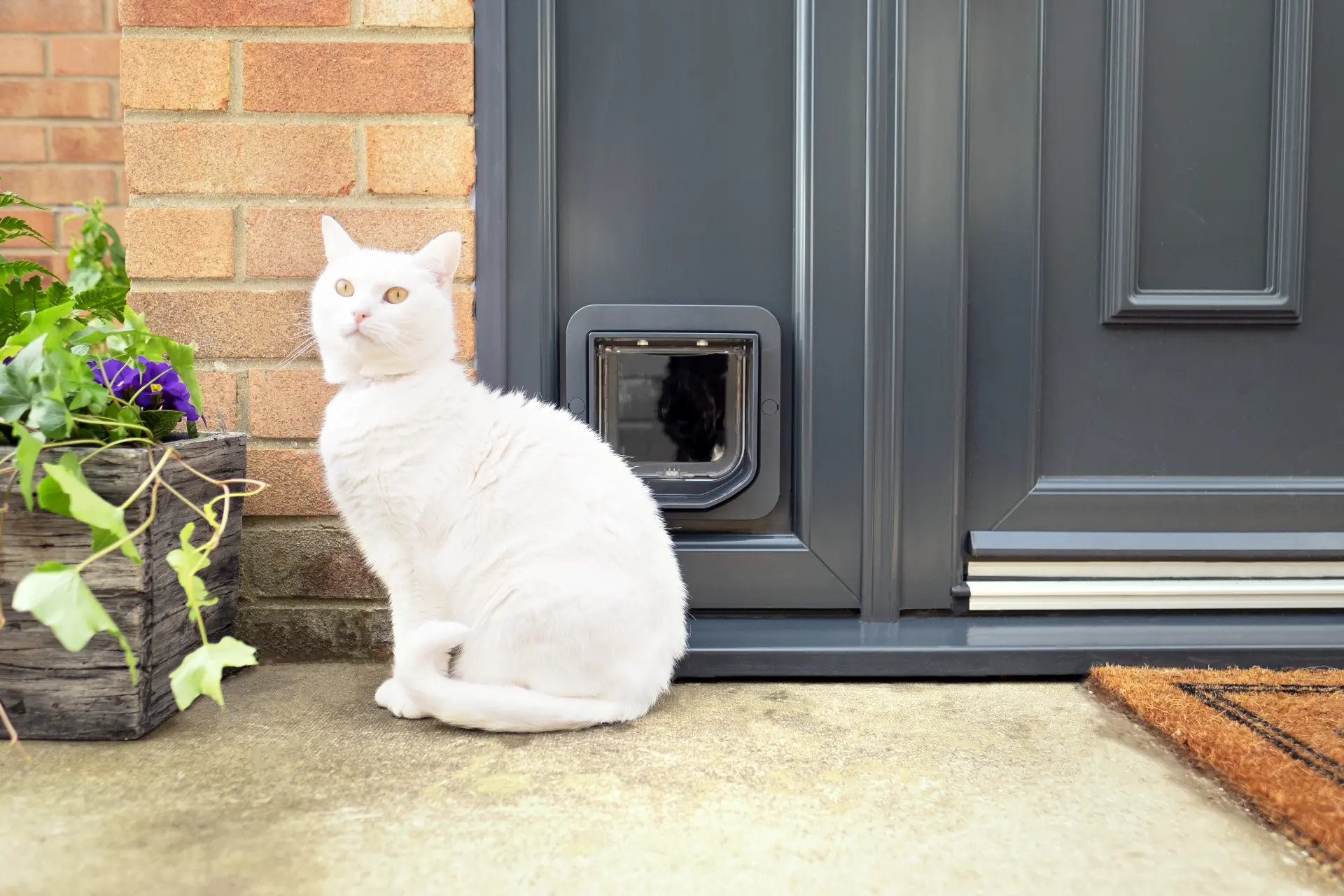
Microchip flaps read the chip already implanted between your cat's shoulder blades. The cat approaches, an antenna in the tunnel reads the chip, a motor releases the lock. Nothing on the collar, nothing to lose, and the flap stores multiple pet IDs so a multi-cat household works fine.
Collar-tag (RFID) operation uses a small plastic tag clipped to a quick-release collar. The flap reads the tag instead of the chip. It works with any cat, chipped or not — but the cat has to keep the collar on, and quick-release collars are designed to come off if snagged.
Every microchip flap we fit accepts the manufacturer's own collar tag as a fallback, so a chip that won't read is not a dead end — you just use the matching tag for that brand.
Compared
| Microchip | Collar tag | |
|---|---|---|
| Cat needs to wear anything | No | Yes, a collar |
| Works with unknown/old chips | Not always | Always |
| Risk of loss | None | Tag or collar can be lost |
| Multi-cat households | Up to 32 IDs (SureFlap) | One tag per cat |
| Excluding one of your own cats | Not possible if both chipped and stored | Easy — remove that cat's tag |
| Kittens | Fine once chipped | Fine, use a lightweight tag |
| Typical cost | £60–£130 | £8–£15 per spare tag |
The practical rule: microchip first, collar tag as the backup or the exception.
Which Flap We'd Fit for You
| Situation | Model | Price guide |
|---|---|---|
| Average cat, uPVC or wooden door | SureFlap Microchip Cat Flap | £60–£90 |
| Large cat or small dog | SureFlap Microchip Pet Door | £100–£140 |
| Wants phone alerts and curfews | SureFlap Connect + Hub | £150–£200 |
| Wants 4-way lock plus microchip | PetSafe Microchip Cat Flap | £50–£80 |
| No chip, budget build | PetSafe Manual-Locking Cat Flap | £20–£35 |
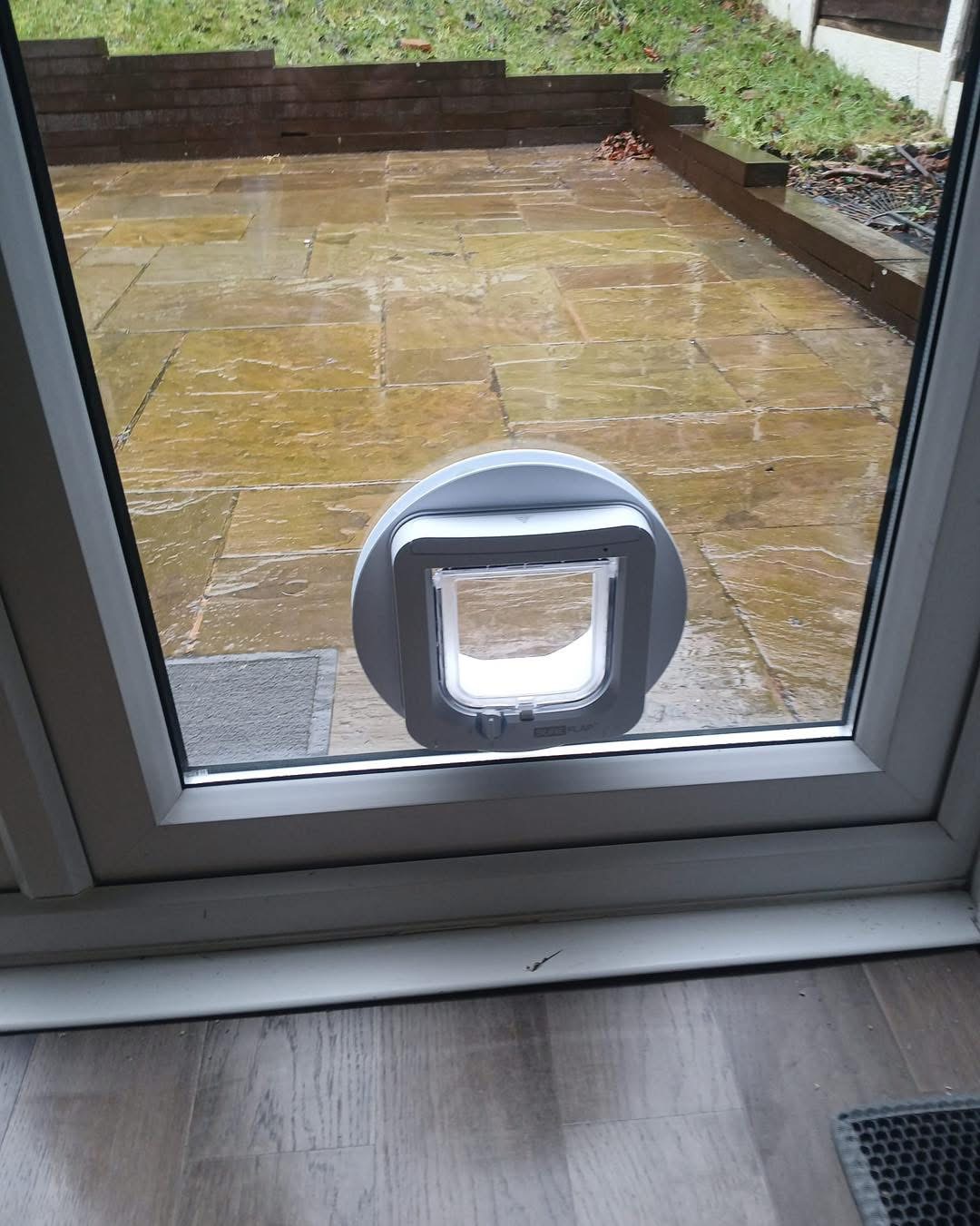
Going into glass? Existing toughened glass cannot be cut, so a new toughened panel with a pre-cut hole is needed — see cat flap in glass door costs.
Common Mistakes
• Buying before checking the door. Composite and triple-glazed doors need different approaches. Use Will It Fit first.
• Assuming every chip reads. Older FECAVA and some AVID chips can be unreadable by consumer flaps. Check first, buy the tag if needed.
• Buying a cat-sized flap for a growing kitten. Maine Coons, Bengals and Ragdolls often need the pet door size.
• Using rechargeable batteries. They read as flat early in microchip flaps.
• Fitting too low or too high. Belly height is the rule — see cat flap height from the floor.
Next Steps
• Free tool: microchip compatibility checker
• Compare cat flaps side by side
• Browse the cat flap showcase
• Get a fitting quote — uPVC from £60, new glass panels from £280
Shop Microchip Cat Flaps on Amazon:
Manual Cat Flaps: