Cat Flap Security: Are Microchip Cat Flaps Safe Against Intruders?
The Honest Answer About Cat Flap Security
Let's address the concern directly: a cat flap does create a small opening in your door. However, the actual security risk is minimal when you understand the facts:
• A standard cat flap opening is just 142mm x 120mm — far too small for any person to reach through meaningfully
• Even the larger pet door (170mm x 178mm) is too small for an adult arm to reach a lock
• Microchip cat flaps are electronically locked at all times — they only unlock when your cat's microchip is detected
• The locking mechanism is on the inside, so it can't be manipulated from outside
Police crime statistics show that cat flaps are an extremely rare entry point for burglars. The vast majority of break-ins occur through unlocked doors, open windows, or by forcing locks.
Shop Microchip Cat Flaps on Amazon:
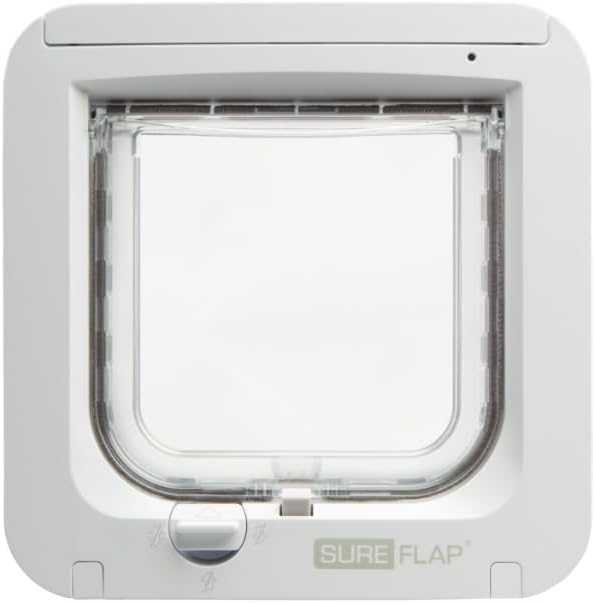
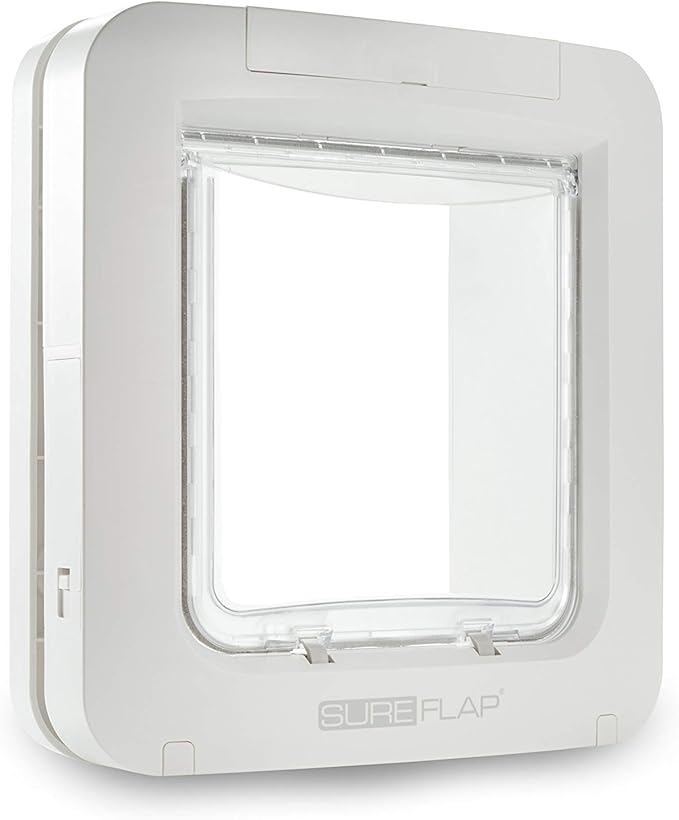
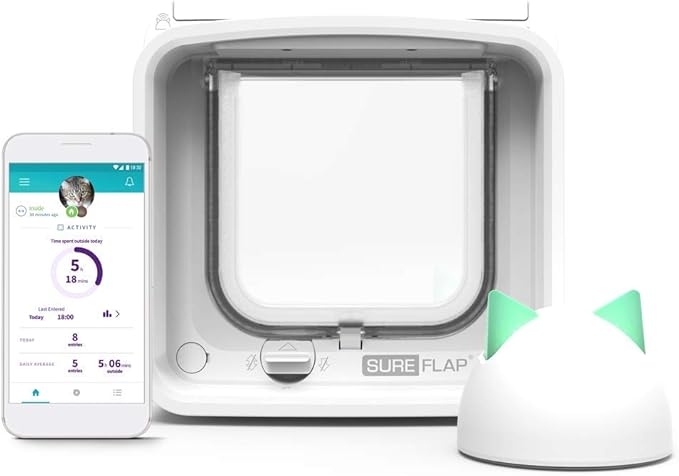
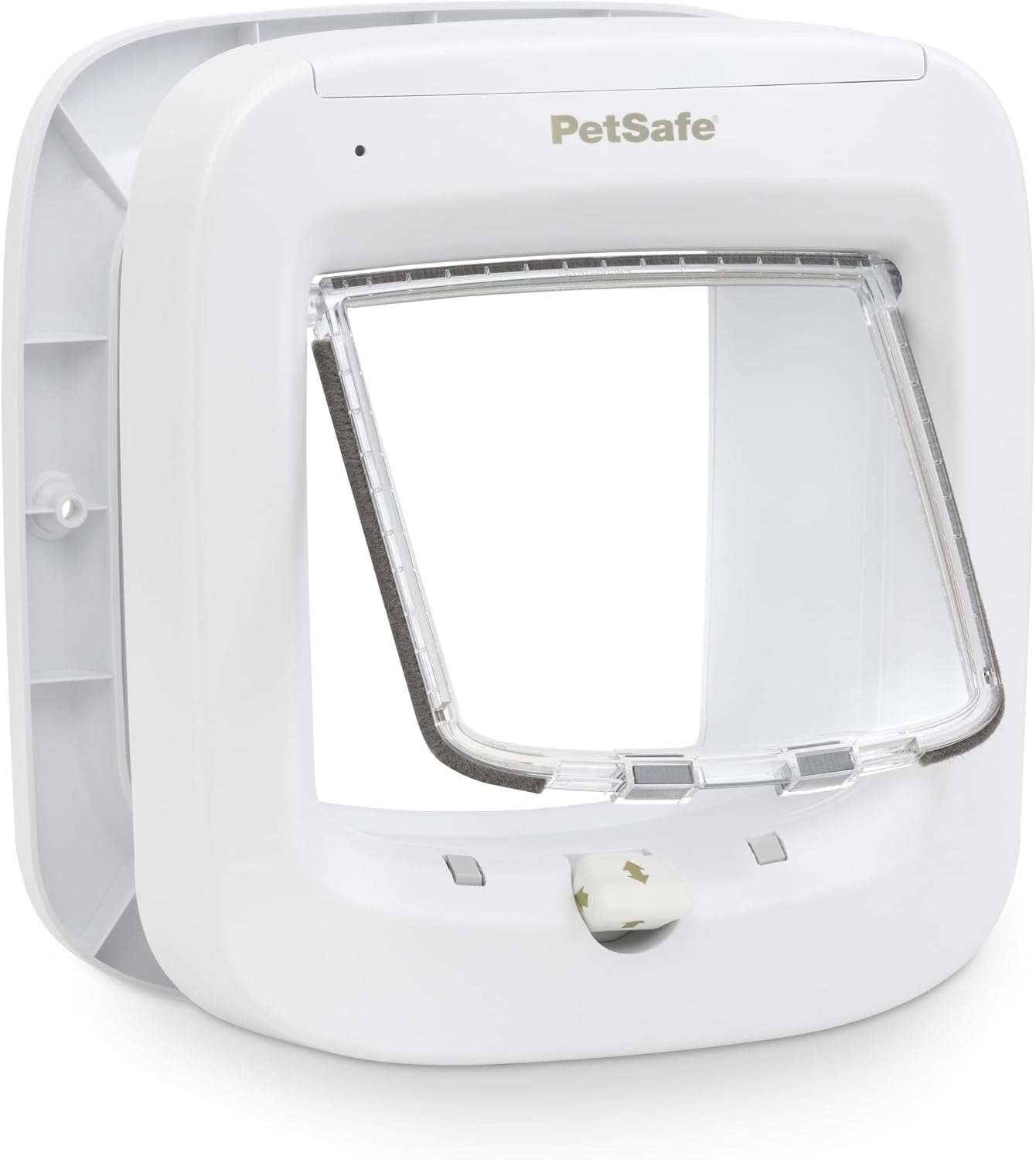
Manual Cat Flaps:
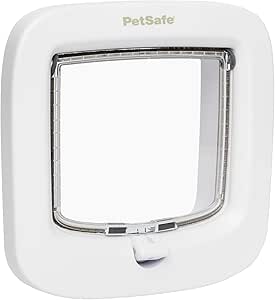
How Microchip Cat Flaps Stay Locked
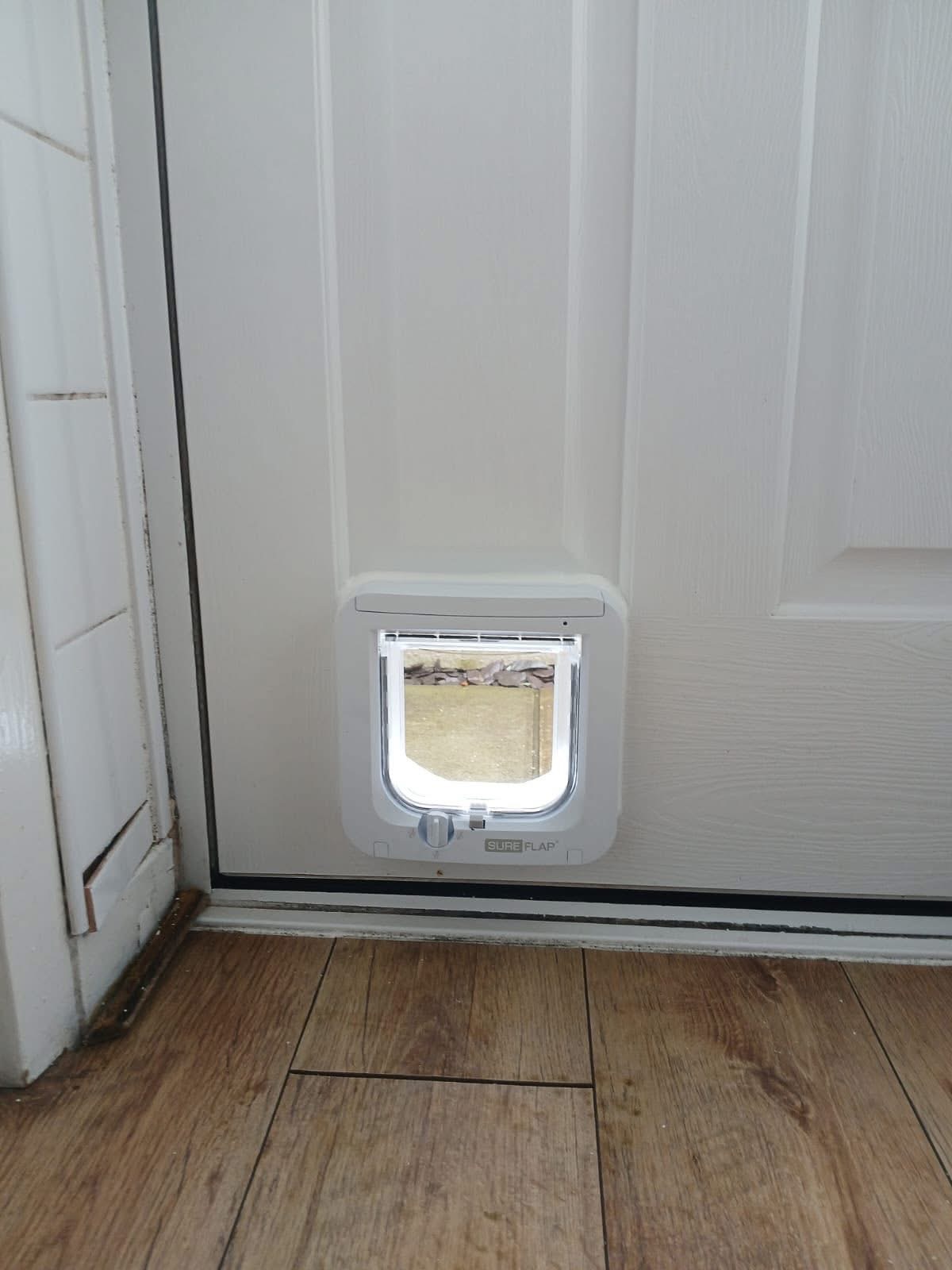
A microchip cat flap like the SureFlap works with an electronic locking mechanism:
- The flap is locked by default — it won't open if pushed from outside
- When your cat approaches, the built-in reader detects their unique microchip
- The lock disengages for a few seconds — just long enough for your cat to push through
- The flap re-locks immediately after your cat passes through
This means the flap is only unlocked for a fraction of a second at a time, and only when your registered cat is right at the door. A human cannot trigger the microchip reader (unless they somehow have your cat's microchip, which isn't possible).
Can Burglars Exploit a Cat Flap?
The theoretical risks (and why they're minimal):
"Could someone reach through and unlock the door?" — With a standard cat flap, no. The opening is too small. With a very large dog flap, this becomes a more realistic concern — but we're talking about cat flaps here.
"Could a child climb through?" — A standard cat flap is far too small. Even a large pet door would be extremely difficult for anyone but a very small child.
"Could someone use a tool through the cat flap?" — Theoretically, but this applies to letterboxes too, and letterboxes are typically larger and more accessible. Letterbox security covers are available for high-risk areas.
"Could someone hack the microchip?" — No. Your cat's microchip uses a unique 15-digit ISO number that can't be cloned or spoofed by any consumer device. Read more about how microchip security keeps other animals out.
Tips for Maximum Security
If security is a priority, here are some additional steps:
• Choose a microchip cat flap — always locked unless your cat triggers it
• Position the cat flap low — as far from the door lock as possible (this is standard installation practice)
• Use the curfew/lock function — lock the cat flap at night when you're asleep. The SureFlap has a manual lock; the SureFlap Connect can be locked remotely via the app
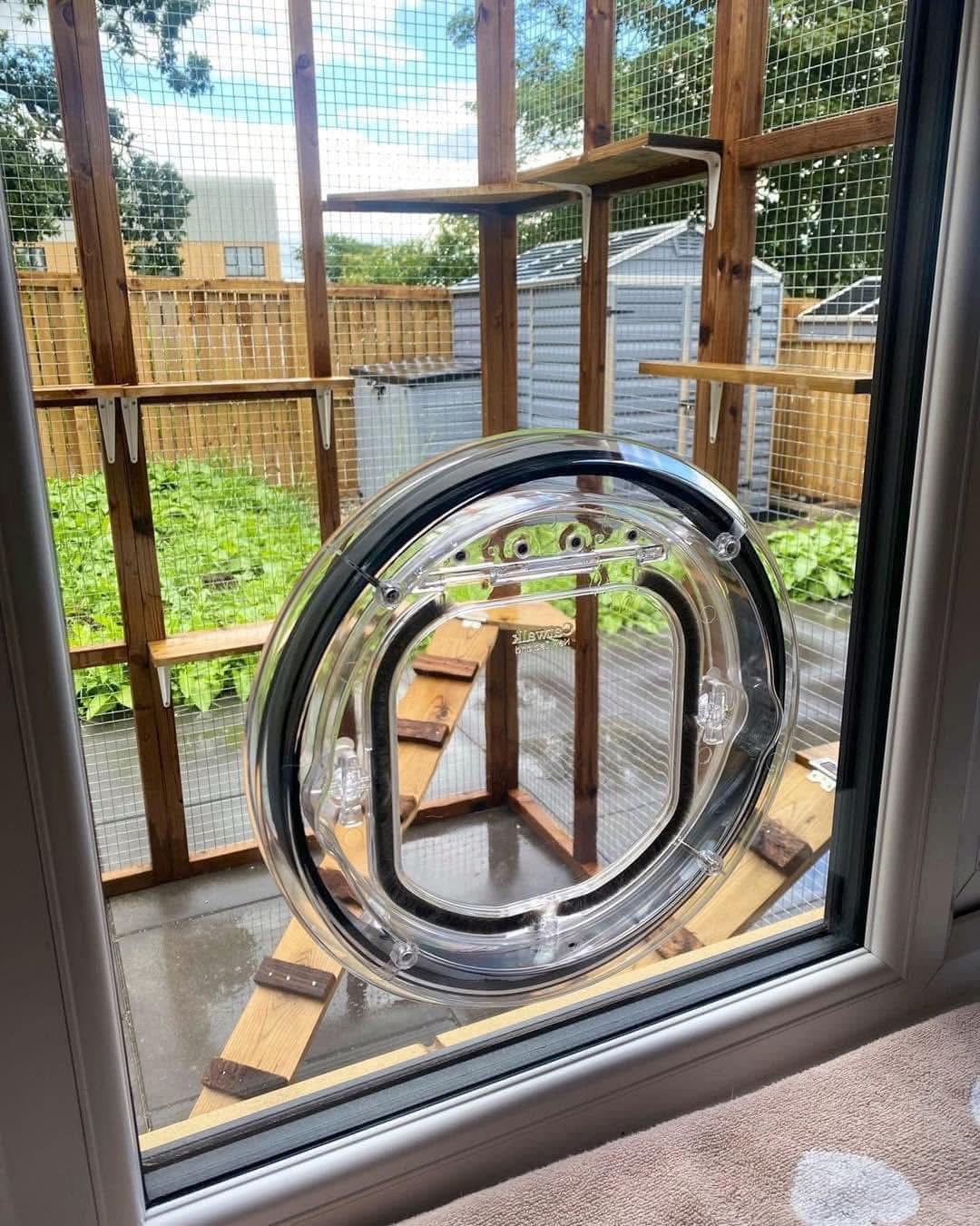
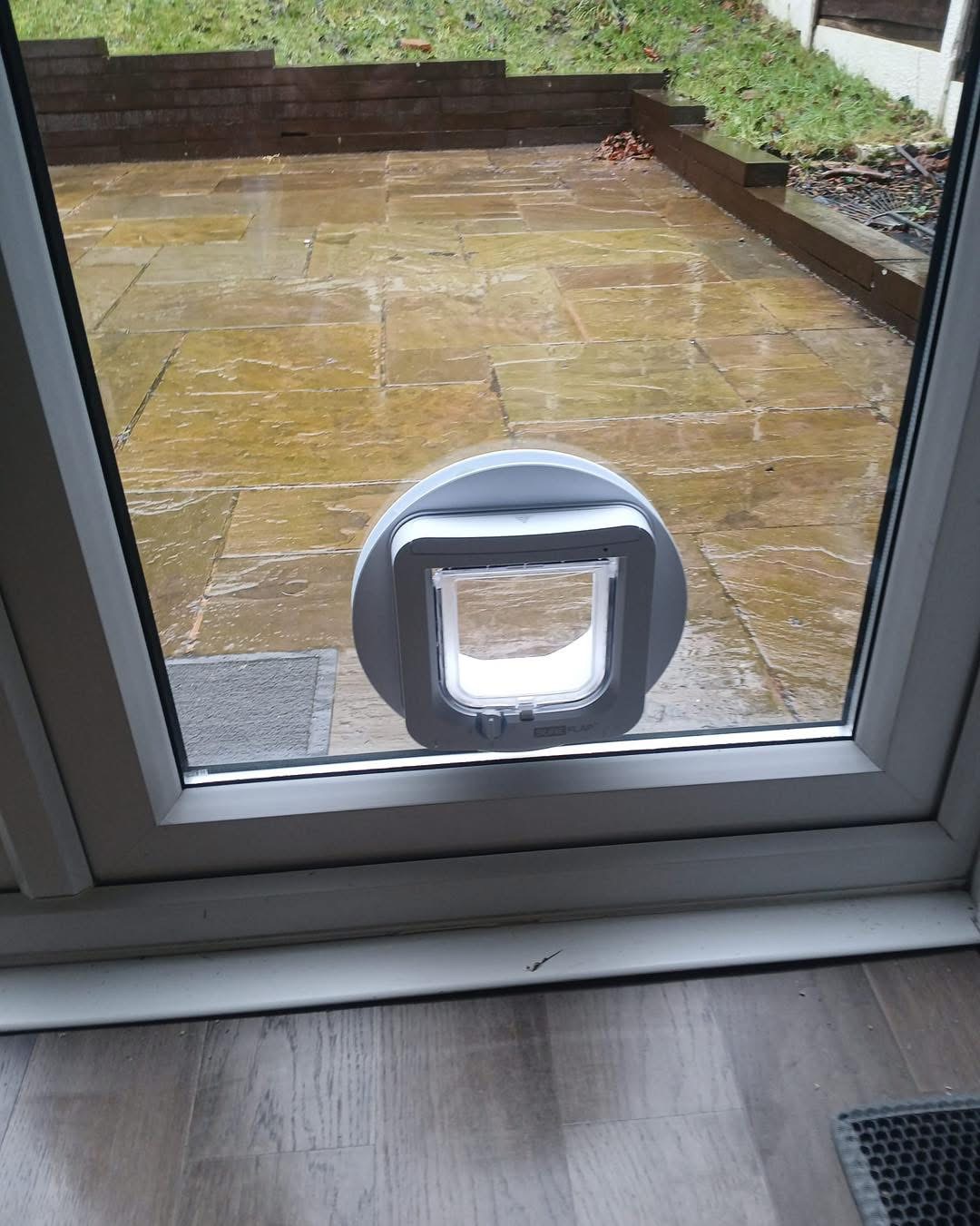
• Consider a window installation — fitting the cat flap in a window rather than a door keeps your door intact. See our window cat flap guide
• Avoid very large dog flaps — stick to cat-sized openings unless your pet genuinely needs the larger size
What Do Insurers Say?
Most home insurance policies do not exclude cat flaps, and fitting one should not affect your cover. However, if you're concerned, it's worth checking your specific policy or calling your insurer. A microchip cat flap with an electronic lock is more secure than a basic manual flap.
We've never had a customer report an insurance issue related to their cat flap installation.
Get a Secure Installation
Professional installation ensures your cat flap is positioned correctly, sealed weathertight, and fitted securely. We install across Cheshire, Staffordshire, North Wales and the wider North West. Get a free quote today.