Cat Flap Draughts — 9 Fixes That Actually Stop the Cold Air
Quick Diagnosis: Where Is the Draught Coming From?
Light a match or use an incense stick on a cold, breezy day and hold it around the flap. Watch the smoke:
• Smoke pulled through the flap itself → magnet or seal problem (fixes 1–4)
• Smoke pulled around the outside of the frame → installation/sealing problem (fixes 5–7)
• Smoke moving at the bottom of the door, not the flap → the flap isn't your problem; it's the door sweep
Nine out of ten 'draughty cat flap' complaints we're called to are actually one of the first four. They're all fixable in under twenty minutes without replacing anything.
1. Weak or Demagnetised Magnets
Every quality flap holds shut with a magnet in the flap and a striker plate in the frame. Over 3–5 years — and much faster in salty coastal air — magnets weaken and the flap sits a millimetre proud.
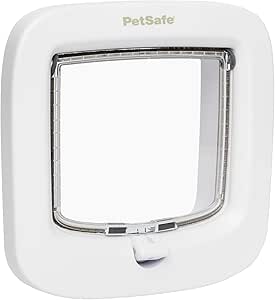
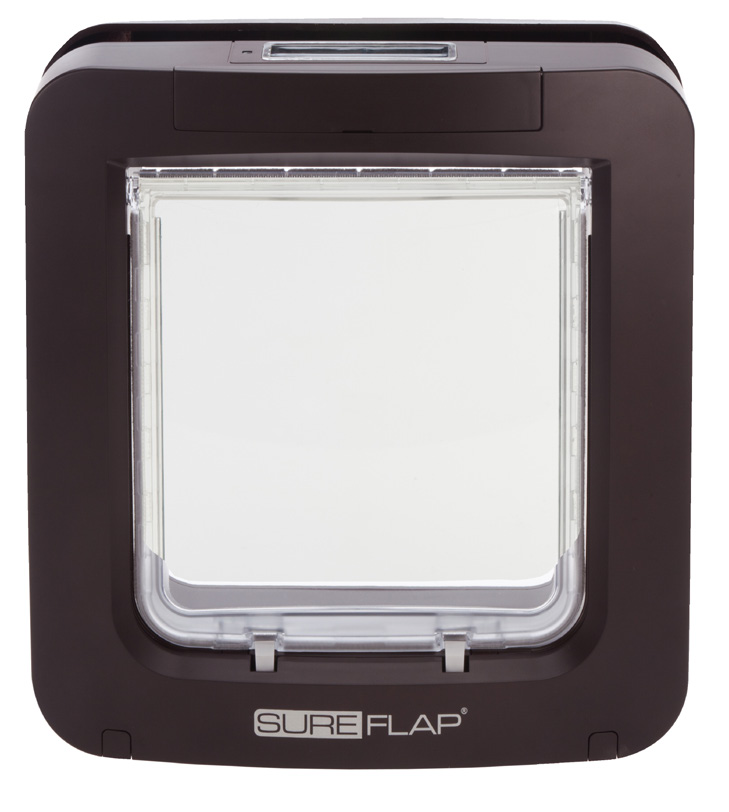
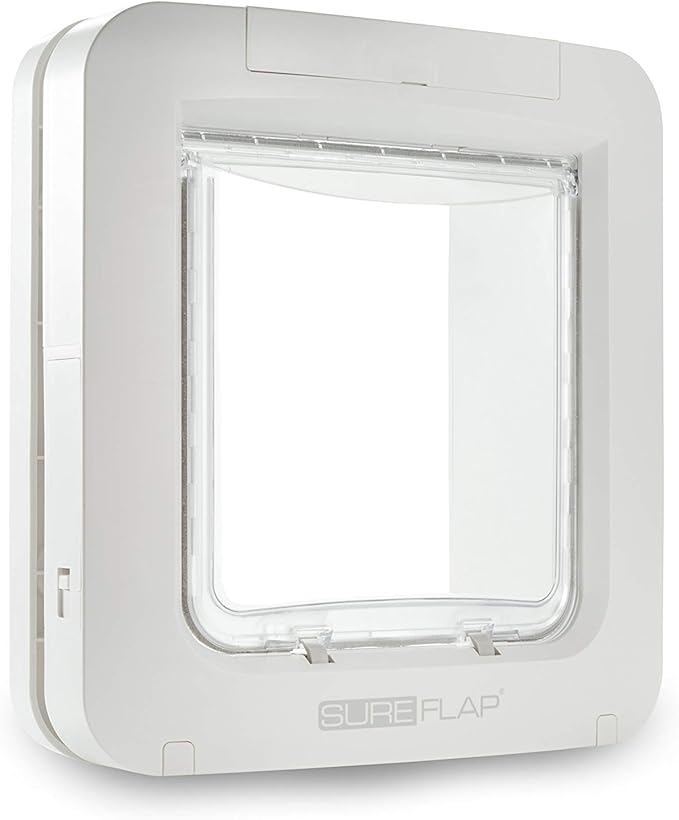
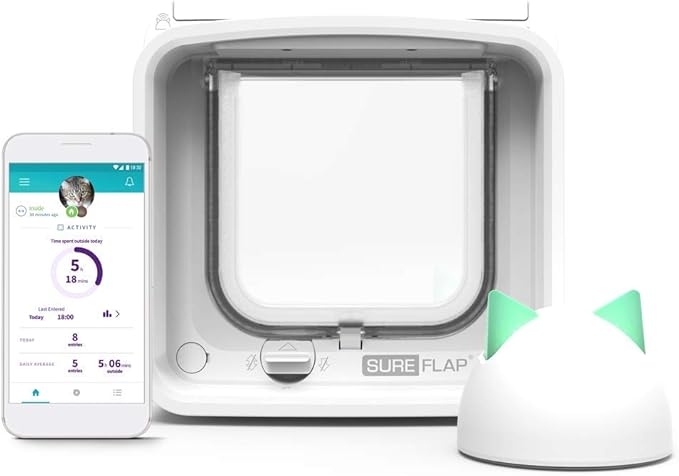
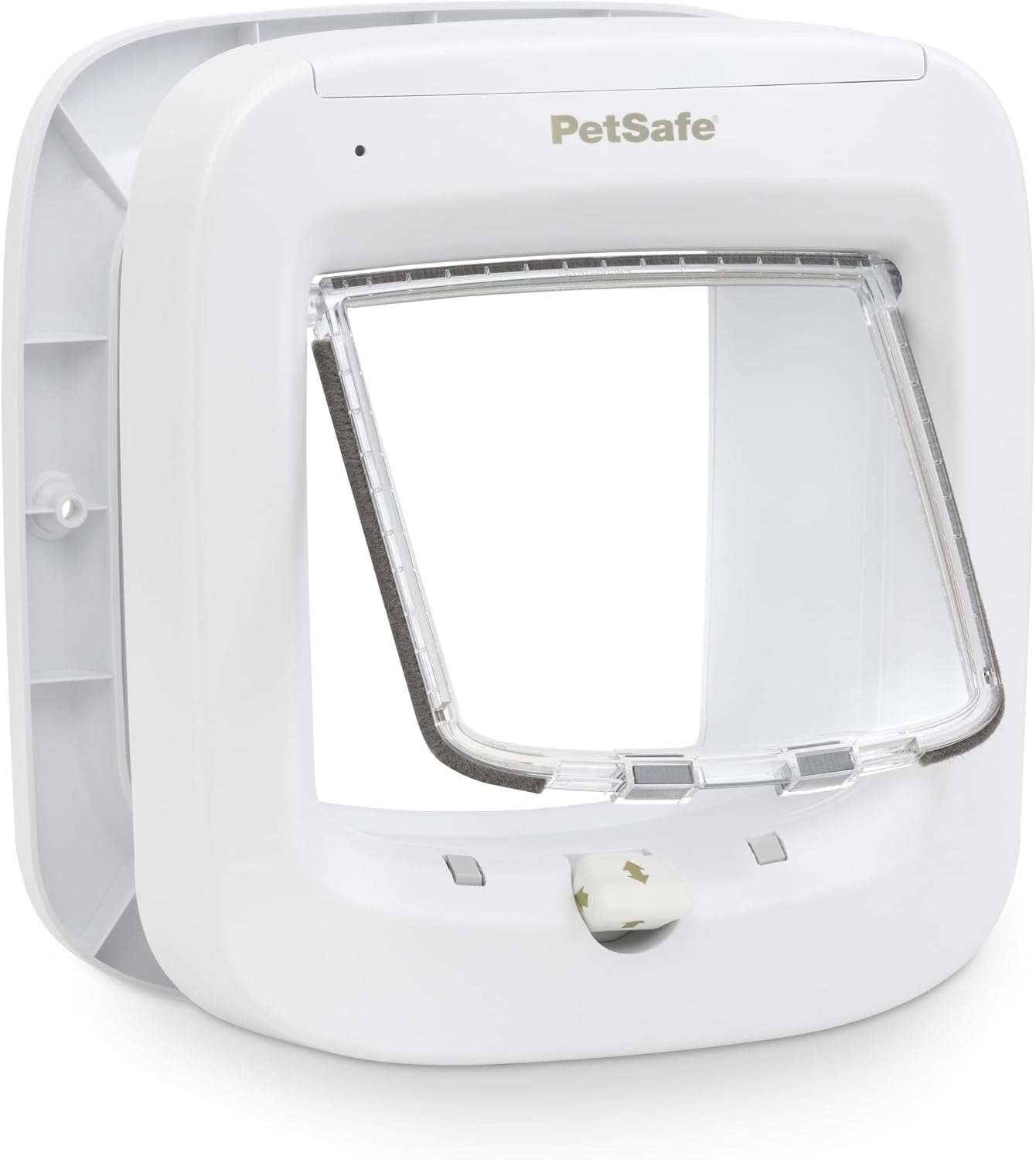
Fix: most SureFlap and PetSafe models have a removable magnet strip you can order as a spare for £4–8. Some models let you add a second magnet. Test by holding the closed flap and gently pulling; if there's no resistance at all, the magnet is done.
2. Compressed or Missing Brush Seal
The nylon brush strip along the top and sides is what actually blocks airflow. It compresses flat after a couple of years of a cat barrelling through it fifteen times a day.
Fix: replacement brush strip is a spare part on most models (£5–10) and pushes into a channel — no tools. If your flap didn't come with one, self-adhesive draught-brush strip from any DIY shop works, trimmed 2 mm shorter than the aperture so the flap still swings freely.
3. The Flap Has Warped
Cheap flaps in a south-facing door warp. A warped flap can't sit flush against the seal and you get a permanent 1–3 mm gap along one edge.
Fix: hold a straight edge across the flap. Any visible bow means replacement. This is the single most common failure on sub-£20 flaps and the main reason we recommend spending £40+ on the flap itself even when the fitting is straightforward.
4. Wrong Flap for an Exposed Door
A single-flap unit on a door that catches the prevailing wind will always feel draughty. In exposed positions — coastal North Wales, hilltop Peak District villages — you want a dual-flap or twin-seal design, which traps a pocket of still air between two flaps.
Fix: SureFlap's tunnel extender plus a dual-seal model, or a Pet-Tek heavy-duty door, both handle exposed sites far better. Worth doing at replacement time rather than as a standalone job.
5. Unsealed Frame Perimeter
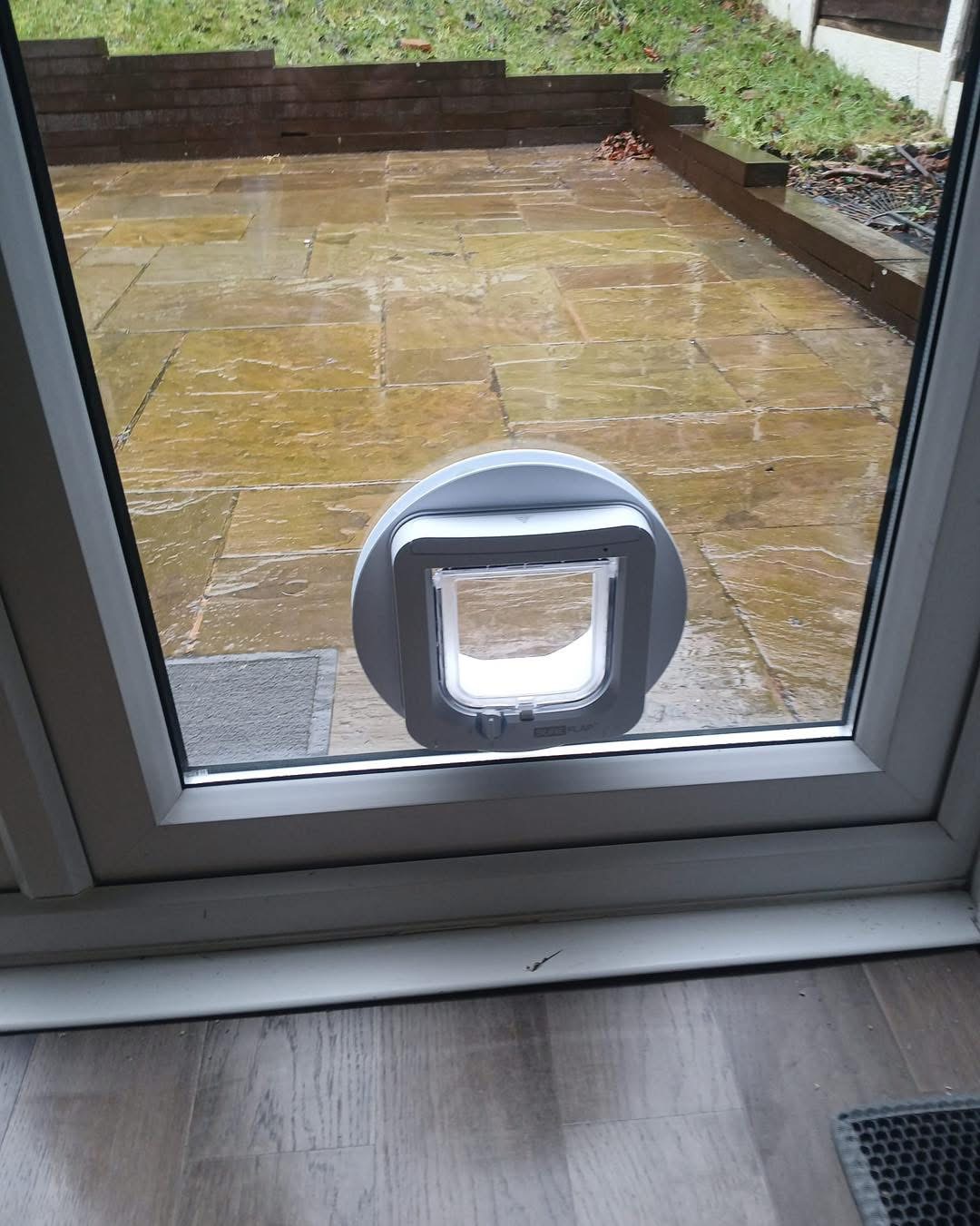
This is the big installer error. If the flap frame was screwed into a uPVC or composite panel without a bead of low-modulus silicone behind the flange, air tracks around the frame — not through the flap — and no amount of brush seal will help.
Fix: run a finger around the inside edge of the frame. If you feel cold air there, the frame needs pulling, cleaning and re-bedding on fresh silicone. Twenty-minute job for a fitter; it should never have been left that way.
6. The Panel Is Flexing
A cat flap cut into a thin composite door skin or a hollow uPVC panel can flex slightly as the cat pushes through. Over time that opens micro-gaps at the corners of the aperture.
Fix: the correct approach is a fitted liner or tunnel section that bridges the panel and clamps front-to-back, spreading the load. Most quality flaps include tunnel extensions for exactly this. If yours was fitted without one on a thick door, that's the cause.
7. Fitted Too Close to the Door Edge
A flap fitted within about 100 mm of the door's edge or lock rail sits in the weakest part of the panel and often can't be sealed properly. It also compromises the door's structure.
Fix: unfortunately this one means repositioning — usually into a new panel or a replacement glass unit. It's the most common problem we see on DIY installs. Our Will It Fit checker will tell you the minimum clearances before you commit.
8. Condensation Mistaken for Draught
Cold air pooling at floor level near the flap sometimes isn't a leak at all — it's cold radiating off a large glazed panel and dropping. The room feels draughty but the flap is sealed fine.
Fix: check whether the sealed unit itself is failing (misting between panes). If the glass is old single glazing or a blown unit, replacing it with a modern low-E unit — which we can supply with the cat flap aperture pre-cut in one go — solves both problems at once. See glass panels.
9. The Flap Is Simply Old
Realistic lifespan of a cat flap in daily UK use is 8–12 years for a good manual, 6–10 years for a microchip model. After that the plastic goes brittle, hinge pins wear oval and the flap rattles in any wind.
Fix: replace. Swapping like-for-like into an existing aperture is our cheapest job type — often well under an hour — because no new hole is needed.
Does a Cat Flap Really Cost You Much Heat?
Some honest numbers. A well-fitted, well-sealed cat flap on a typical UK semi adds roughly the same heat loss as leaving a keyhole open — negligible, in the order of a couple of pounds a year.
A badly fitted one with a 3 mm perimeter gap behaves like a permanently open trickle vent: noticeable in a cold room, and easily £20–40 a year on the gas bill, plus the comfort penalty of cold air across the floor.
The difference is entirely down to the seal, not the existence of the flap. That's the whole argument for professional fitting.
Get It Sorted
If you've worked through the smoke test and the draught is coming from around the frame rather than through the flap, that's an installation fault and it needs re-bedding properly.
We repair and re-seal poorly fitted cat flaps as well as fitting new ones, across North West England, Cheshire, Staffordshire, North Wales and Yorkshire. Every job carries our 3-year workmanship guarantee.
Get a free quote — send a photo of the flap and we'll usually tell you the cause before we visit.
Shop Microchip Cat Flaps on Amazon:
Manual Cat Flaps: