Emergency Cat Flap Repair — What to Do When Yours Breaks
First — Seal It Tonight
If the flap is stuck open, cracked, or the frame has come loose, do this first before anything else:
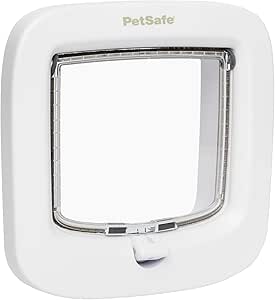
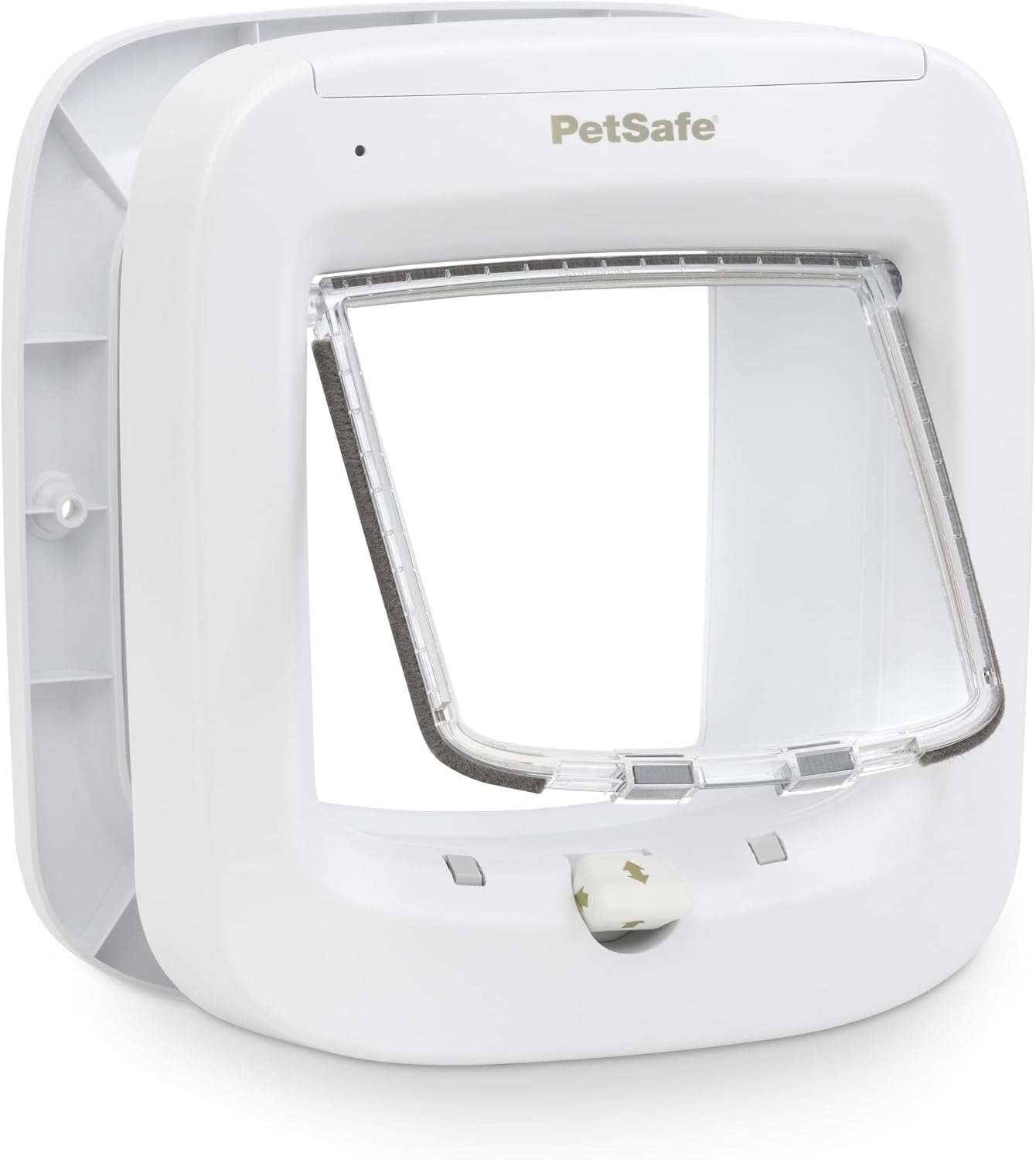
- Close the manual lock (the sliding plastic panel on most SureFlap, PetSafe and Cat Mate models) if it still works.
- Tape a rigid board — a chopping board, book, or thick cardboard — over the flap on the *inside* of the door using strong tape (gaffer or duct tape). This blocks draughts and gives basic security overnight.
- On the outside, tape a bin liner or plastic sheet over the flap opening if rain is forecast.
- Bring the cat inside and keep them in until repair is booked.
This buys you 2–7 days safely while you arrange a proper repair. Do not leave a broken flap unsealed overnight — even a small opening loses significant heat and invites the neighbour's cat, foxes or rain.
The Six Common Failure Modes
1. Flap won't lock (motor whirs but nothing happens) — usually a stripped internal gear on SureFlap models. Flap needs full replacement; not repairable.
2. Flap won't recognise the microchip — 80% of the time this is flat batteries or corroded contacts. See DIY section below.
3. Flap door cracked or shattered — physical damage from cat, weather or attempted forced entry. Flap door alone can sometimes be replaced (SureFlap sells spare flap doors); if the frame is damaged, the whole unit needs replacing.
4. Frame come loose from door — screws have worked loose, or the sealant has failed. Repairable in situ by a fitter in 30–45 minutes.
5. Glass unit around the flap cracked — the toughened glass unit has failed (spontaneously or from impact). The unit must be replaced; the flap itself is usually salvageable. Lead time 1–3 weeks for a new toughened unit.
6. Flap frozen or seized (winter) — condensation has frozen the magnetic seal or hinge. See winter fix in DIY section.
DIY Fixes That Actually Work
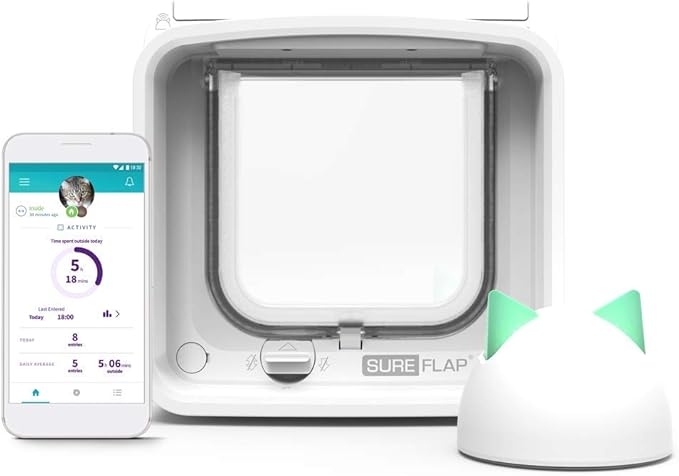
Battery replacement (fixes 60% of "broken" flaps). SureFlap and PetSafe microchip flaps use 4 × AA batteries. Change all four together, use alkaline not rechargeable (voltage is too low on rechargeables), and clean the contacts with a dry cloth. Flap should chirp on power-up.
Microchip re-programming. If the flap has stopped recognising your cat, hold the programme button while the cat pushes through — most models re-learn in a single pass. Full instructions in our cat flap manuals library.
Frozen seal (winter). Wipe the magnetic seal with a warm damp cloth (not boiling water — thermal shock will crack the flap). Apply a thin smear of petroleum jelly to the seal to prevent re-freeze.
Loose frame screws. Only attempt if you can see the screws from inside. Tighten a quarter-turn at a time — over-tightening cracks the plastic frame. If the screws spin freely, the door thread has stripped and a fitter needs to re-set with proper wall plugs or replace fixings.
When to Call a Professional (Not DIY)
Call a fitter for any of the following:
• Glass unit cracked or misted — needs a full toughened-unit replacement. Not a DIY job at any level. See our glass door service page.
• Frame loose from a glass door — the sealant against the glass must be re-done with the correct silicone; wrong silicone attacks the glass edge seal.
• Cat flap frame damaged or shattered — new flap needed, and the aperture in the door often needs re-cutting or trimming for the new model.
• Composite or aluminium door with visible damage around the flap — these doors require specialist tools and drill bits; a badly attempted DIY repair can crack the door skin and void the door warranty.
• Any glass repair on a rented property — landlord will require a professional invoice.
We cover the North West, North Wales, Cheshire, Staffordshire and Yorkshire and can usually book uPVC repairs within 3–7 days and glass repairs within 1–3 weeks (toughened unit lead time). We don't charge emergency callout fees — a repair is quoted at the same rate as a new install.
How Much Does an Emergency Repair Cost?
Battery/seal/screw DIY: free — £15 for a set of batteries.
Fitter callout for frame re-secure (uPVC): typically £60–£90 depending on distance.
Full flap replacement in existing aperture (uPVC/composite): from £60 fitted, plus the cost of the new flap (£30–£100 depending on brand).
Glass unit replacement with existing flap re-used: from £280 including new toughened unit.
Full replacement in a glass door (new flap + new glass unit): typically £320–£450 all-in.
See our cost calculator for an instant estimate for your specific situation. Cheaper than most "emergency glazier" callouts because we book you into the normal schedule — usually within a week.
How to Avoid the Next Failure
Most emergency repairs we attend could have been prevented by:
• Changing batteries every 12 months even if the flap still works — dying batteries corrode contacts and kill the electronics.
• Wiping the magnetic seal monthly with a dry cloth — grit builds up and abrades the flap door.
• Applying silicone spray to the hinge twice a year — prevents seize in winter.
• Never letting kids or the cat sit on the flap — most cracked frames we see are from being stepped on when the door is open.
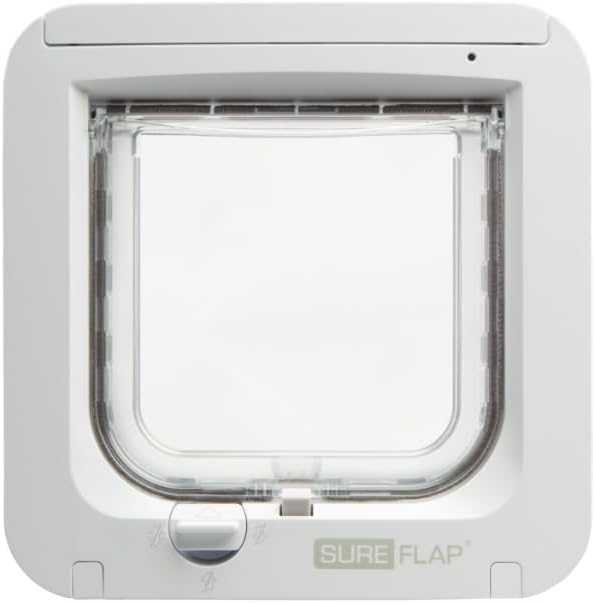
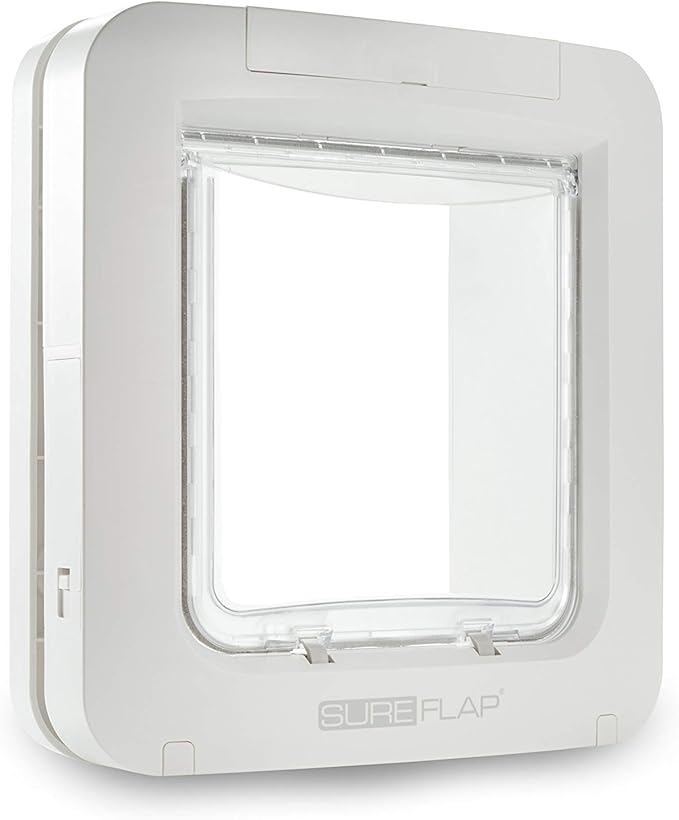
• Choosing a quality flap in the first place. Cheap flaps (£15–£25 Amazon specials) fail inside 18 months in our experience. A SureFlap or PetSafe unit typically lasts 5–10 years with basic care. See our best microchip cat flap 2026 guide.
Need Emergency Help?
Seal the flap using the method above tonight. Then request a quote with a photo of the damage and your postcode — we'll come back within 24 hours with a fixed price and the earliest available date. We fit and repair every major brand into every door type, backed by our 3-year workmanship guarantee.
Shop Microchip Cat Flaps on Amazon:
Manual Cat Flaps: