Cat Flap for Renters: Options That Don't Damage Your Door
The Challenge for Renters
If you're renting, you probably can't cut a hole in your landlord's door without permission. Most tenancy agreements prohibit modifications to the property, and cutting into a door is definitely a modification.
But that doesn't mean a cat flap is off the table. There are several options depending on your situation and your landlord's flexibility.
Option 1: Ask Your Landlord
This might seem obvious, but many renters don't even ask. A surprising number of landlords say yes, especially if:
• You offer to pay for the installation yourself
• You use a professional installer (not DIY)
• You choose a high-quality microchip cat flap that adds value to the property
• The door is UPvc — a cat flap in a UPvc door is a minor, clean modification
Tips for asking your landlord:
• Put it in writing (email is fine)
• Explain that a professional installer will do the work
• Offer to have the door panel replaced when you move out (UPvc panels are inexpensive)
• Mention that it's a security-grade microchip flap that locks electronically
Option 2: Window Cat Flap
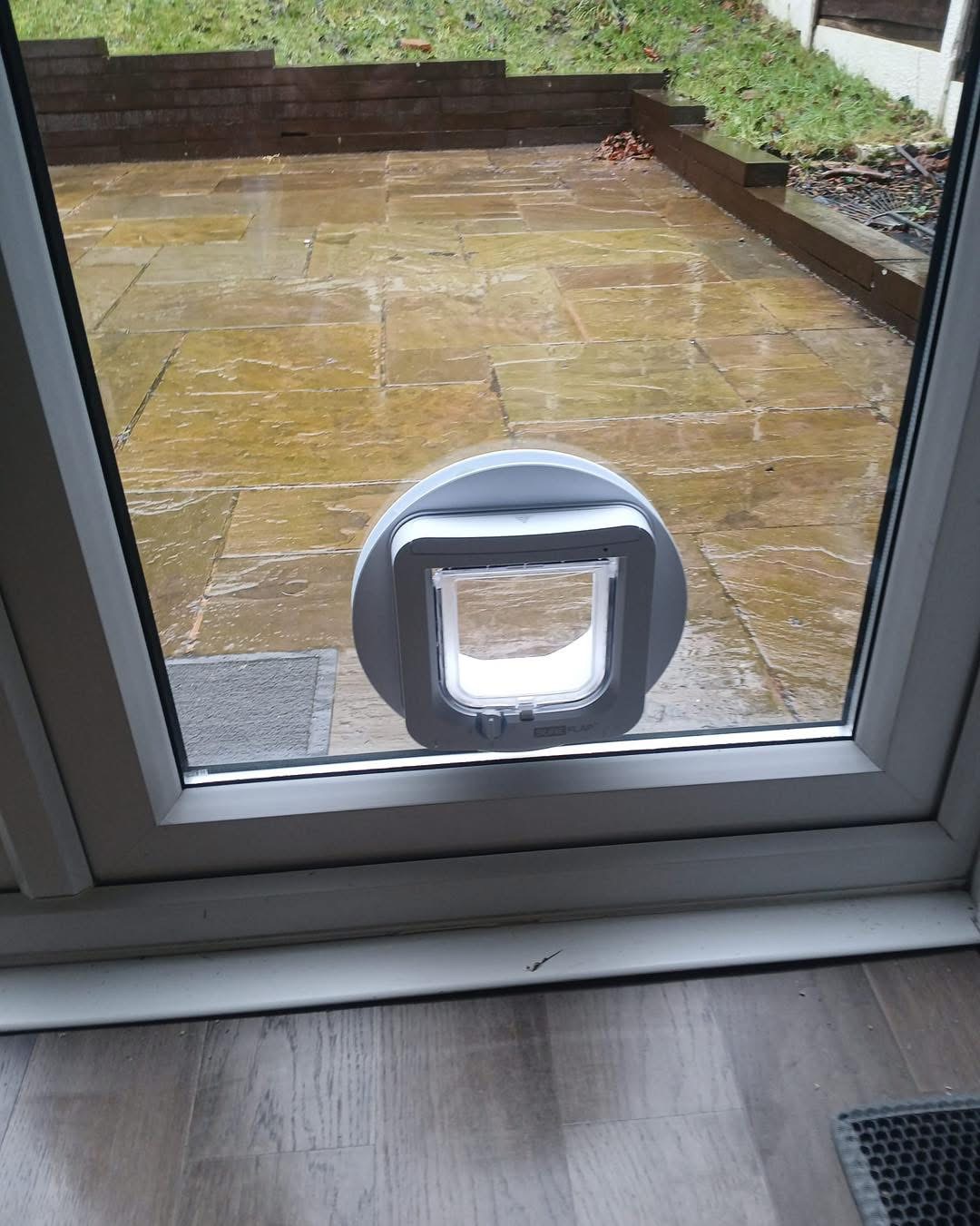
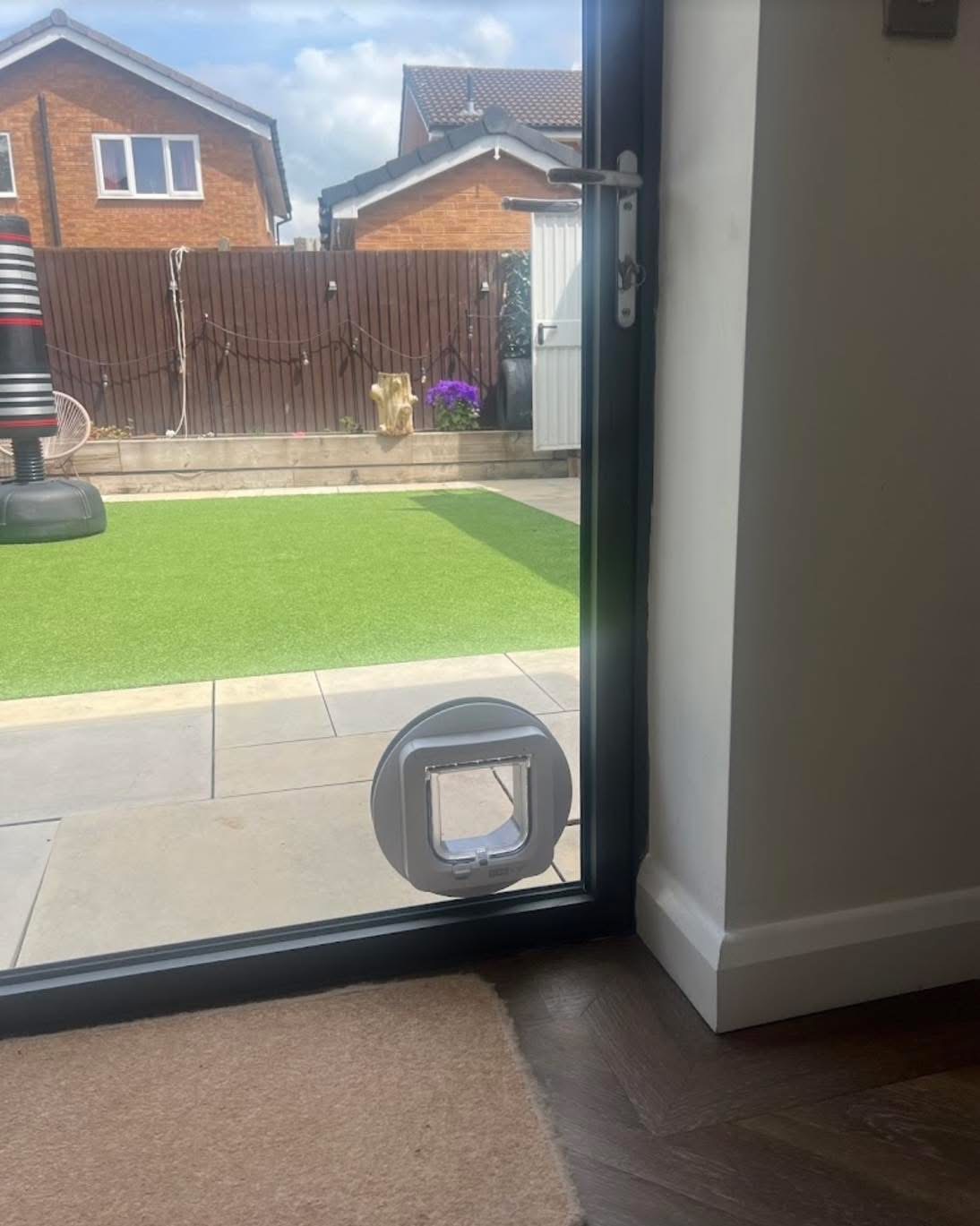
A window cat flap is often the best option for renters because:
• It's reversible — when you move out, the original window pane can be reinstated
• The original pane can be stored — your landlord keeps the original glass, and it goes back in when you leave
• No door modification — the door stays completely untouched
The installation works by replacing one window pane with a new double-glazed unit that has the cat flap built in. When you move out, the original pane goes back. See our detailed window cat flap guide.
This is our most recommended option for renters. It's fully professional, weathertight and completely reversible.
Option 3: Sliding Window Panel Insert
If you have a sliding sash window, you can buy a cat flap panel that slots into the window opening:
• The panel sits in the window frame when the window is slightly open
• The cat flap is built into the panel
• When you move out, remove the panel and close the window — zero damage
The downside is that these panels can be draughty, less secure than a proper installation, and they only work with certain window types. They're a decent temporary solution but not as good as a proper window or door installation.
Option 4: Replace a UPvc Door Panel
UPvc door panels are relatively inexpensive (typically £30–£60 for a standard panel). Some renters choose to:
- Buy a replacement UPvc panel
- Have the cat flap fitted in the new panel
- Store the original panel safely
- Swap the original panel back when they move out
This gives you a proper door cat flap installation that's fully reversible. We can handle the whole process for you. See our UPvc cat flap guide for more details.
What About Deposit Deductions?
If your landlord agrees to a cat flap and you leave it in place when you move out, this is usually fine — the landlord benefits from the improvement.
If you need to reverse the installation, keep the original door panel or window pane safe. As long as everything is restored to its original condition, there should be no deposit deduction.
Get any agreement with your landlord in writing to protect yourself.
Get Advice for Your Situation
Every rental situation is different. If you're unsure about your options, get in touch and we'll advise based on your specific door/window type and tenancy situation. We cover Cheshire, Staffordshire, North Wales and the wider North West.
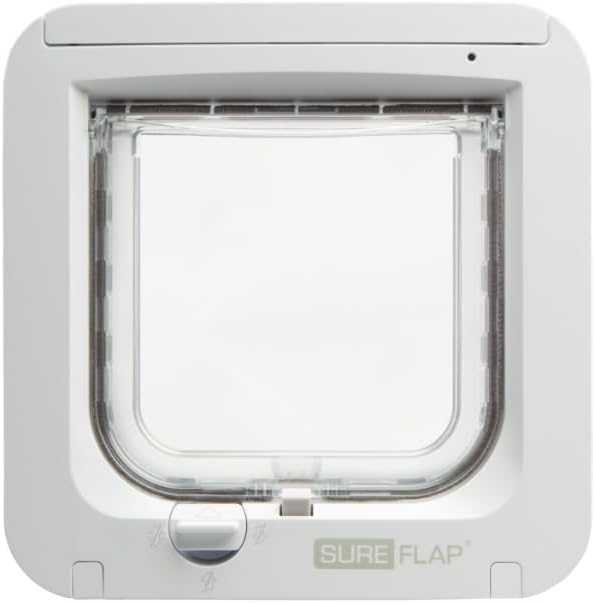
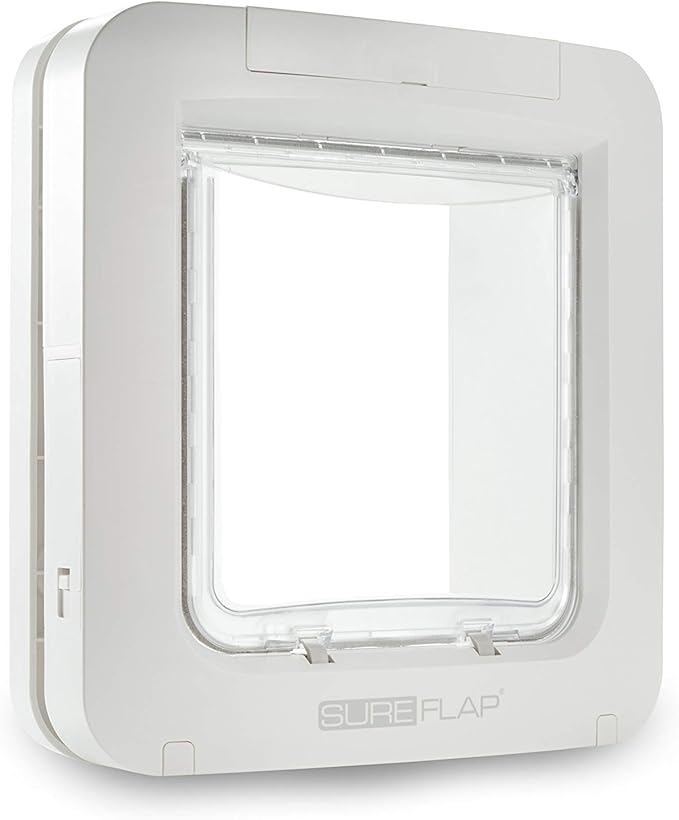
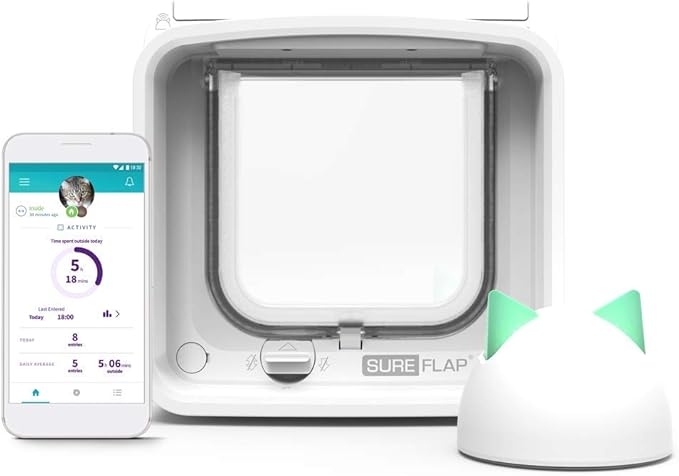
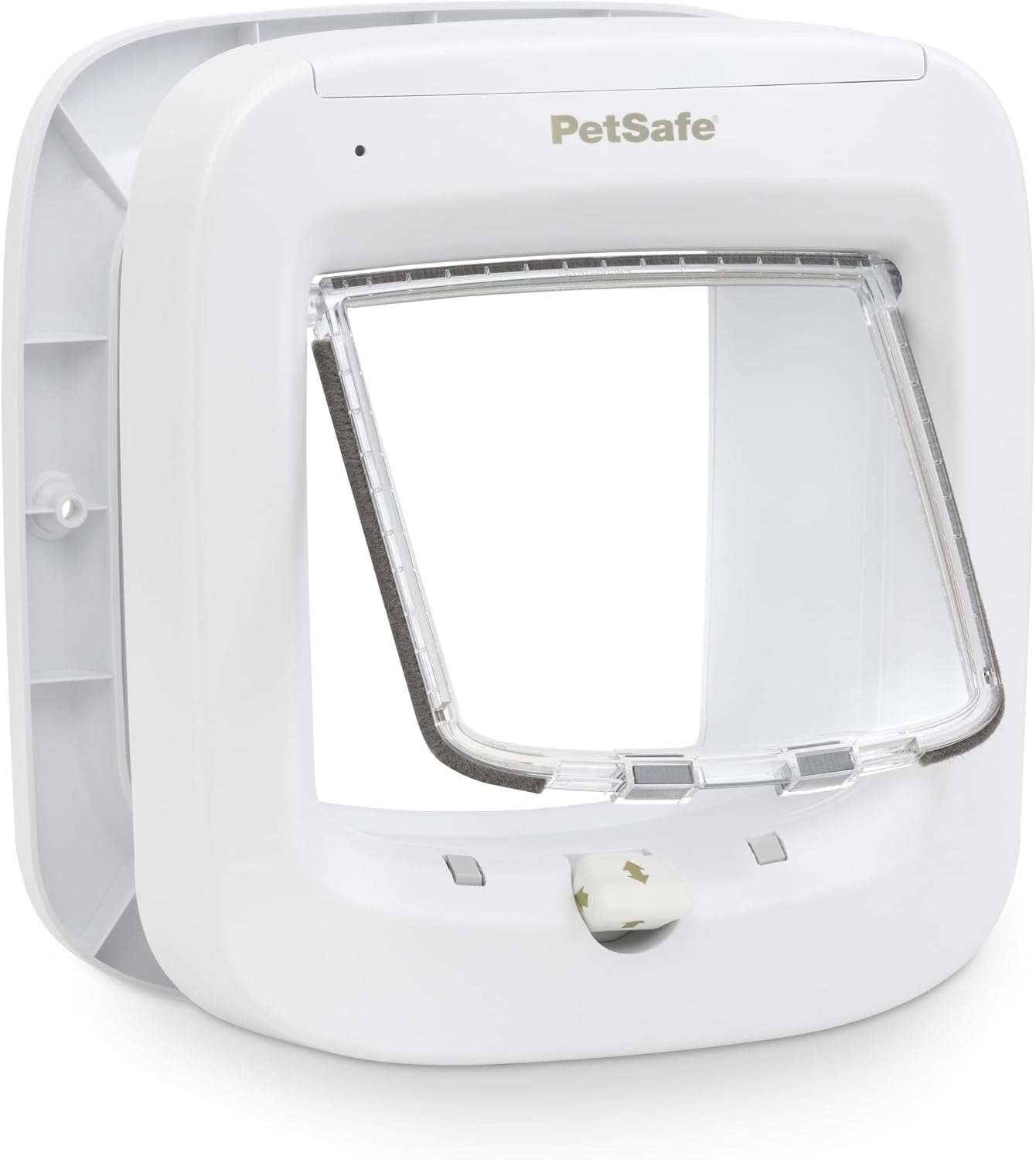
Shop Microchip Cat Flaps on Amazon:
Manual Cat Flaps: