Cat Flap in a Rented Property: Your Rights as a Tenant (And What Landlords Actually Think)
The Short Answer
You can install a cat flap in a rented property, but you need the landlord's permission first. Fitting one without consent is a breach of most tenancy agreements and can lead to deductions from your deposit — or worse.
The good news: most landlords are more reasonable than tenants expect, especially if you offer a reversible installation (where the original door or glass unit can be restored when you move out).
We've fitted cat flaps into dozens of rental properties across the North West. The conversation with the landlord is almost always easier than tenants fear — here's how to have it.
What Your Tenancy Agreement Actually Says
Most UK tenancy agreements (ASTs) contain a variation of this clause:
> *The Tenant shall not make any alterations, additions, or improvements to the Property without the prior written consent of the Landlord.*
A cat flap is an alteration. Even a 'no-drill' adhesive flap counts, because it modifies the door or window.
What this means in practice:
• You need written permission before any work begins
• Verbal permission is risky — get it in an email or letter
• The landlord can refuse, but most won't if you approach it correctly
• If you fit one without permission, the landlord can deduct repair costs from your deposit, or in extreme cases pursue damages
Check your agreement specifically for:
• 'Alterations' clauses
• 'Fixtures and fittings' clauses (a fitted cat flap may become the landlord's property)
• 'Pets' clauses (some agreements allow pets but not physical modifications)
If your agreement is ambiguous, ask your letting agent to clarify in writing.
How to Ask Your Landlord (Template Wording)
Here's a proven approach that works for most tenants:
1. Lead with responsibility *'I'd like to install a cat flap in the back door and wanted to check the best way to do this with your agreement.'*
2. Explain reversibility *'The installer can fit it into a new toughened glass panel that simply swaps into the existing frame — the original panel is kept safe and can be reinstalled when I move out, leaving no trace.'*
3. Offer to pay *'I'm happy to cover the full cost of installation and the replacement panel. I can also arrange for the original to be stored and reinstated at my expense when the tenancy ends.'*
4. Mention professional fitting *'The installer is insured and provides a written method statement. They're a specialist, not a handyman, and the work is guaranteed.'*
5. Suggest a time-limited trial *'If you'd prefer, we could agree that the flap stays for the duration of my tenancy and the original panel is reinstated at checkout. I'll cover both installations.'*
Landlords respond well to tenants who take responsibility, offer to pay, and preserve the property's value. The key fear most landlords have is that a DIY job will damage the door — which is why mentioning a professional installer matters.
Reversible Installation: The Key to Landlord Approval
A reversible installation means the property can be returned to exactly its original state. This is the single most persuasive point you can make to a landlord.
For glass doors and windows:
• We measure the existing double-glazed unit
• Order a new toughened panel with the cat flap hole pre-cut
• Fit the new panel into the existing frame (the frame isn't touched)
• Store the original panel safely (usually with us or in the tenant's garage/shed)
• At end of tenancy, swap the original back in
• The property looks exactly as it did on day one
For UPvc panel doors:
• We remove the existing bottom panel from the door
• Order a replacement panel with the cat flap aperture pre-cut
• Fit the new panel and keep the original
• At checkout, swap back
For composite and wooden doors: Reversibility is harder because the door slab itself is cut. In these cases, we sometimes recommend fitting into a nearby window or glass panel instead, to preserve the door. If the door must be cut, the landlord needs to understand that a replacement door slab would be required for full reversal.
Cost for reversal: Typically the same as the original installation, because the process is identical — remove, swap, seal. We offer a discounted 'reinstatement' rate for tenants who book both fit and reversal upfront.
What About the Deposit?
The tenancy deposit protection scheme (DPS, MyDeposits, or TDS) allows landlords to claim for damage beyond fair wear and tear. A professionally fitted, reversible cat flap is not damage — but a botched DIY job absolutely is.
To protect your deposit:
• Get written landlord consent before work starts
• Use a professional installer with insurance
• Keep photos of the door/window before and after
• Keep the original panel or component safe
• Arrange reversal and document it with photos
What landlords can legally deduct for:
• Unauthorised modifications (fitting without permission)
• Damage caused by poor installation (torn seals, cracked glass, misaligned frames)
• Failure to restore the property to its original condition
What they cannot deduct for:
• A professionally fitted, landlord-approved modification that is properly reversed
• Fair wear and tear (a well-used cat flap in a door that has been there for years)
If you follow the process above, your deposit is protected.
When the Landlord Says No
Not every landlord will agree. Here are your options if permission is refused:
1. Fit into a freestanding structure If you have a shed, garage or outbuilding with a wooden door, you may be able to fit a cat flap there instead. Many landlords don't mind modifications to non-essential structures, but still ask in writing.
2. Use a window-mounted alternative Some tenants fit a cat flap into a window that opens onto a utility area or enclosed porch, where the modification is less visible and more easily reversed.
3. Wait and negotiate at renewal If you're a good tenant (rent always on time, no complaints), landlords are more likely to agree at renewal than mid-tenancy. Use your track record as leverage.
4. Accept it and use a litter tray Not ideal, but some rental situations simply don't allow for a cat flap. A high-quality litter tray in a utility room or bathroom is a workable alternative for many cats.
5. Move at end of tenancy If a cat flap is non-negotiable for your household, factor it into your next property search. Many landlords now advertise 'pet-friendly' or 'cat flap fitted' as selling points.
What Landlords Actually Worry About
We've spoken to dozens of landlords about cat flaps. Their concerns almost always fall into the same few categories:
1. Damage to the door or frame Solved by: professional fitting, reversible installation, written method statement
2. Security concerns Solved by: explaining that modern cat flaps are lockable, microchip-controlled and too small for human entry. See our burglar myth article for details.
3. Deposit disputes Solved by: clear before/after photos, professional installation, reversal agreement in writing
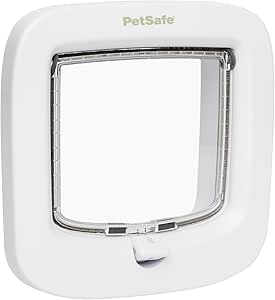
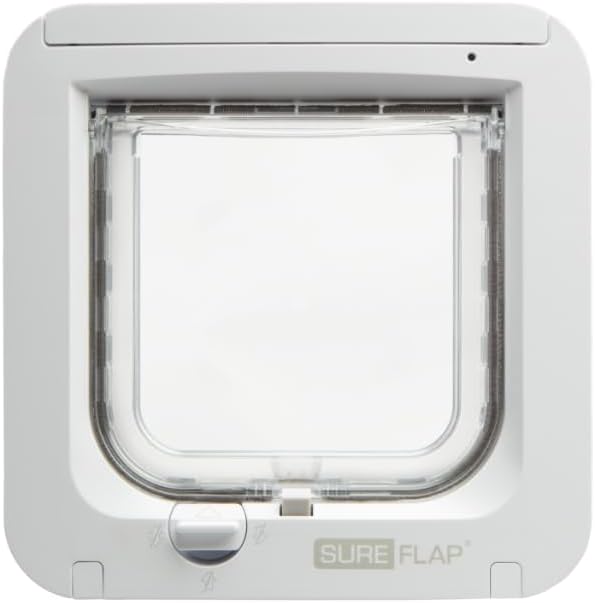
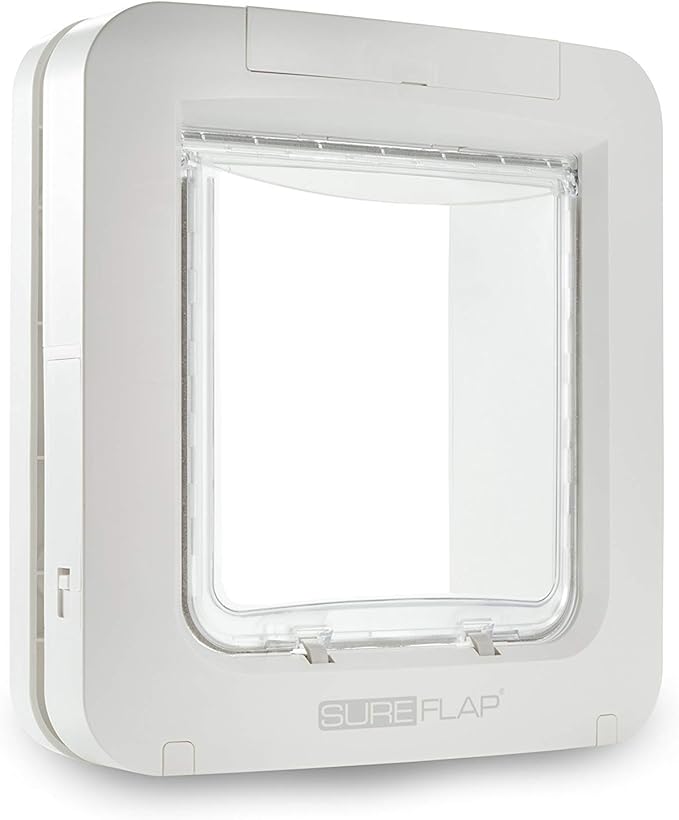
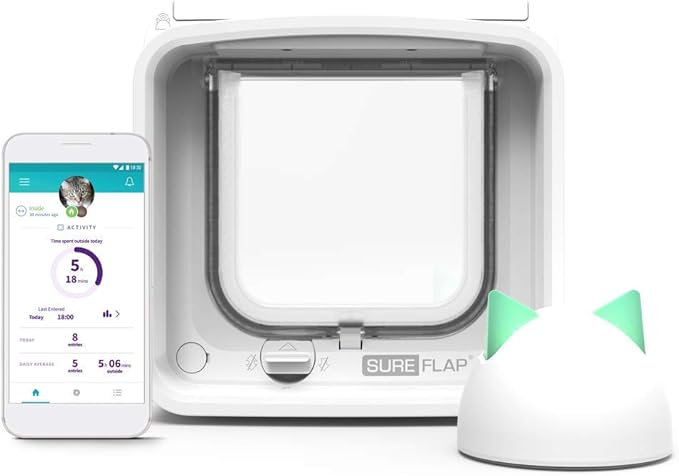
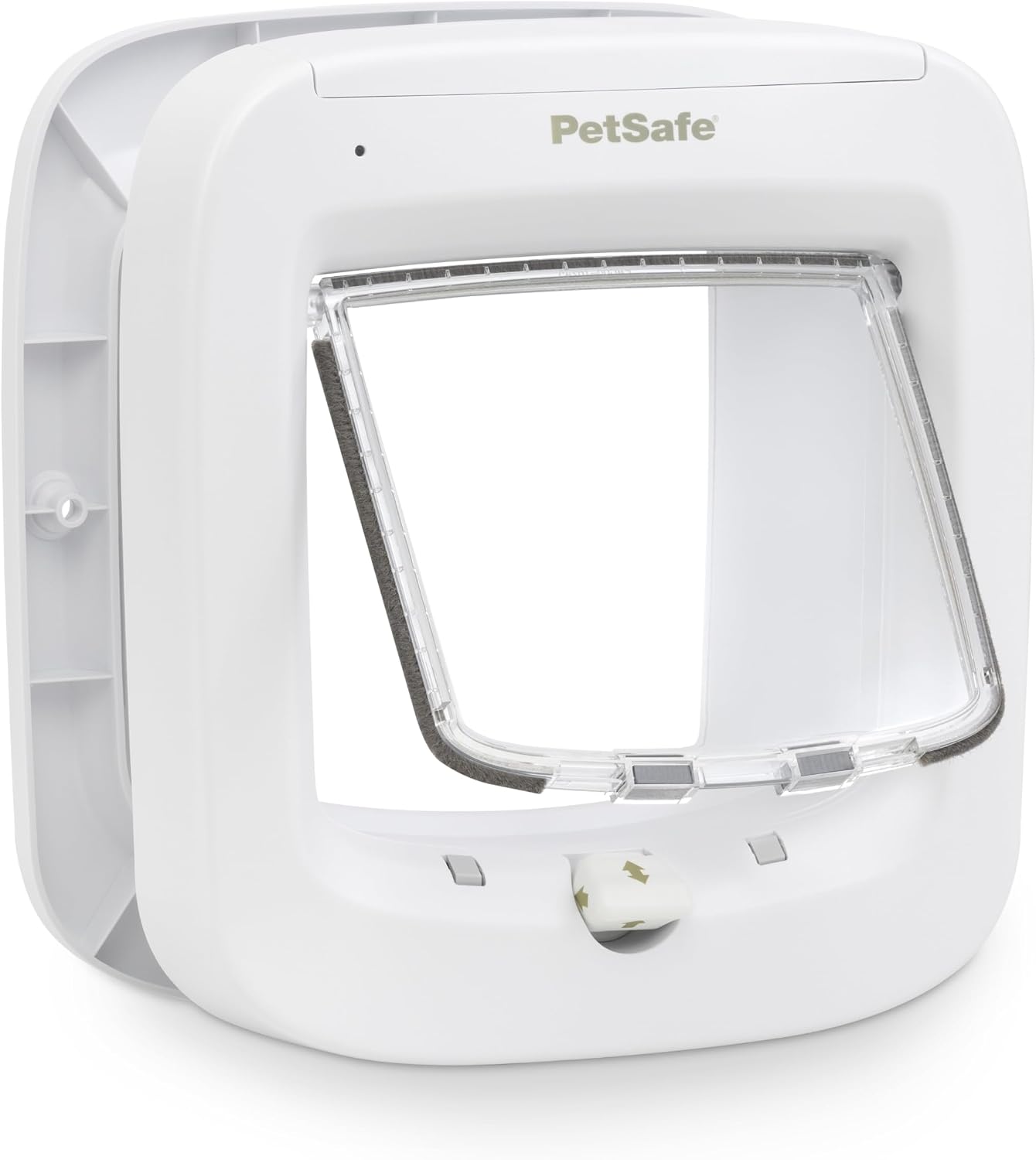
4. Neighbourhood cat problems Solved by: recommending a microchip flap (SureFlap or PetSafe) that only opens for your cat
5. Noise or mess Solved by: mentioning that the cat will be outside more and using litter trays less
If you address these concerns proactively in your initial email, you're far more likely to get a yes.
Our Rental Property Service
We offer a specific service for tenants and landlords:
• Free survey and quote with no obligation
• Reversible glass or panel installation with original component storage
• Written method statement for landlord approval
• Insurance documentation on request
• Discounted reinstatement at end of tenancy if booked upfront
• Coverage across the North West including Manchester, Liverpool, Cheshire, Wirral, Warrington, Stockport, Lancashire, North Wales, Staffordshire and Yorkshire
We've fitted cat flaps into rental properties for tenants of every major letting agent and many private landlords. The process is straightforward, the paperwork is minimal, and the result is a happy cat and a protected deposit.
Request a free quote — mention you're renting and we'll include reversibility options in our reply.
Shop Microchip Cat Flaps on Amazon:
Manual Cat Flaps: