Can You Put a Cat Flap in a Sash Window? What's Possible and What Isn't
Quick Answer
• Modern uPVC or timber double-glazed sash → the flap must go in a new toughened double-glazed unit with the hole pre-cut. Existing toughened glass cannot be cut. Usually only viable in a fixed pane, not a sliding one.
• Original single-glazed timber sash → a glazier can often fit a new pre-cut pane into the existing timber rebate. Cheapest sash route, but only in a pane you don't need to open.
• You want to keep the sash working → don't cut the moving sash. Use a fitted panel in the raised opening (like a portable air-con panel) or fit the flap elsewhere.
• Listed building or conservation area → assume you need consent before altering the window, and check with the council first.
In nine cases out of ten the better answer is a nearby door, side panel or a fixed lower pane.
Why Sash Windows Are Awkward
Three reasons:
- The sash moves. A flap in a sliding sash means the cat's route disappears every time someone opens or closes the window, and the flap's weight and tunnel can foul the frame or the cords.
- The panes are often small. A standard cat flap needs a 170mm circular cut-out plus clearance all round — realistically a pane at least 300mm wide and tall. Many Victorian sashes are divided into panes far smaller than that.
- Cord and weight balance. Adding a flap changes the sash's weight. On a traditional counterbalanced timber sash, that can throw the balance out and mean re-weighting.
Add to that the fact that a window sits higher off the ground than a door, so the cat needs a stable landing platform outside and in.
The Options, Compared
| Option | Works with | Typical cost | Keeps window usable? |
|---|---|---|---|
| Flap in a fixed lower pane (new pre-cut unit) | Timber or uPVC | From ~£280 | Yes — the opening sash is untouched |
| New pre-cut single pane in original timber sash | Original single glazing | From ~£200 | Only if that sash stays shut |
| Insert panel in the raised sash opening | Any | £150–£300 bespoke | Partly — the sash stays raised |
| Flap in an adjacent door | uPVC, composite, timber | From £60 | Yes, entirely |
| Flap in a glazed door panel | Glazed doors | From ~£280 | Yes |
Costs are indicative and depend on the pane size, access and glass spec. Get a free quote with a photo of the window and we'll tell you straight whether it's viable.
The Fixed-Pane Route (Usually the Winner)
Most sash windows have at least one pane that never needs to open — a lower fixed light, a side light, or a sash the household keeps shut anyway. That's where the flap should go.
The process for a double-glazed pane:
- Measure the pane and confirm at least 170mm of clear glass plus margin from the beads.
- Order a new toughened double-glazed unit with the aperture pre-cut to the flap manufacturer's spec.
- Remove the old unit, fit the new one, seat the flap with its gasket both sides.
Lead time on the glass is typically 1–2 weeks, so it's not a same-day job. For single-glazed original timber, it's simpler and cheaper: a new pre-cut pane goes into the existing rebate and is puttied or beaded in.
This is the same process we use for glazed doors — see cat flaps in glass doors.
Listed Buildings and Conservation Areas
If the property is listed, or in a conservation area with an Article 4 direction, altering an original window — including the glazing — may need consent. Councils are generally unenthusiastic about cutting original glass in a front elevation.
Practical approach:
• Use a rear or side window, never a street-facing one.
• Consider a reversible insert panel rather than a permanent cut, which is far easier to justify.
• Ask the conservation officer before ordering anything. It's a free phone call and it saves a wasted glass order.
We don't advise on planning matters — always confirm with your local authority.
Making It Safe and Usable for the Cat
A window flap sits higher than a door flap, so plan the approach:
• Outside: a stable platform, shelf or step so the cat lands on something solid, not a flowerbed. A wobbly platform will put a cat off entirely.
• Inside: the drop matters. Anything over about 900mm needs furniture or a step, especially for older or arthritic cats — see cat flaps for elderly cats.
• Height above ground: a flap reachable from a flat roof or a bin is a route in for other cats. A microchip flap solves that — check your cat's chip with our microchip compatibility checker.
• Security: ground-floor window flaps should be a rigid, well-fixed model. Don't leave the sash unlocked to make the flap work.
The Honest Recommendation
If you have a door within a few metres, fit the flap in the door. It's cheaper, faster, safer for the cat and it doesn't touch the window. A uPVC or composite door install starts from around £60; a glass panel install starts from around £280 because of the new toughened unit.
If a window really is the only route, aim for a fixed lower pane and budget for a new pre-cut unit.
We survey and fit across Cheshire, Greater Manchester, Merseyside, Lancashire, Staffordshire, Yorkshire and North Wales. Check your window or door with Will It Fit, see areas we cover, or send us a photo for a free quote.
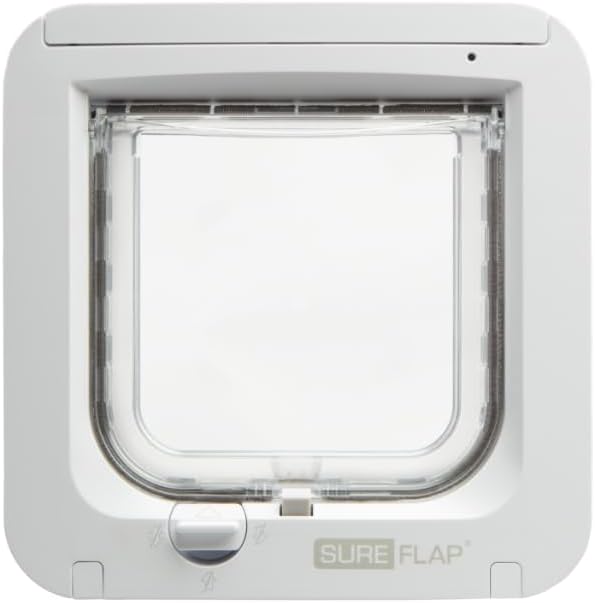
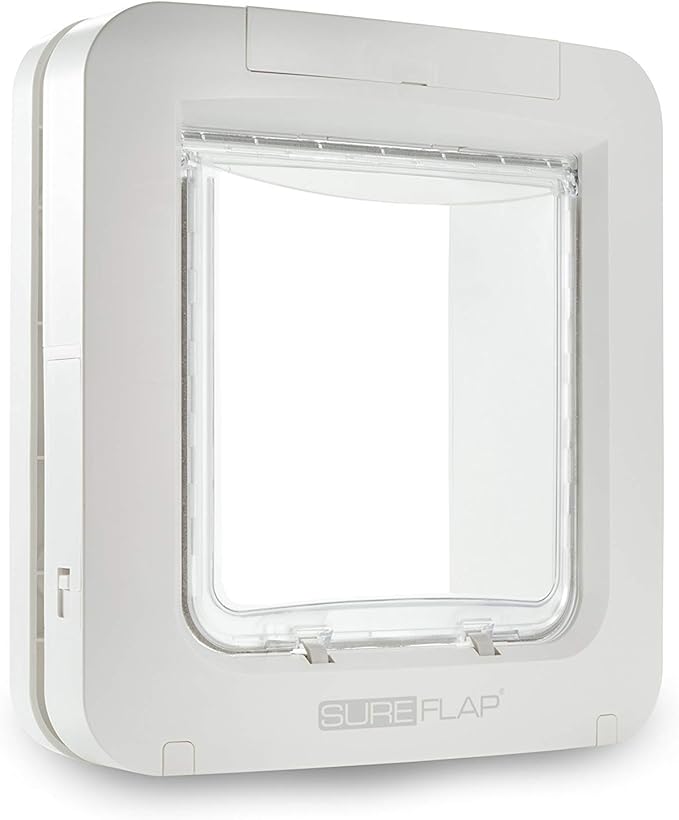
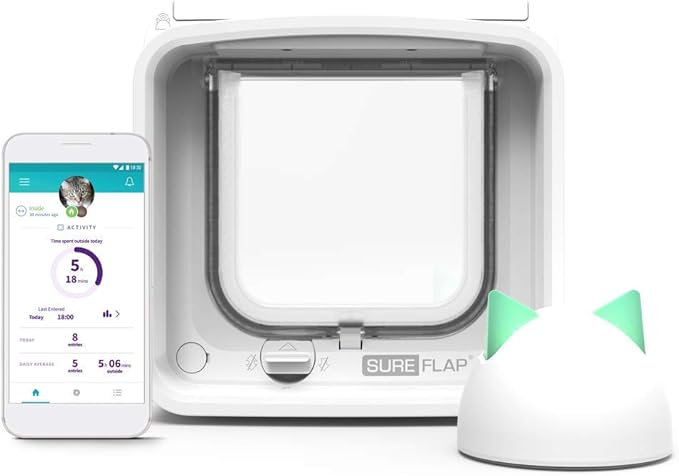
Shop Microchip Cat Flaps on Amazon:
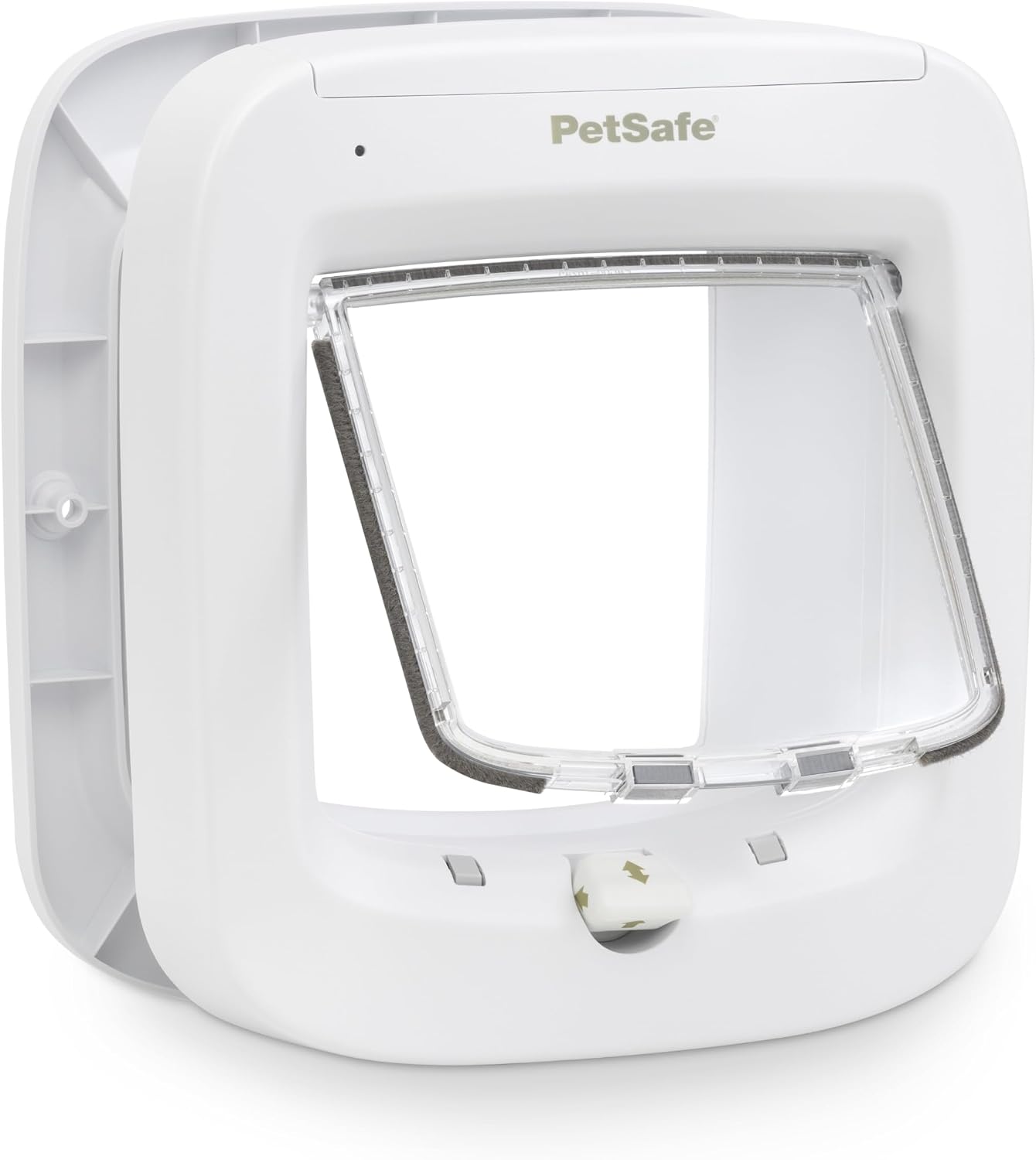
Manual Cat Flaps: