Cat Flap in a Listed Building or Conservation Area — What's Actually Allowed
The Short Answer
If your home is listed (Grade I, II* or II), cutting a cat flap into an original door almost certainly requires listed building consent from your local council — the listing covers the whole building, inside and out, including doors and joinery. Doing it without consent is a criminal offence, not just a planning breach.
If your home is only in a conservation area but not listed, you generally do not need consent for a cat flap in a rear or side door, because it isn't a material alteration to the external appearance. Front doors facing a street can be more sensitive if an Article 4 Direction is in place.
The practical answer for most listed homes: fit into a modern replacement door, a glazed panel, or a secondary/utility door rather than the original historic joinery.
Listed vs Conservation Area — They're Not the Same Thing
People use these interchangeably. They're very different regimes.
Listed building — the *entire* structure is protected, including internal doors, panelling and later additions. Any alteration affecting its 'special architectural or historic interest' needs listed building consent. There is no 'small works' exemption; a 150 mm hole in an original oak door is an alteration.
Conservation area — protects the *character of the area*, mostly external appearance and trees. Permitted development rights still apply to most works. A cat flap in a back door is routinely fine. An Article 4 Direction can remove those rights for specific elevations (usually front-facing), so check with the council's conservation officer.
You can be both: a listed building inside a conservation area. Listed rules always take priority.
How to Check Your Property's Status
Two free checks, five minutes:
- Historic England's National Heritage List (historicengland.org.uk/listing/the-list) — search your address. Wales: Cadw. Scotland: Historic Environment Scotland.
- Your council's planning map — conservation area boundaries and any Article 4 Directions are published online.
Worth knowing: listings cover curtilage structures too — outbuildings, garden walls and boundary gates predating 1948 can be protected even if the listing only names the house.
What Councils Usually Approve
Conservation officers are more pragmatic than their reputation suggests. In our experience across Cheshire, Staffordshire and North Wales, these approaches get approved most often:
• Cat flap into a modern replacement door — if the current back door is a 1990s uPVC or a modern hardwood replacement, it has no historic value. Most officers will confirm consent isn't needed at all.
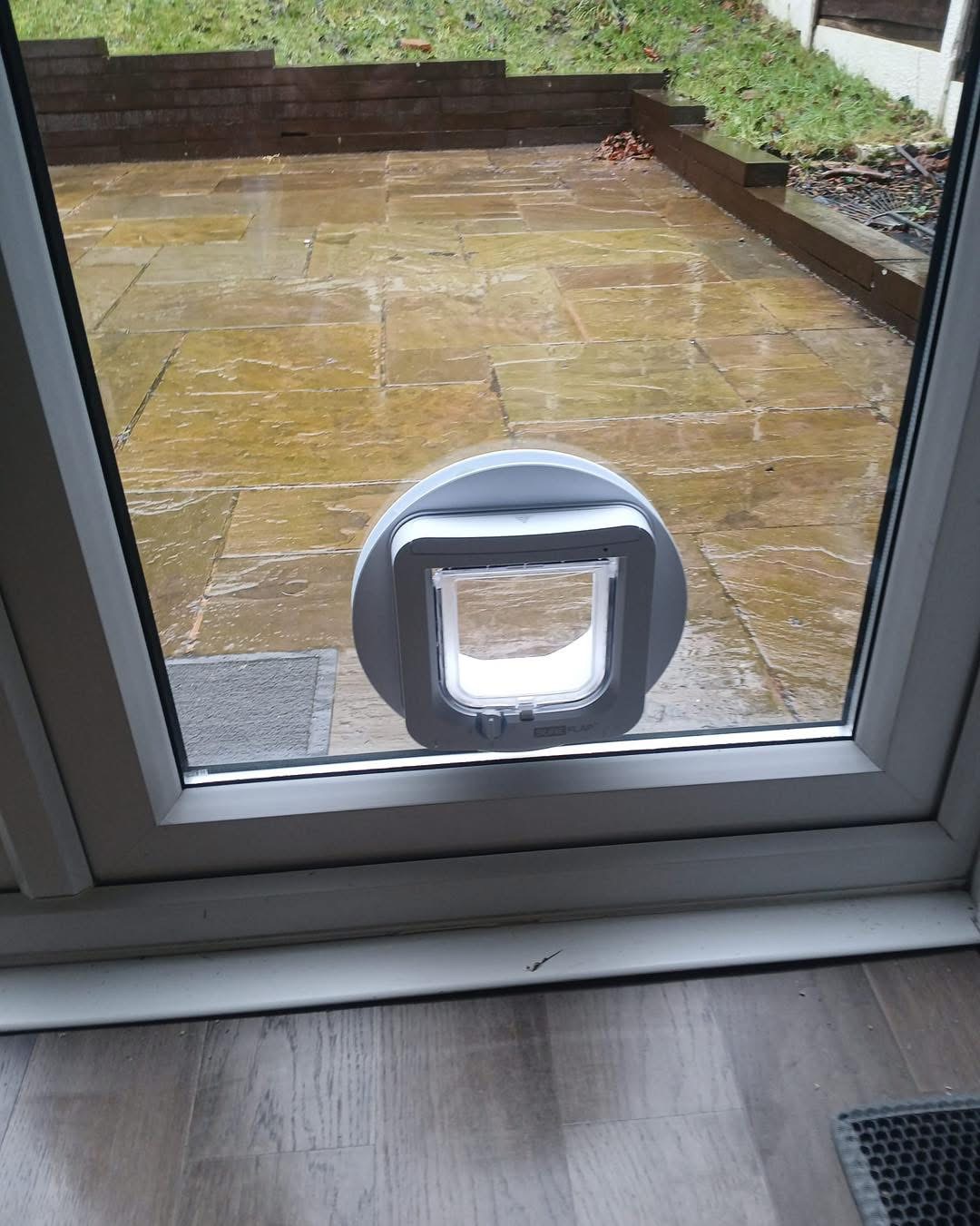
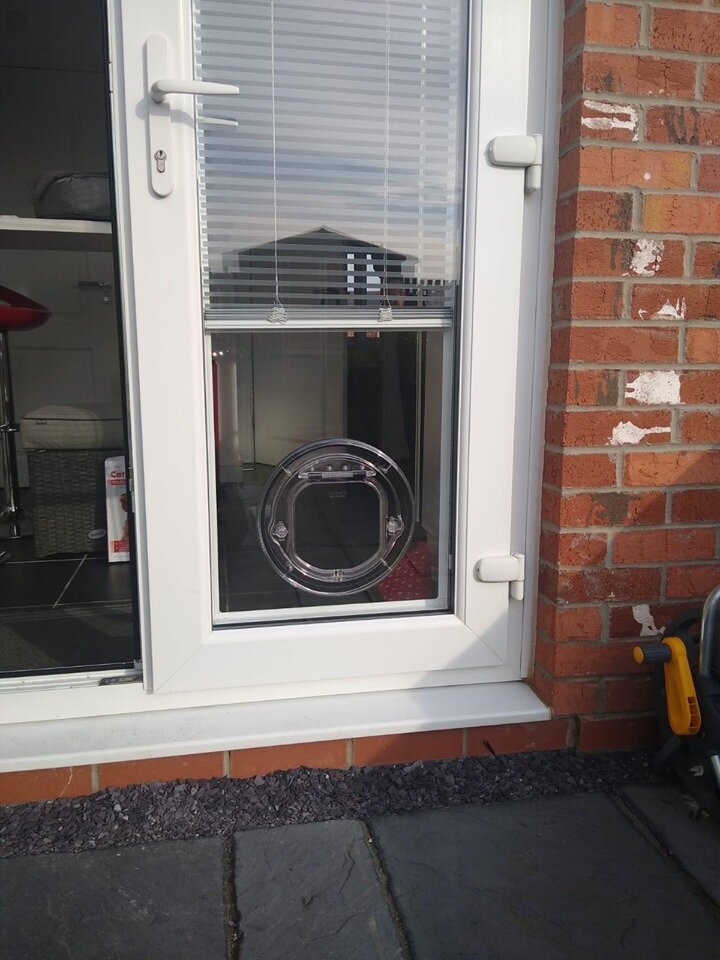
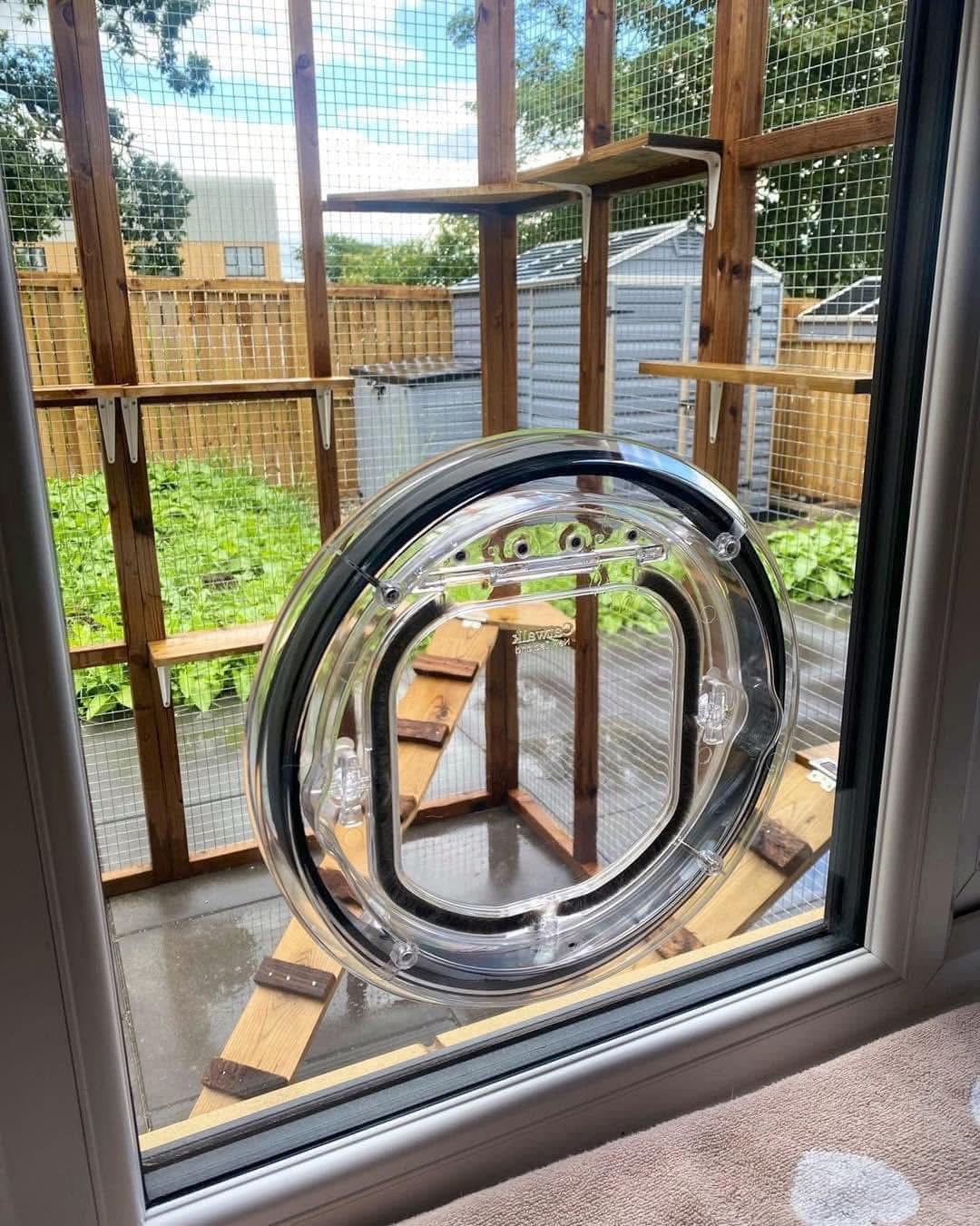
• Cat flap in a glazed panel rather than the timber — the new toughened unit is entirely reversible; put the original glass in the loft and the door is restored in an hour.
• Secondary or utility door — a boot room, scullery or outbuilding door away from principal elevations.
• Cat flap in a modern extension — extensions added post-listing are usually treated far more leniently.
What rarely gets approved: cutting a front-facing original panelled door, cutting original stained or leaded glass, or anything involving a wall (which we don't do anyway).
The Reversibility Principle
Conservation officers judge proposals on reversibility — can the change be undone with no lasting harm to the historic fabric?
A cat flap cut into a 200-year-old door is permanent. A cat flap in a replacement glazed panel is fully reversible: the original sealed unit or pane is stored, and refitting it leaves no trace.
This is why glass-panel installs are our default recommendation for period properties. It's also why we photograph and label removed original glass so it can be reinstated later — worth doing even if you never plan to move.
Read more about how the glass route works in our cat flap in glass door guide.
Applying for Listed Building Consent
If cutting the original door is genuinely the only option:
• Cost: listed building consent applications are free of application fee in England (unlike planning permission). You may pay for drawings.
• Timescale: 8 weeks statutory, often 6 in practice for minor works.
• What to submit: location plan, photos of the door, a scaled drawing showing the flap position and size, and a short heritage statement explaining why the change is minimal and reversible where possible.
• Talk first: most councils offer free or low-cost pre-application advice with the conservation officer. A ten-minute phone call will tell you whether it's worth applying at all.
Doing the work without consent risks an enforcement notice requiring full reinstatement, plus prosecution — unlimited fine and, in serious cases, imprisonment. It also shows up on searches when you sell.
Leasehold, Rented and Housing Association Period Homes
Heritage rules sit *on top of* your lease or tenancy, they don't replace it.
• Tenants — always get written landlord permission. See our cat flap for rented property guide.
• Leaseholders — leases in period conversions commonly forbid alterations to the external envelope; freeholder consent is separate from council consent and you need both.
• Housing associations — many have a blanket policy on listed stock. Ask for it in writing before you commission any work.
We'll happily supply a written method statement describing exactly what's being altered — landlords and freeholders approve far more readily when they can see the work is reversible.
What We Actually Do on Period Properties
Our approach on any listed or conservation-area job:
- Survey first — we identify which doors are original and which are later replacements. Very often the door the customer assumed was Georgian turns out to be a 1980s copy.
- Recommend the least invasive route — usually a replacement glazed unit with the aperture pre-cut at the factory. We never cut existing toughened glass; it cannot be cut without shattering.
- Document everything — before/after photos and a written spec you can hand to a conservation officer or a buyer's solicitor.
- 3-year workmanship guarantee on every install (details here).
We don't fit cat flaps into walls, so masonry consent issues never arise on our jobs.
Unsure where you stand? Send us photos with your quote request — we'll tell you honestly whether it's a straightforward job, a consent job, or one we'd advise against.
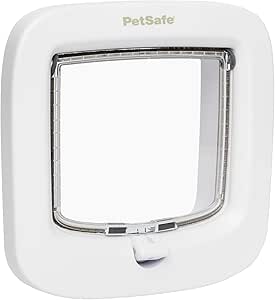
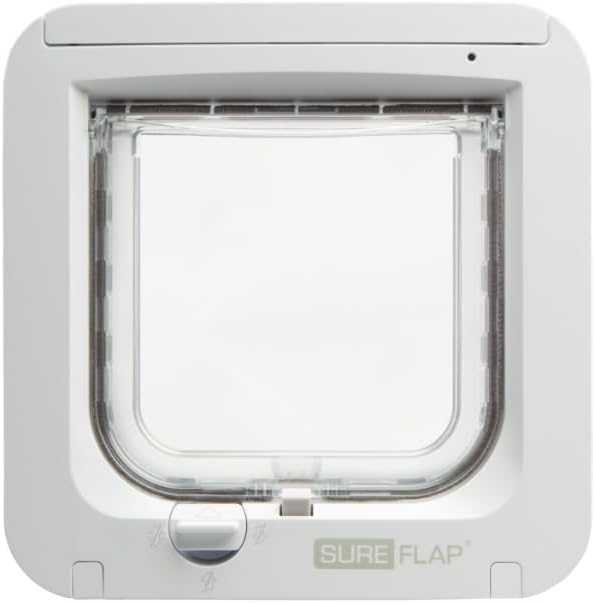
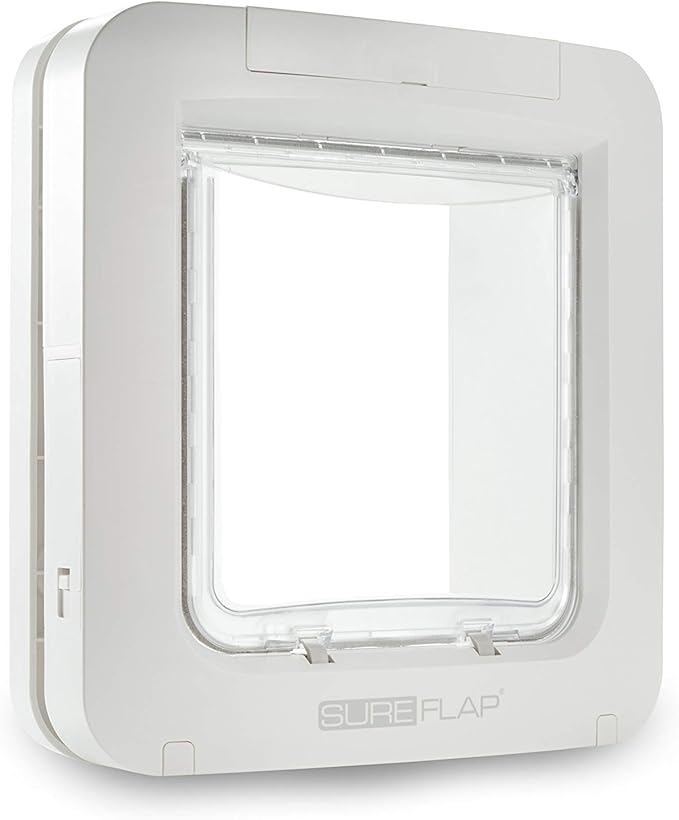
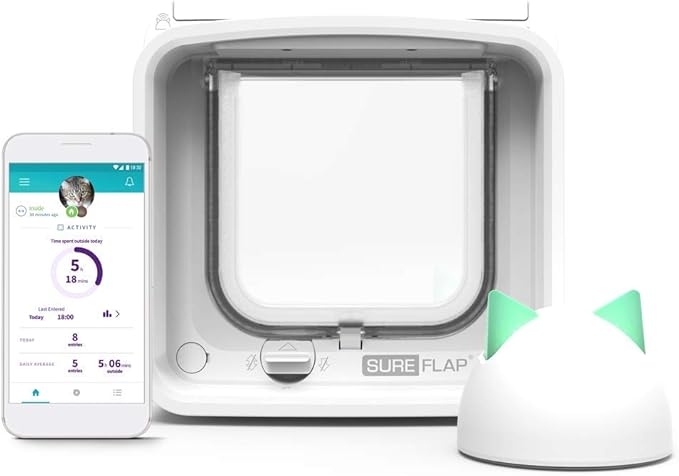
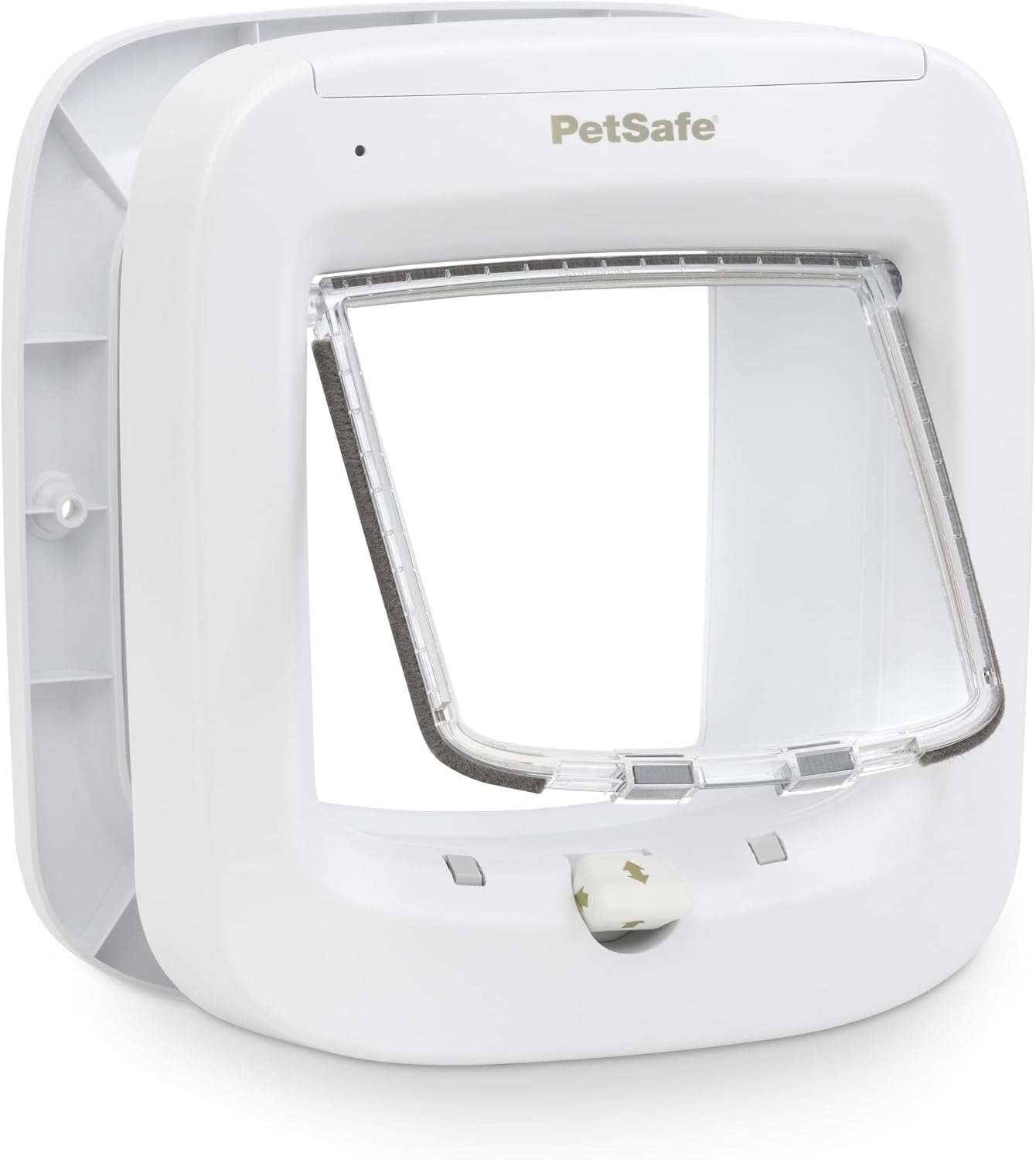
Shop Microchip Cat Flaps on Amazon:
Manual Cat Flaps: