Cat Flaps and Home Insurance: Will a Cat Flap Affect Your Policy?
Do Cat Flaps Affect Home Insurance?
This is one of the most common questions we get asked. The short answer: a cat flap should not affect your home insurance in most cases.
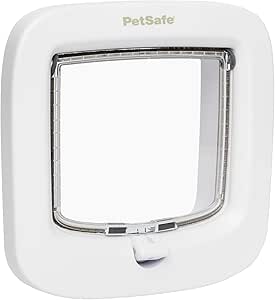
Home insurance policies are concerned with the security of your doors and windows. A small cat flap (142mm x 120mm opening) is far too small for a person to fit through — it's not a security vulnerability in any meaningful sense.
However, there are some nuances worth understanding.
Front Door vs Back Door
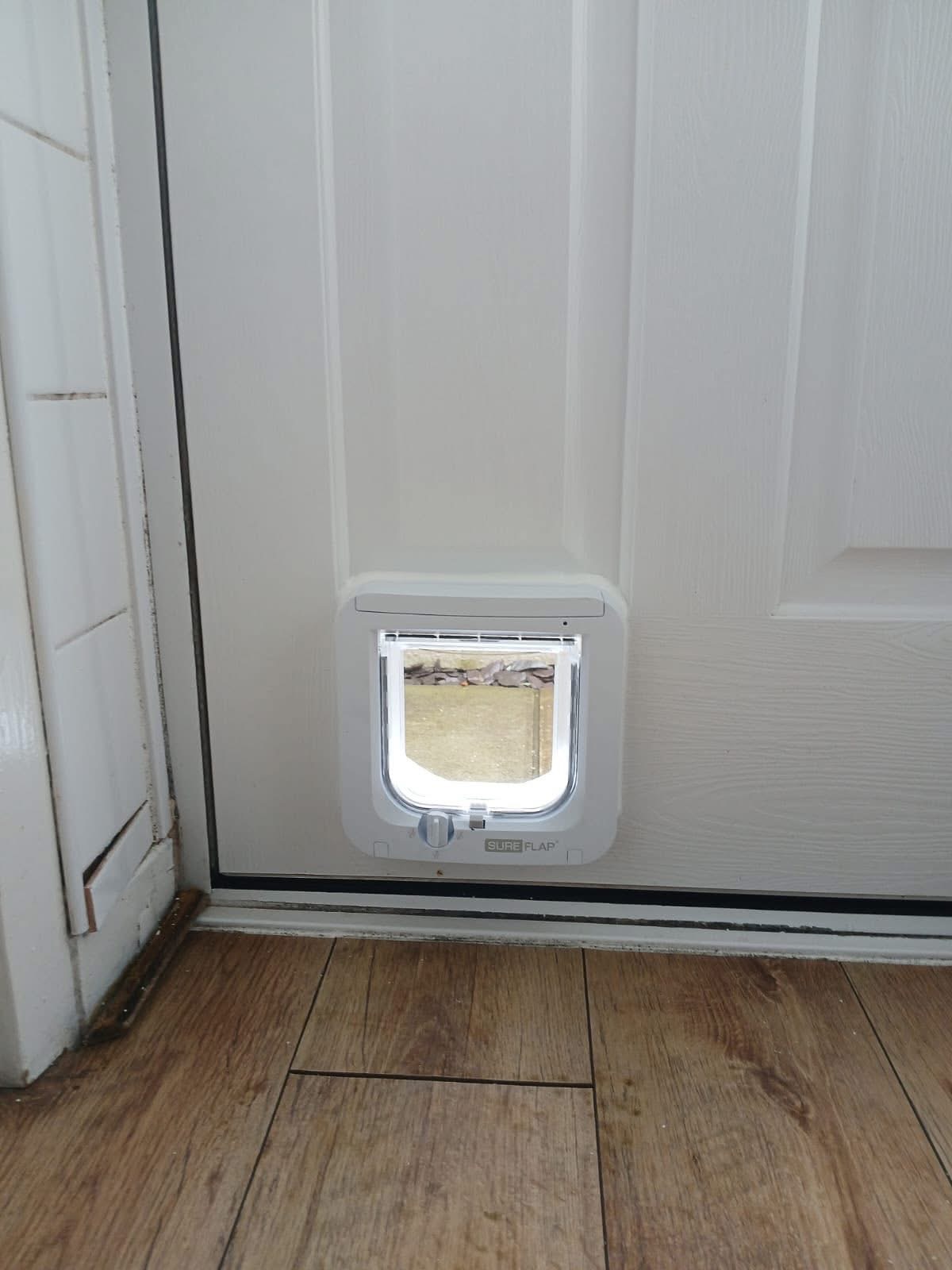
Insurers are most concerned about your front door — specifically, whether it meets certain security standards (like PAS 24). Fitting a cat flap in a front door does technically modify the door, which could affect its security certification.
For this reason, we generally recommend fitting cat flaps in back doors, side doors or patio doors rather than front doors. This avoids any potential insurance complications and is usually more convenient for your cat anyway.
If a front door installation is your only option, check with your insurer first — most won't have a problem, but it's worth confirming.
Microchip Cat Flaps & Security
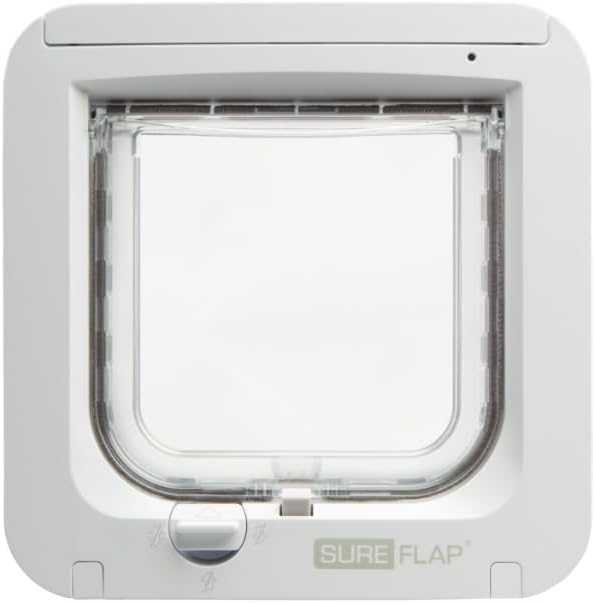
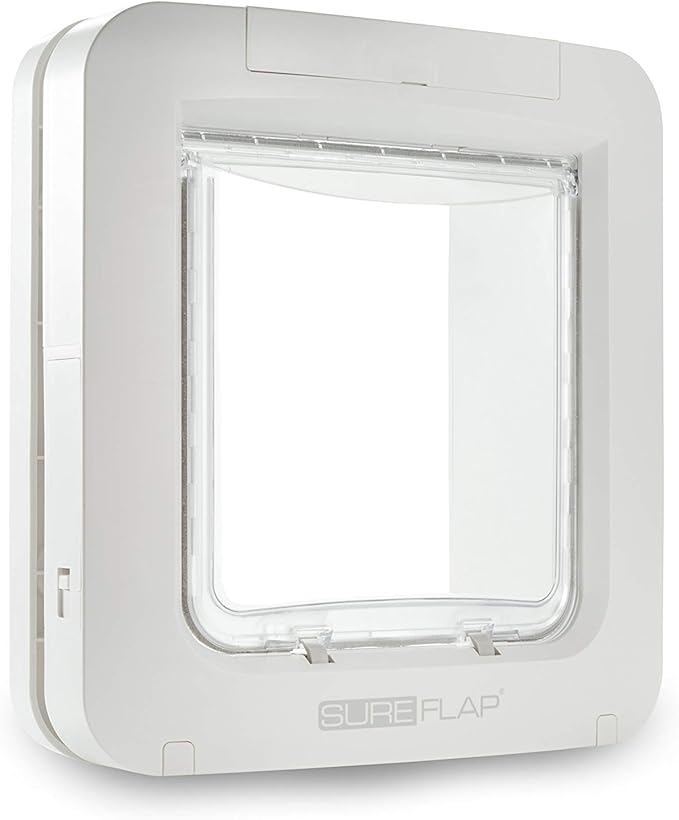
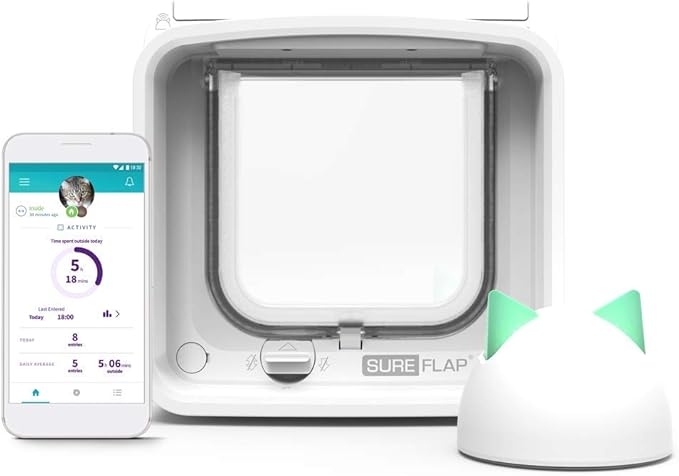
A microchip cat flap is electronically locked at all times and only unlocks when your registered cat's microchip is detected. This is significantly more secure than a basic manual flap.
From a security perspective, a locked microchip cat flap in a back door presents zero realistic risk. The opening is too small, the mechanism is locked, and there's no way to trigger it from outside without the correct microchip.
See our full guide to cat flap security for more detail.
Larger Pet Doors
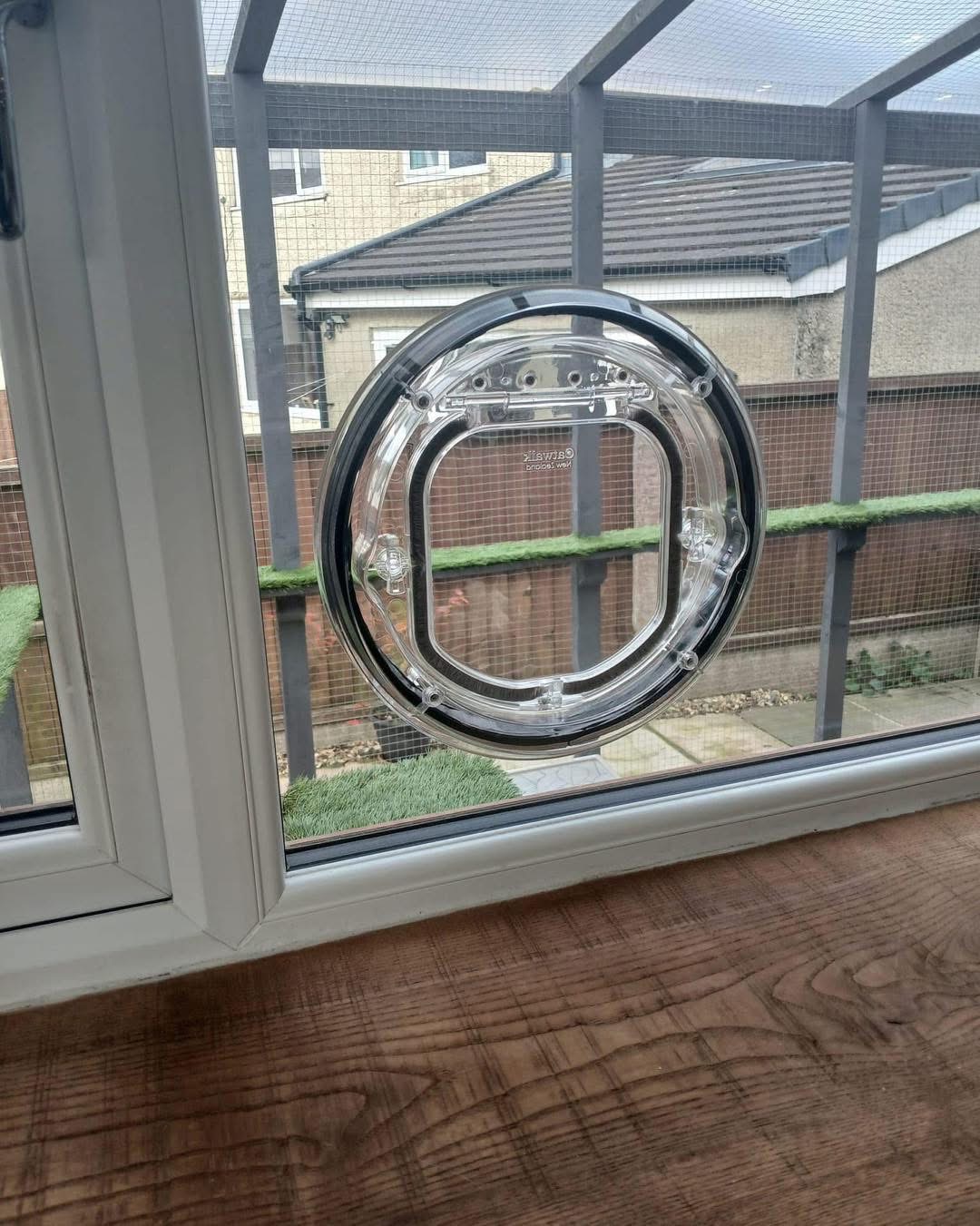
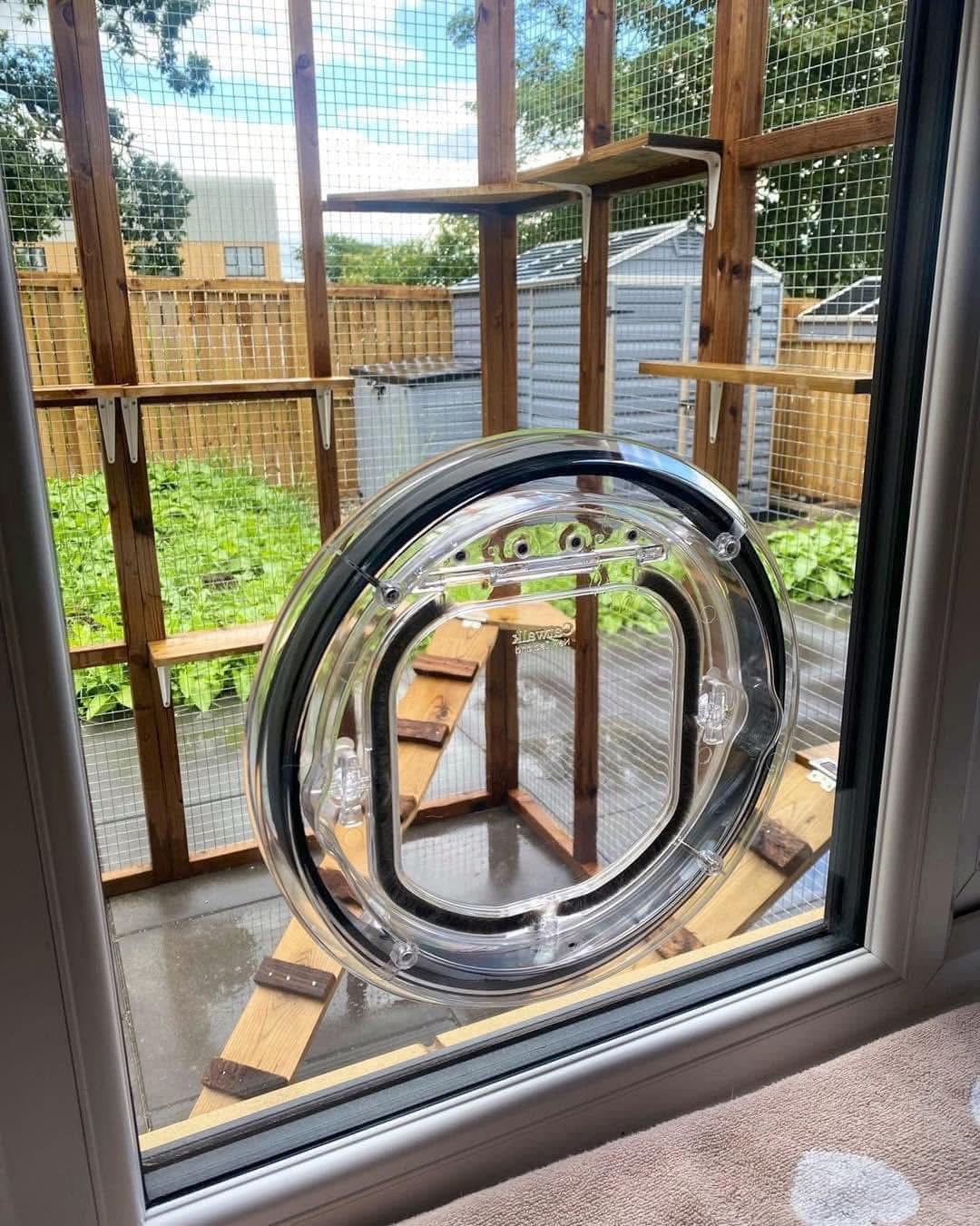
Larger pet doors (170mm+ openings) are worth a quick check with your insurer, especially if fitted in a front or side door. The larger opening is still too small for a person, but some insurers have specific policies about door modifications.
Again, a microchip-activated pet door that's electronically locked is far more secure than an open or manually-latched flap.
Our Recommendation
• Fit your cat flap in a back door or patio door, not the front door
• Choose a microchip cat flap for maximum security
• Inform your insurer about the modification — most won't change your premium or terms
• Keep your cat flap locked when you're away for extended periods
Need help choosing the most secure option? Get a free quote and we'll advise on the best cat flap and position for your home.
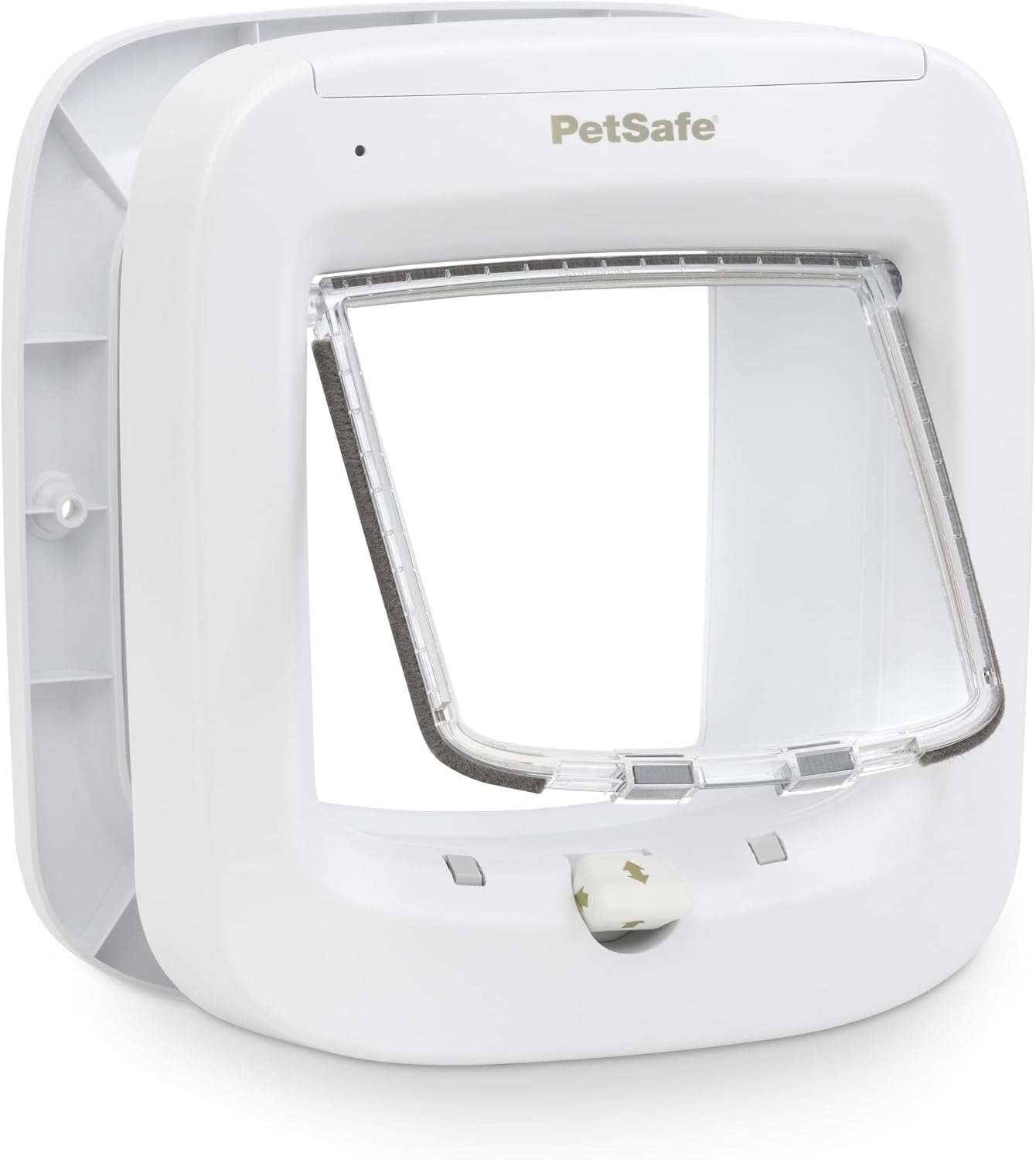
Shop Microchip Cat Flaps on Amazon:
Manual Cat Flaps: