Common Cat Flap Problems and How to Fix Them
Draught Coming Through the Cat Flap
This is the #1 complaint we hear about existing cat flaps. Common causes:
• Poor installation — If the cat flap wasn't sealed properly, cold air and rain can get through the gaps
• Worn draught excluder — The rubber or brush seal around the flap deteriorates over time
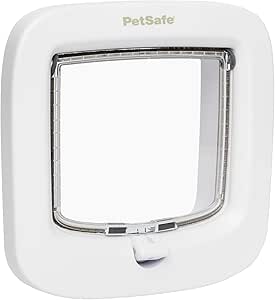
• Warped flap panel — Cheap cat flaps can warp, preventing a proper seal
• Wrong size — If the hole is too big for the cat flap, there'll be gaps
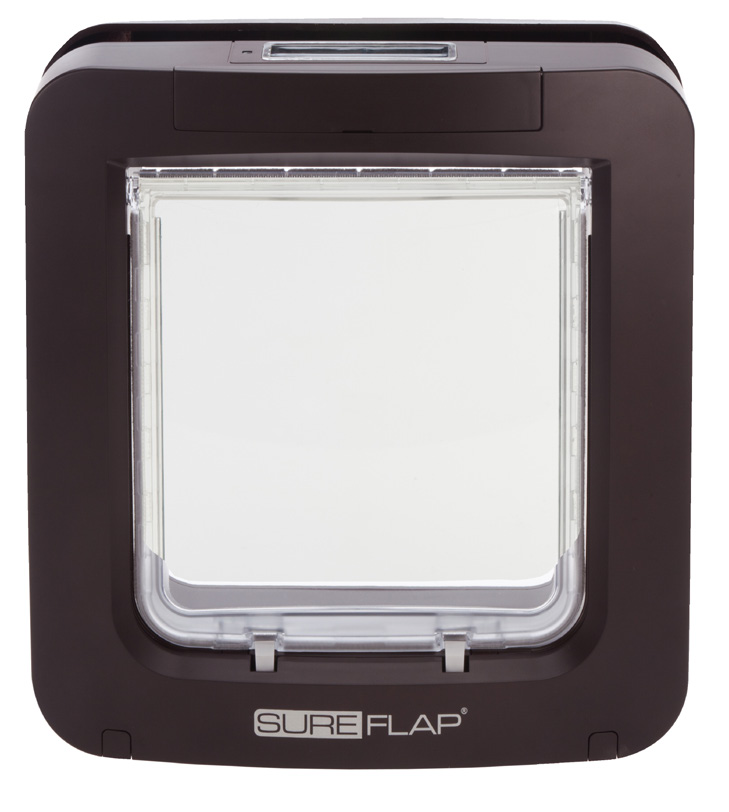
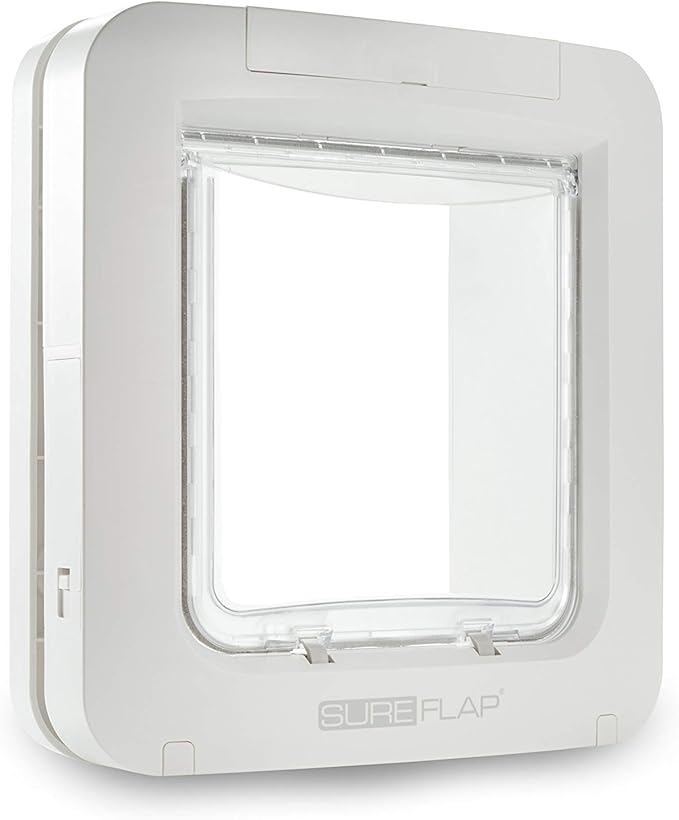
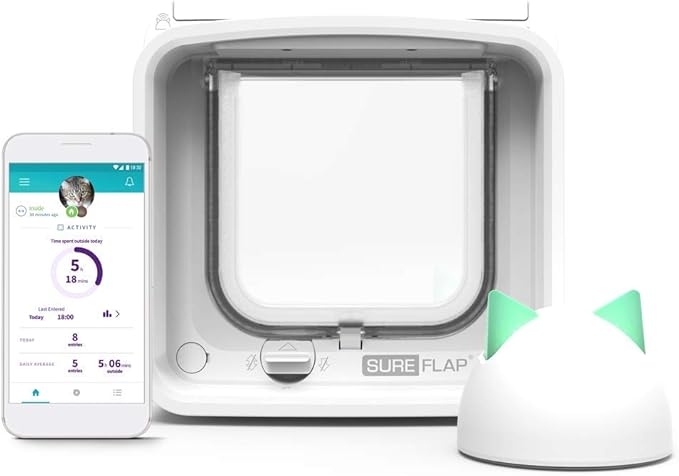
Fix: In many cases, the best fix is a replacement cat flap professionally installed. We can fit a new SureFlap with proper sealing in under an hour. If you have a quality cat flap that's just poorly sealed, we can sometimes re-seal it without replacing the unit.
Microchip Cat Flap Not Reading My Cat
If your microchip flap isn't recognising your cat:
• Low batteries — The most common cause. Replace with fresh branded batteries (not rechargeable)
• Microchip has moved — Rarely, a cat's microchip can migrate from its original position. Ask your vet to check
• Wrong microchip format — Some older or imported microchips use frequencies that certain flaps can't read. SureFlap reads all common UK formats
• Cat approaching too fast — The reader needs a moment to scan. Some cats learn to slow down; others need a RFID collar tag as backup
• Interference — Metal food bowls or other electronics near the flap can interfere with the reader
Fix: Start with fresh batteries. If the problem persists, try re-programming the cat's microchip. If it still fails, contact us for advice.
Cat Won't Use the Cat Flap
Some cats take to a cat flap immediately; others need persuasion:
• Leave it propped open for the first few days so your cat can see through and walk through without pushing
• Use treats — Place treats on the other side to encourage your cat through
• Don't force them — Pushing a cat through a flap will make them associate it with stress
• Scent it — Rub a cloth on your cat's face and then on the flap frame to make it smell familiar
• Be patient — Some cats take a week or more. Kittens and young cats tend to learn faster
Most cats figure it out within a few days. If your cat is genuinely struggling, a larger pet door (like the SureFlap Pet Door) with its bigger opening can help.
Cat Flap Sticking or Not Closing Properly
If the flap won't close properly:
• Check for debris — Hair, leaves and grime can prevent the flap from seating properly
• Clean the magnets — The closing magnets can attract metal debris
• Check the hinges — Worn or damaged hinges are the most common cause of sticking
• Temperature — In extreme cold, some flap mechanisms can stiffen slightly
Fix: Clean the flap and magnets first. If the hinges are worn, the flap panel usually needs replacing — most brands sell replacement flap panels separately.
Need Professional Help?
If your cat flap problems can't be fixed with simple troubleshooting, we can help. We replace poorly-fitted cat flaps, upgrade old manual flaps to modern microchip models, and re-seal draughty installations.
Request a free quote → — Describe the problem and we'll advise on the best solution.
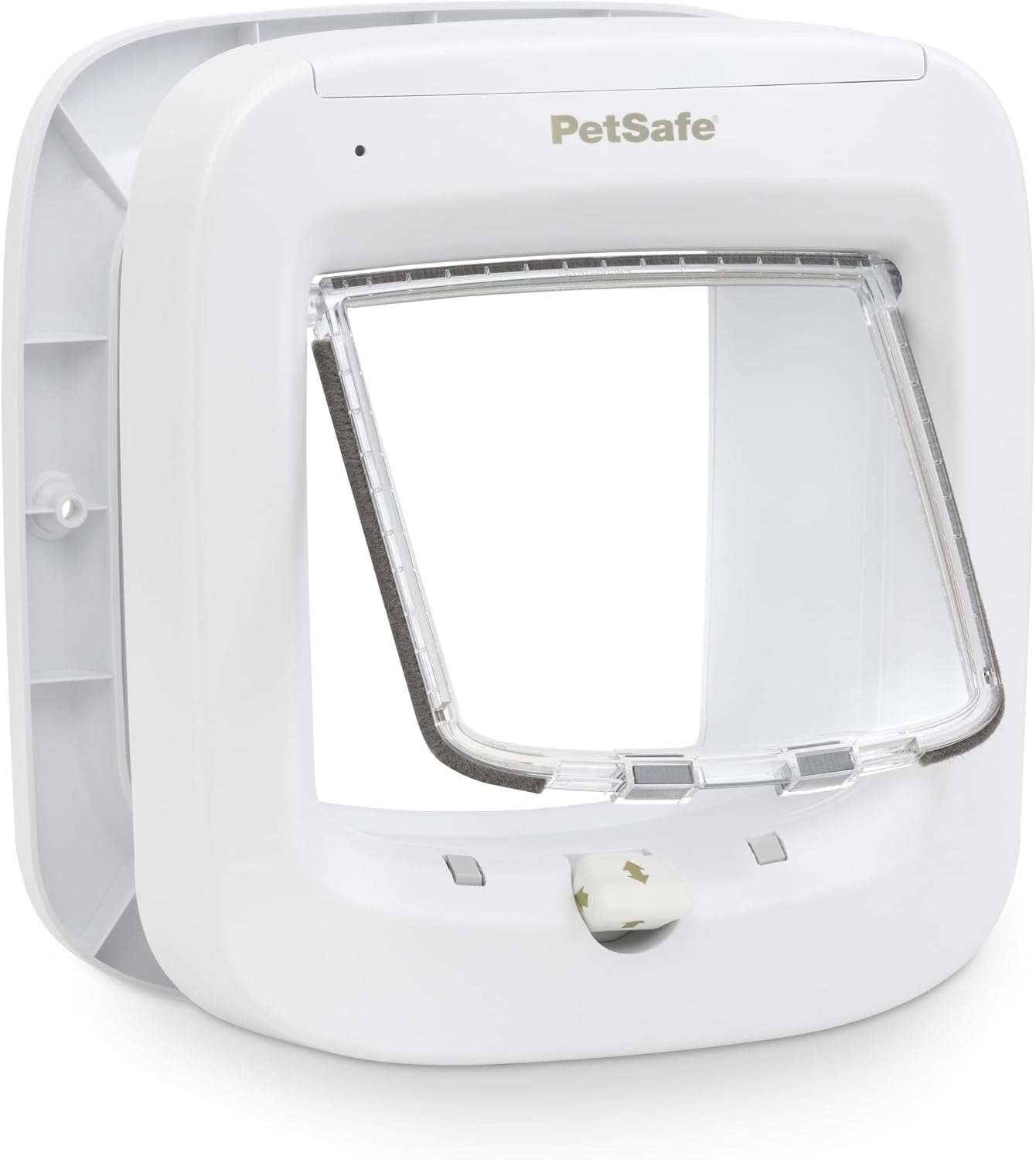
Shop Microchip Cat Flaps on Amazon:
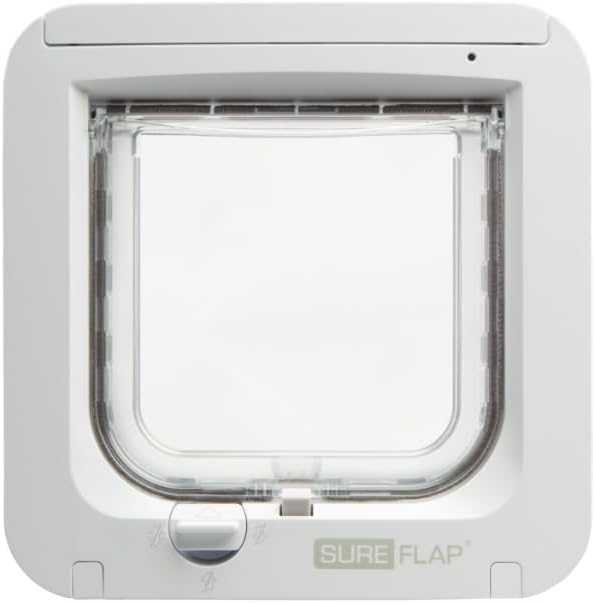
Manual Cat Flaps: