Do I Need FENSA to Replace a Glass Unit With a Cat Flap? (UK Guide)
The Short Answer
No — you do not need a FENSA certificate when we replace a sealed glass unit to fit a cat flap.
FENSA only certifies the replacement of external windows, doors, roof windows and roof lights. Swapping the glass (the sealed double-glazed unit) inside an existing frame is classed as a repair, and FENSA explicitly states repairs *"where the frame is not included"* are outside its remit.
That doesn't mean anything goes — the new toughened unit we fit still has to meet UK Building Regulations for safety glazing and thermal performance. It just isn't notifiable work, and no FENSA certificate is issued or required.
What FENSA Actually Covers (Straight From Their Website)
Quoting FENSA directly:
> *"FENSA covers the replacement of external windows, doors, roof windows and roof lights in your home, against the relevant Building Regulations."*
And on what is not covered:
> *"FENSA doesn't cover the installation of windows and doors in new conservatories, porches, new builds, new extensions, repairs (where frame not included) and commercial properties."*
FENSA's own installer guidance reinforces it:
> *"FENSA certifies the replacement of external windows, doors, roof windows and roof lights in domestic properties on its original footprint."*
Replacing only the glass — the sealed insulated unit sitting inside the existing uPVC, aluminium or composite frame — is not replacement of a window or door. The frame, hinges, locks and beading all stay. Only the glass changes. That makes it a repair under FENSA's own definition.
Source: fensa.org.uk/homeowners and fensa.org.uk/Register-your-work-in-21-days.
Why Cat Flap Installs in Glass Are 'Glass-Only' Jobs
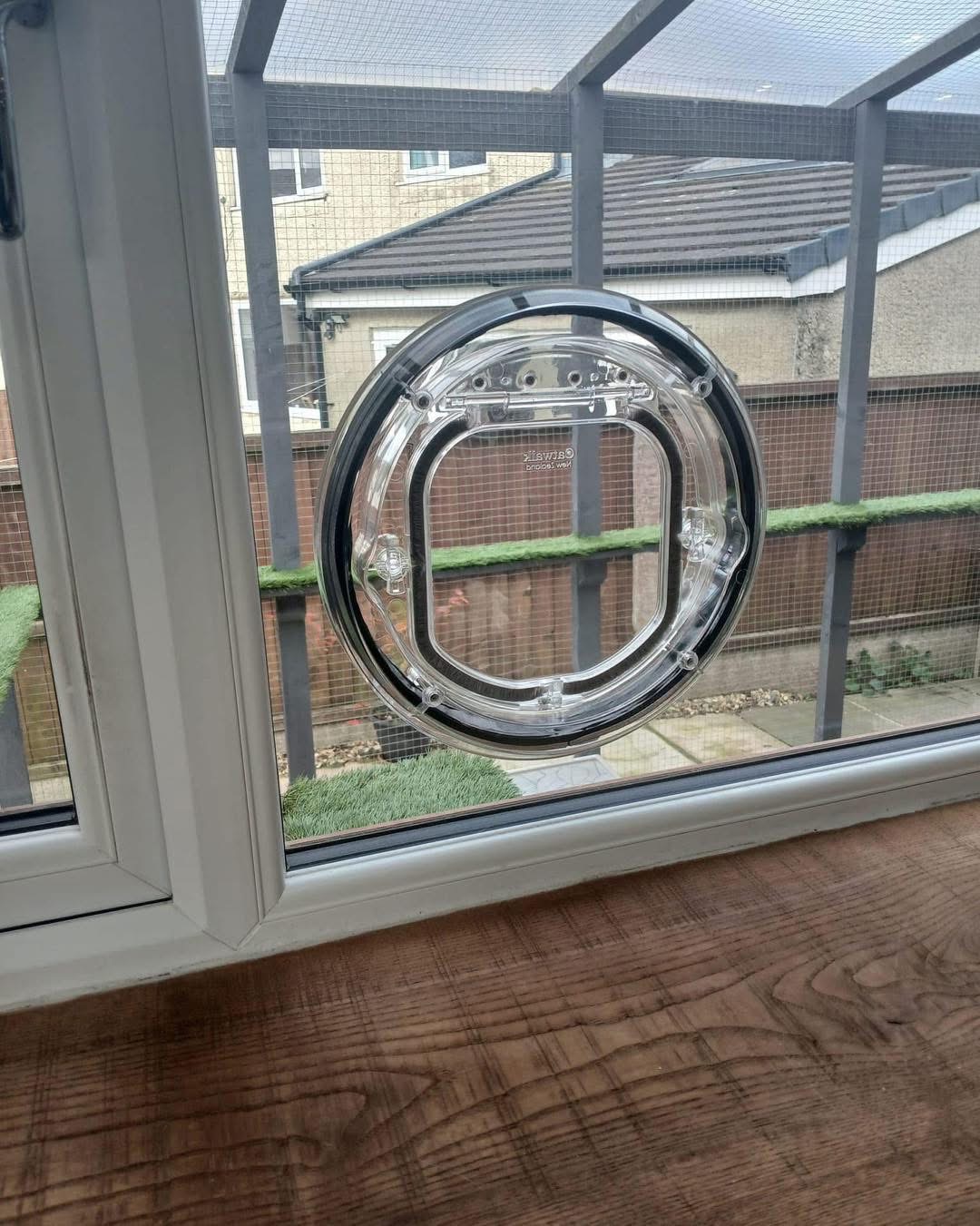
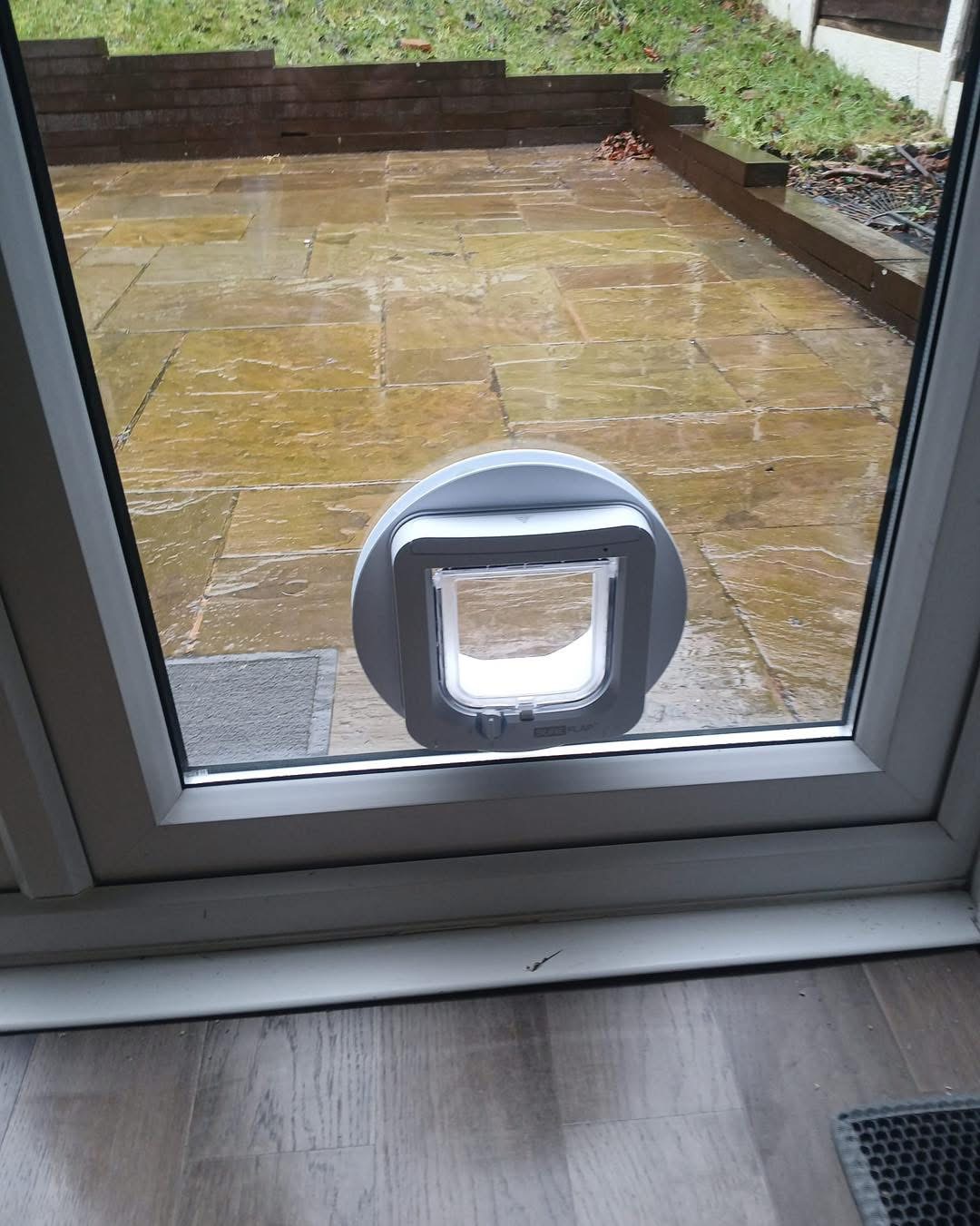
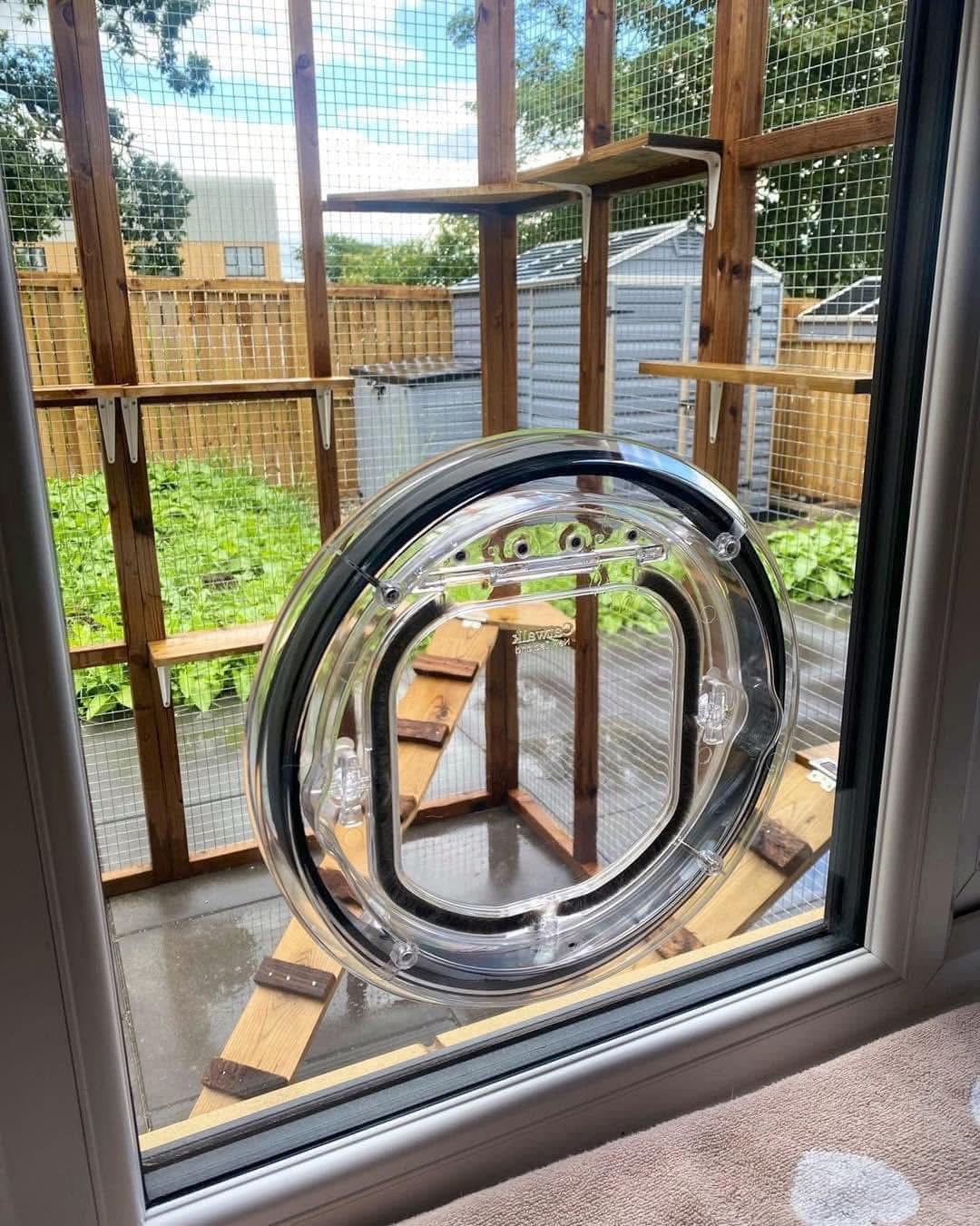
When we fit a cat flap into a double-glazed door or window, we do not cut your existing glass — toughened glass cannot be cut, it would shatter. Instead we:
- Measure the existing sealed unit
- Order a brand-new toughened (or laminated, where required) double-glazed unit with the cat flap aperture pre-cut at the factory
- Remove the old glass unit from your existing frame
- Fit the new pre-cut unit into the same frame
- Install the cat flap into the factory-cut aperture and seal
Your frame, door, hinges, locks and the door's overall footprint are untouched. That's the textbook definition of a glass repair / replacement of a sealed unit — not a window replacement.
So What Rules *Do* Apply?
Even though no FENSA certificate is needed, the replacement glass we supply still has to comply with the relevant Building Regulations:
• Approved Document K — Safety glazing. Any glass in a door, beside a door, or below 800 mm from floor level in a window must be toughened or laminated safety glass. Every unit we fit meets this by default.
• Approved Document L — Conservation of fuel and power. Replacement sealed units should be energy-efficient (typically a U-value of 1.4 W/m²K or better for double glazing, or meeting WER band C). Our units are spec'd to current standards.
• Approved Document F — Ventilation. Only relevant when a whole window is replaced (trickle vents). Glass-only swaps don't change ventilation provision, so this doesn't apply.
We handle the spec. You don't need to notify Building Control, you don't need a FENSA certificate, and the work is fully compliant.
Does This Affect Selling Your House?
This is the most common worry — *"won't conveyancing ask for a FENSA certificate?"*
Conveyancing solicitors ask for FENSA (or equivalent) certificates for replacement windows and doors installed since April 2002. They do not ask for FENSA certificates for:
• Repairs to existing windows or doors
• Replacement sealed glass units in existing frames
• Internal works
• Pre-2002 installations
A cat flap fitted into a new toughened glass unit falls into the repair / glass replacement category. There is no FENSA certificate to provide because none is required.
What you *can* provide to a buyer is:
• The invoice from a professional installer (us)
• Our 3-year workmanship guarantee (see our guarantee)
• The toughened glass kitemark / CE mark on the spacer bar of the new unit
That's more than enough evidence the work was done properly.
When Would FENSA Actually Apply to a Cat Flap Job?
There are two edge cases where FENSA *would* become relevant — and neither is a job we'd take on without making it crystal clear first:
- If you replaced the entire door (frame and all) to fit a cat flap — that's a door replacement and would need FENSA notification by the door installer. We don't do this; we fit into your existing door.
- If you replaced the entire window (frame and all) — same principle. Again, not what a cat flap install involves.
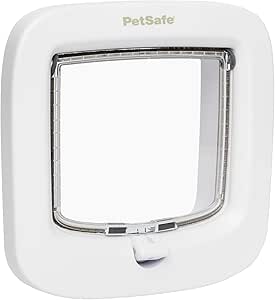
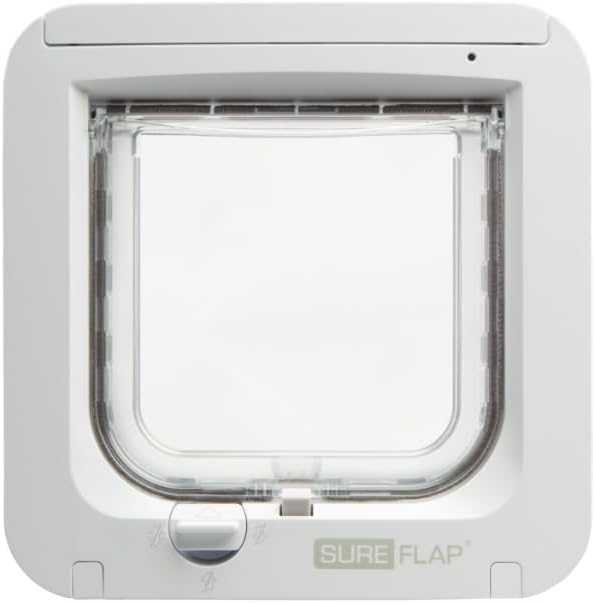
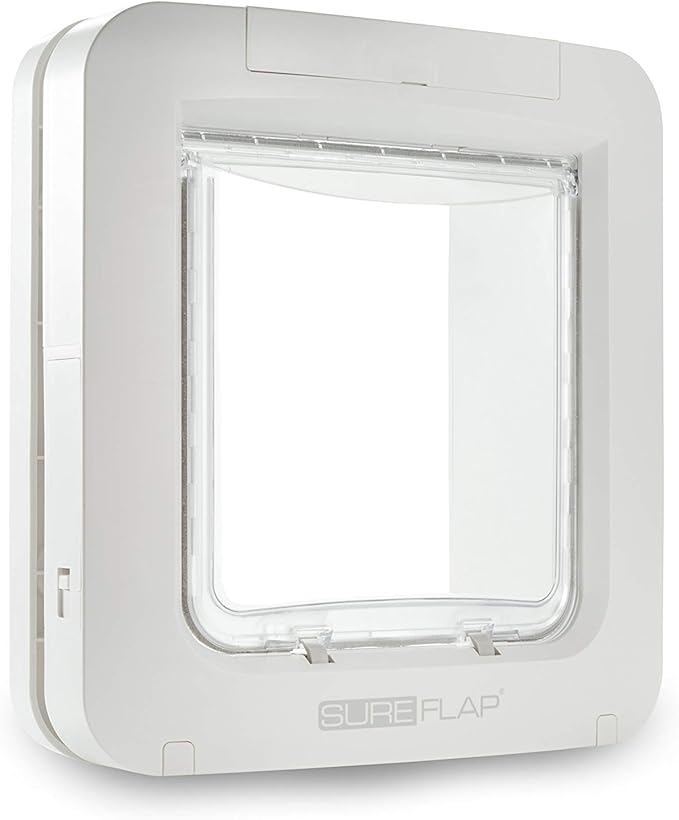
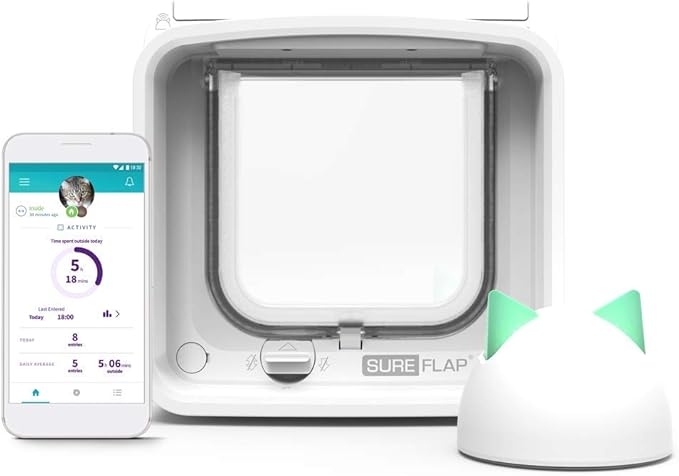
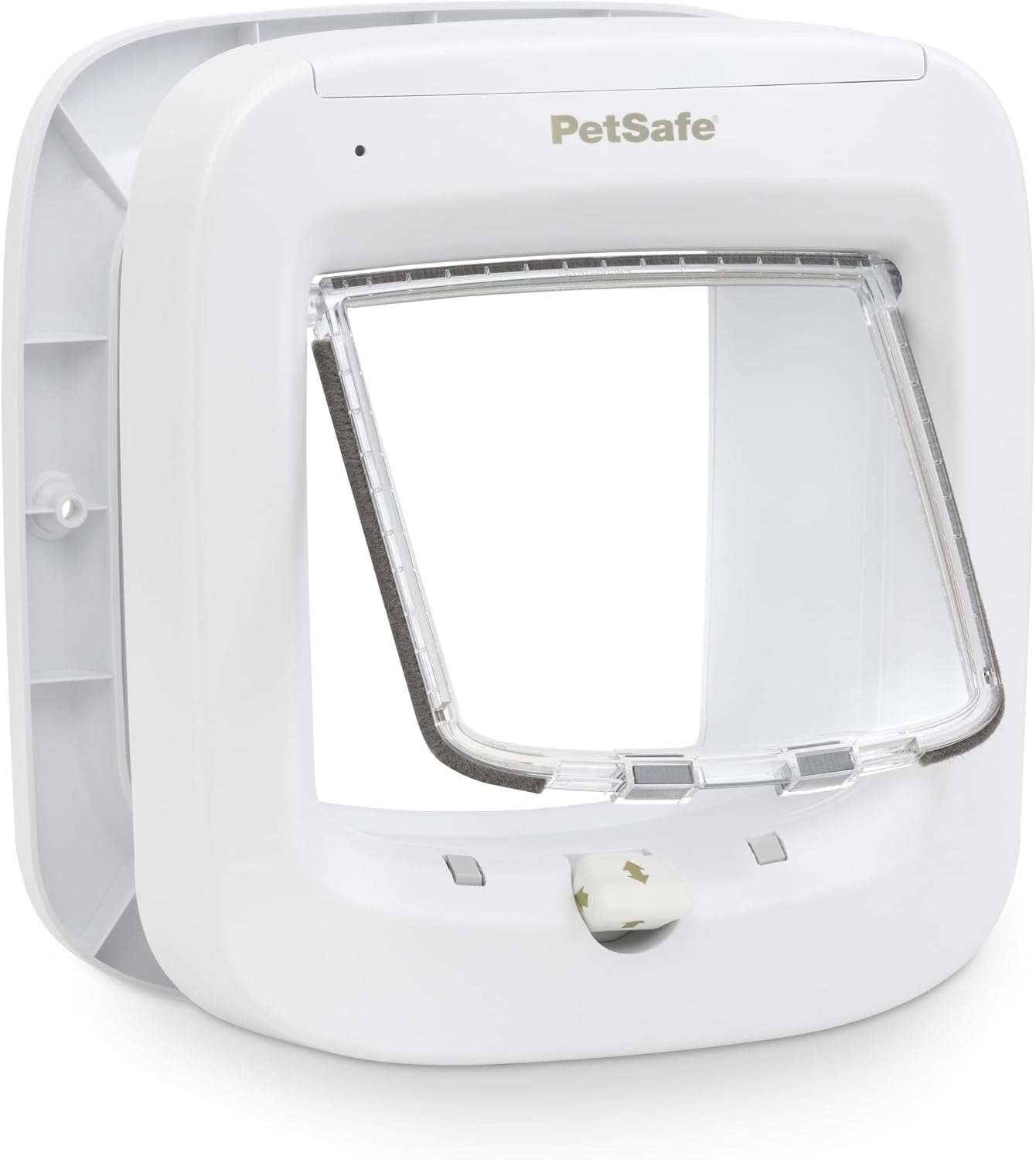
For every standard cat-flap-in-glass job we do — Pet-Tek, SureFlap, PetSafe or Closer Pets into a uPVC, aluminium, composite or bi-fold door — the frame stays. No FENSA required.
What About Tenants and Leasehold Flats?
FENSA being irrelevant doesn't override your lease or tenancy agreement. If you rent or own a leasehold flat:
• Tenants: always get written permission from your landlord before any alteration to glass or doors
• Leaseholders: check your lease for clauses on alterations to the external envelope of the building; some require freeholder consent for changes to glass even though no FENSA notification is needed
• Flats above 18 m (roughly 6–7 storeys): FENSA can't issue certificates here anyway, and additional fire/building safety rules may apply
For freehold houses, owner-occupied — you're free to proceed and no notification is required.
Bottom Line
Replacing a sealed glass unit to install a cat flap is a repair, not a window or door replacement. FENSA's own published remit excludes repairs where the frame is not included. No FENSA certificate is issued, none is required, and conveyancing will not ask for one.
The new glass still meets UK Building Regulations for safety and thermal performance — that's built into the spec of every unit we order.
If you've been told otherwise (occasionally a well-meaning glazier or estate agent will get this wrong), point them to the FENSA homeowner page. The wording is unambiguous.
Ready to go ahead? Get a free quote or read our Cat Flap in Glass Door Cost guide for typical pricing across uPVC, aluminium and bi-fold doors. If you're choosing the flap itself, Pet-Tek is our most popular pick for glass installs.
Shop Microchip Cat Flaps on Amazon:
Manual Cat Flaps: