Dog Flap vs Cat Flap: What's the Difference and Which Do You Need?
The Main Difference: Size
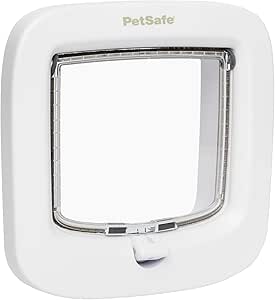
The fundamental difference between a dog flap and a cat flap is the size of the opening:
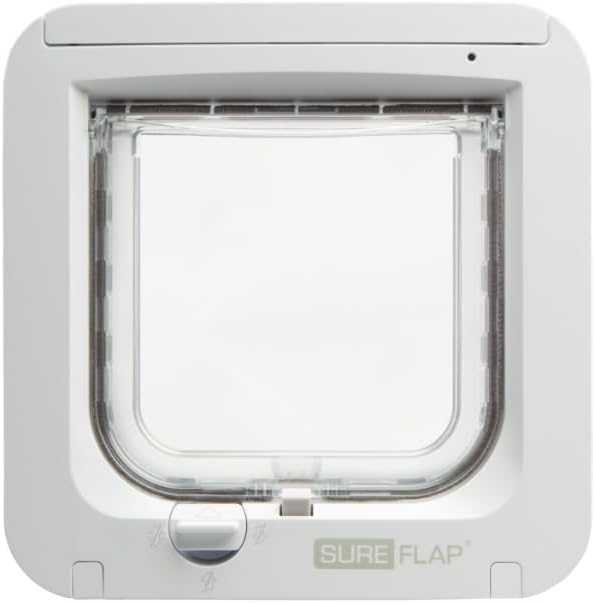
Cat Flaps (standard)
• Opening: approx. 142mm x 120mm
• For: Average-sized cats up to ~5kg
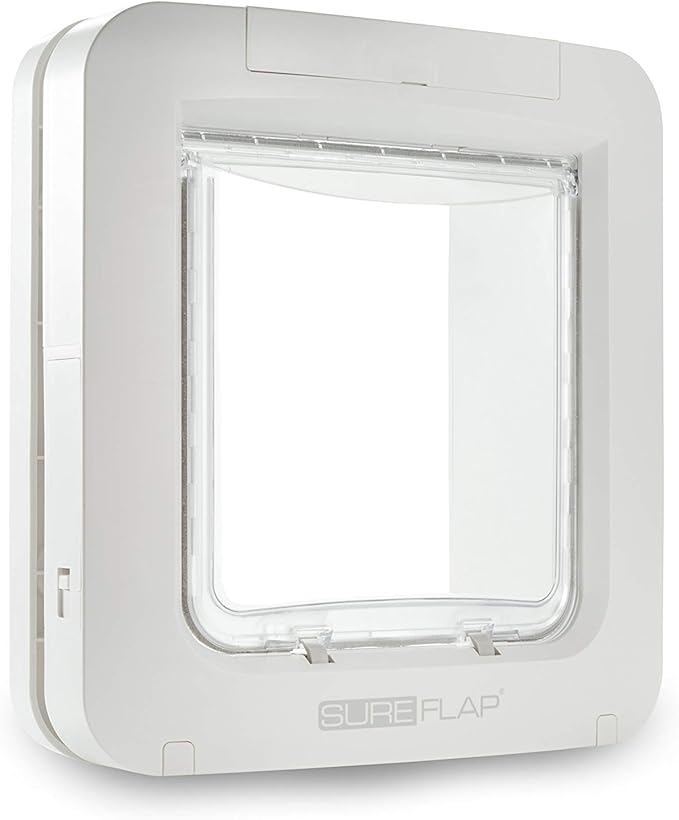
Pet Doors (large cat / small dog)
• Opening: approx. 170mm x 178mm
• For: Large cats (Maine Coons, Bengals) and small dogs (Jack Russells, Dachshunds, Yorkshire Terriers)
Dog Flaps (medium/large dog)
• Opening: 200mm+ x 200mm+
• For: Medium to large dogs (Spaniels, Labradors, etc.)
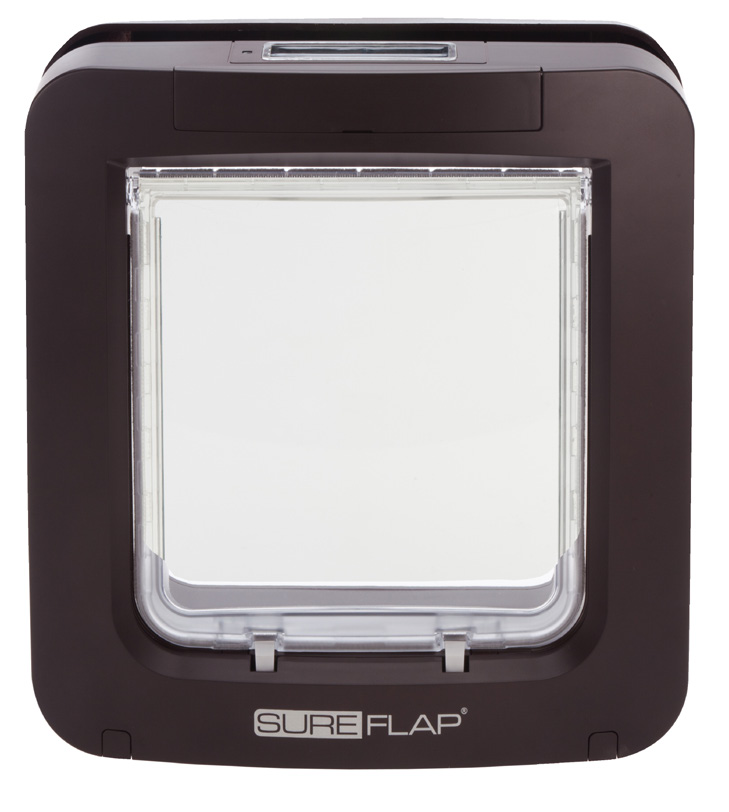
For large cats, you don't necessarily need a "dog flap" — the SureFlap Microchip Pet Door is specifically designed for large cats and small dogs. See our large cat flap guide for detailed sizing advice.
Security Differences
Security is where cat flaps have a significant advantage over dog flaps:
Cat flaps — The small opening is too small for any meaningful security risk. A microchip cat flap is electronically locked and only opens for your registered pet.
Pet doors — Still relatively small. The SureFlap Pet Door has microchip security and the same electronic locking.
Large dog flaps — A large dog flap opening (250mm+) could potentially be large enough for a child or a person's arm to reach through. This is where security considerations become more important.
For this reason, we always recommend microchip-activated pet doors over basic unlocked flaps, especially for larger openings. See our guide on keeping unwanted animals out.
Microchip Options for Dogs
Dogs can use microchip pet doors just like cats:
• SureFlap Microchip Pet Door — Our top recommendation for small dogs. The 170mm x 178mm opening suits dogs up to about 10kg. Uses the same microchip technology as cat flaps.
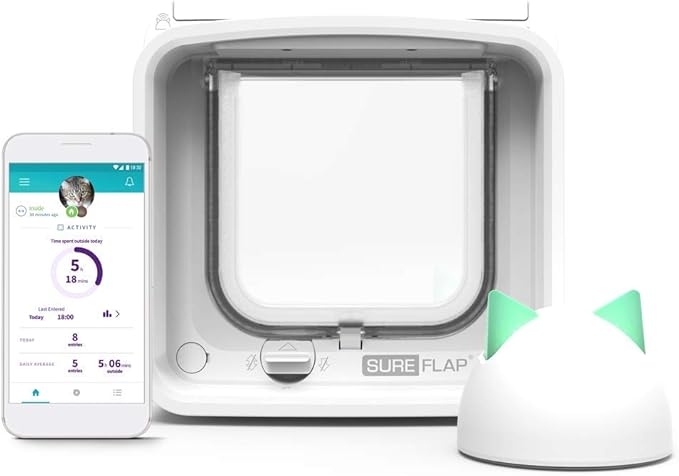
• SureFlap Connect Pet Door — The smart version with app control, activity tracking and remote curfew settings.
For medium and large dogs, the options are more limited. Most larger dog flaps use RFID collar tags rather than implanted microchips, which means the dog needs to wear a specific collar.
All dogs in England must be microchipped (a legal requirement since 2016), so microchip-activated pet doors are a natural choice.
Installation Differences
Larger flaps require larger cut-outs, which can affect installation:
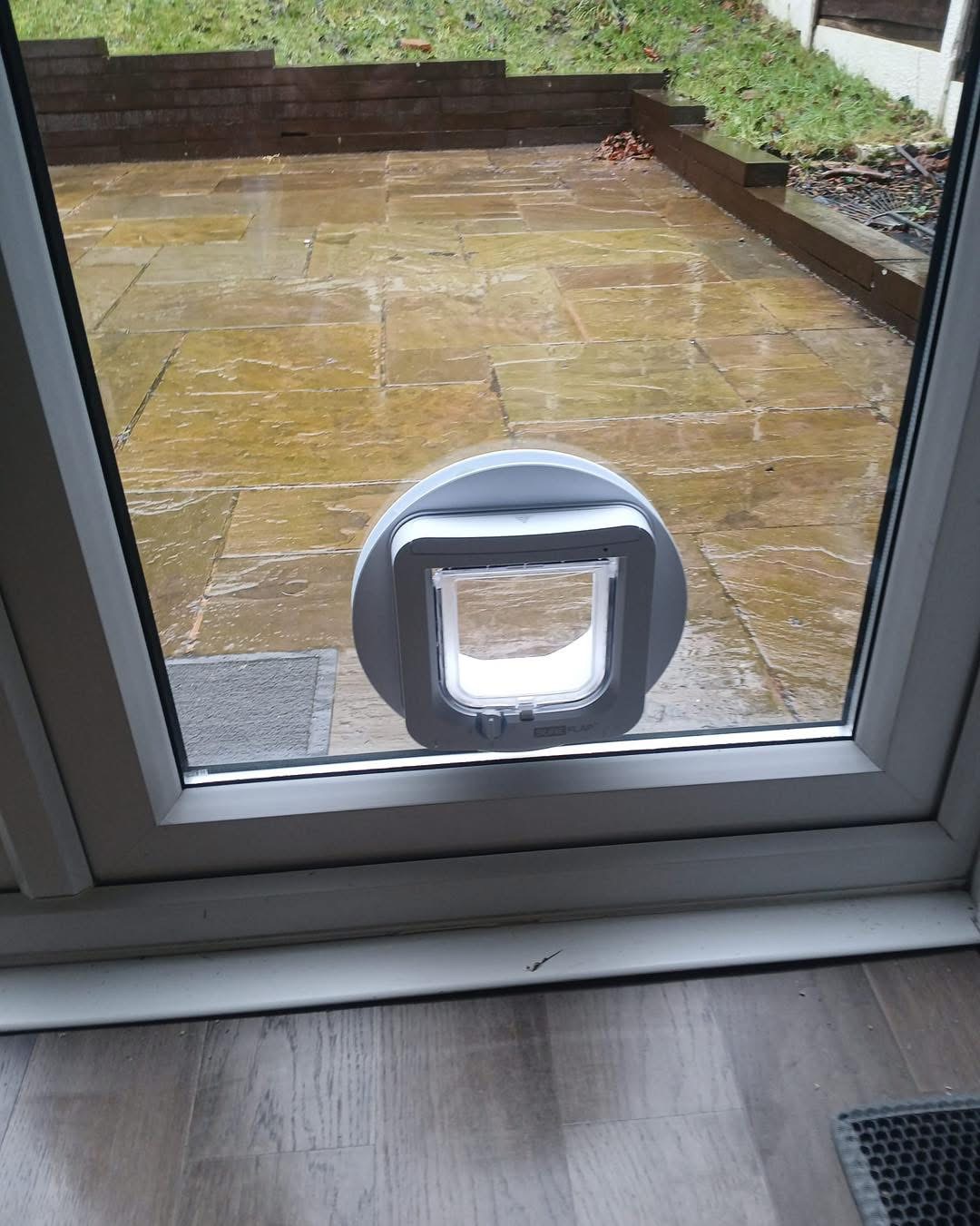
• Cat flaps — Fit in virtually any door type including UPvc, composite, glass and windows
• Pet doors — Same as cat flaps, just a slightly larger cut-out. No significant difference in installation
• Large dog flaps — May not be suitable for all door types. Some composite doors don't have enough panel space, and glass installations need careful planning for structural integrity
Visit our services page for details on which door types we work with.
Which Do You Need?
Standard cat flap if:
• You have average-sized cats (under 5kg)
• You don't have dogs
Pet door (large cat flap) if:
• You have large cats (Maine Coons, Bengals, British Shorthairs)
• You have small dogs (under 10kg)
• You have both cats and small dogs sharing the same flap
Large dog flap if:
• You have medium to large dogs
• Your dog can't fit through a standard pet door
For most households with cats, the standard SureFlap or SureFlap Pet Door is the right choice. See our best cat flaps UK 2026 guide for our full recommendations.
Get a Free Quote
We install cat flaps and pet doors across Cheshire, Staffordshire, North Wales and the wider North West. Request a free quote and we'll help you choose the right size for your pet.
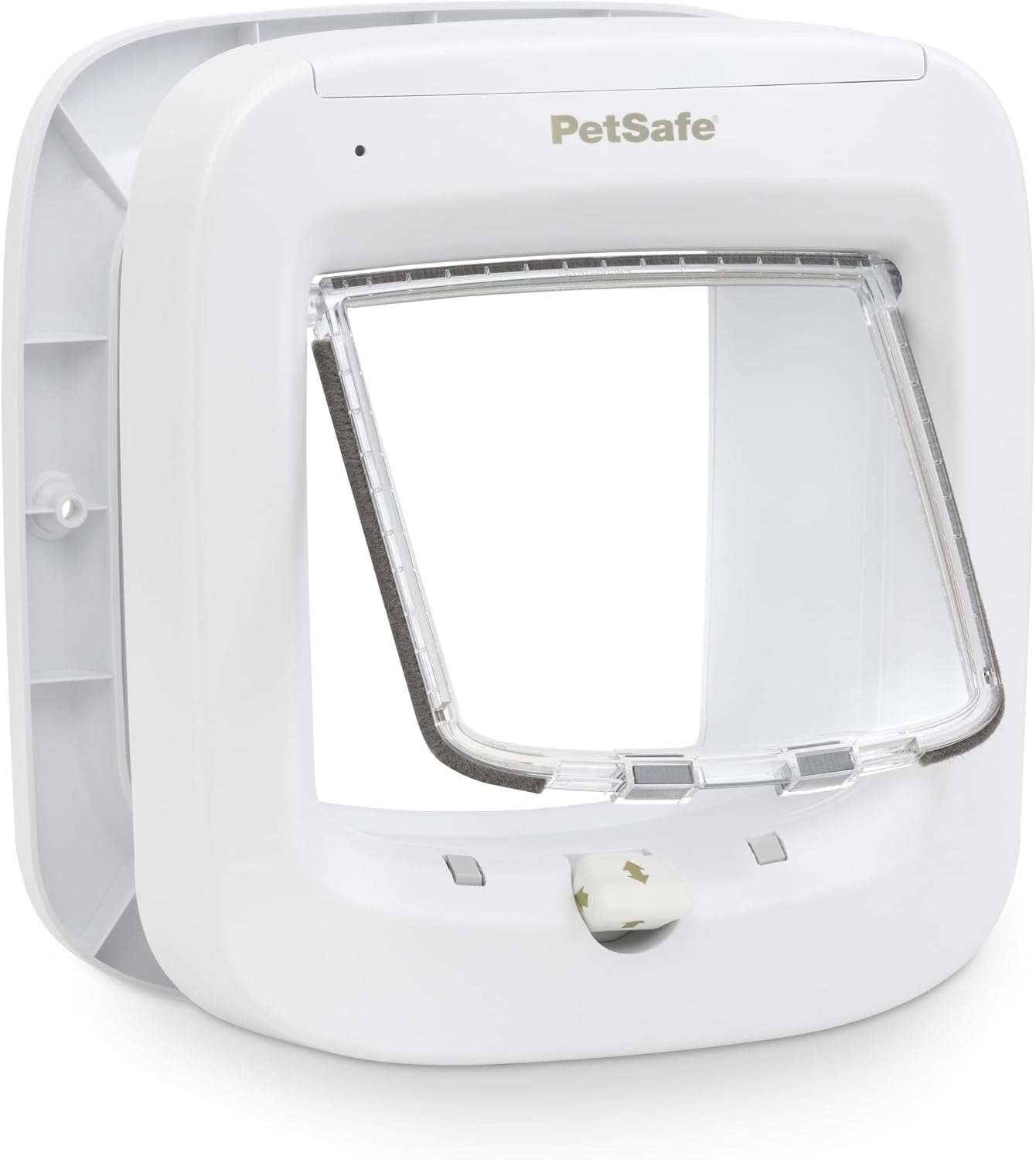
Shop Microchip Cat Flaps on Amazon:
Manual Cat Flaps: