How to Train Your Cat to Use a Microchip Cat Flap
Why Cats Hesitate at First
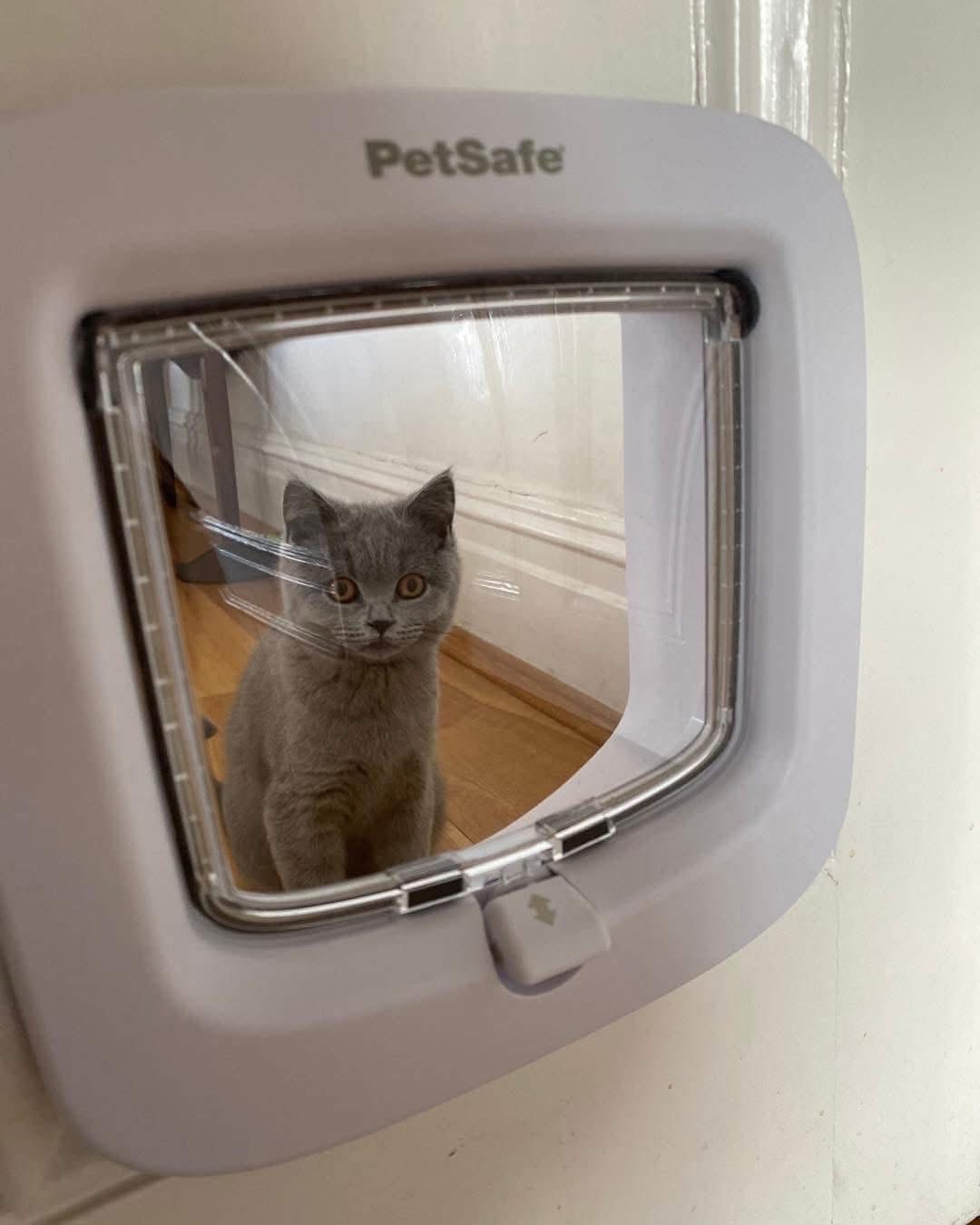
It's completely normal for a cat to be wary of a new cat flap. Microchip cat flaps make a quiet click when they unlock, and the flap itself feels different to an open door. Your cat needs time to understand that this new thing is safe and leads to the outside world.
Most cats learn to use their new cat flap within 1–5 days. Some confident cats figure it out within hours. More nervous cats may take up to two weeks — but virtually all cats get there in the end.
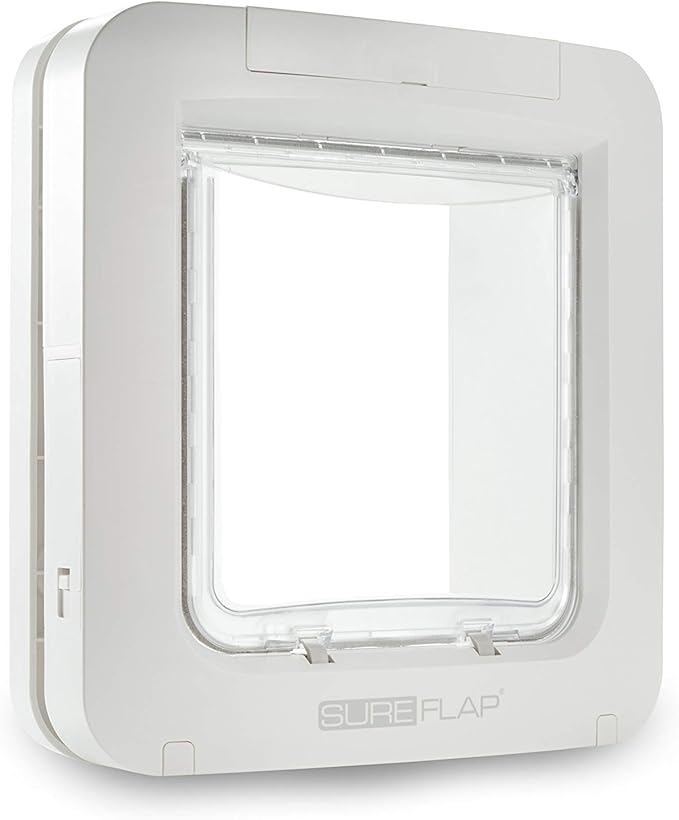
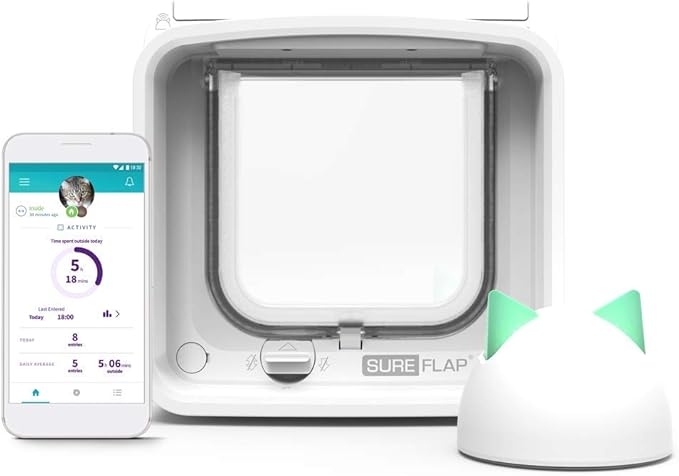
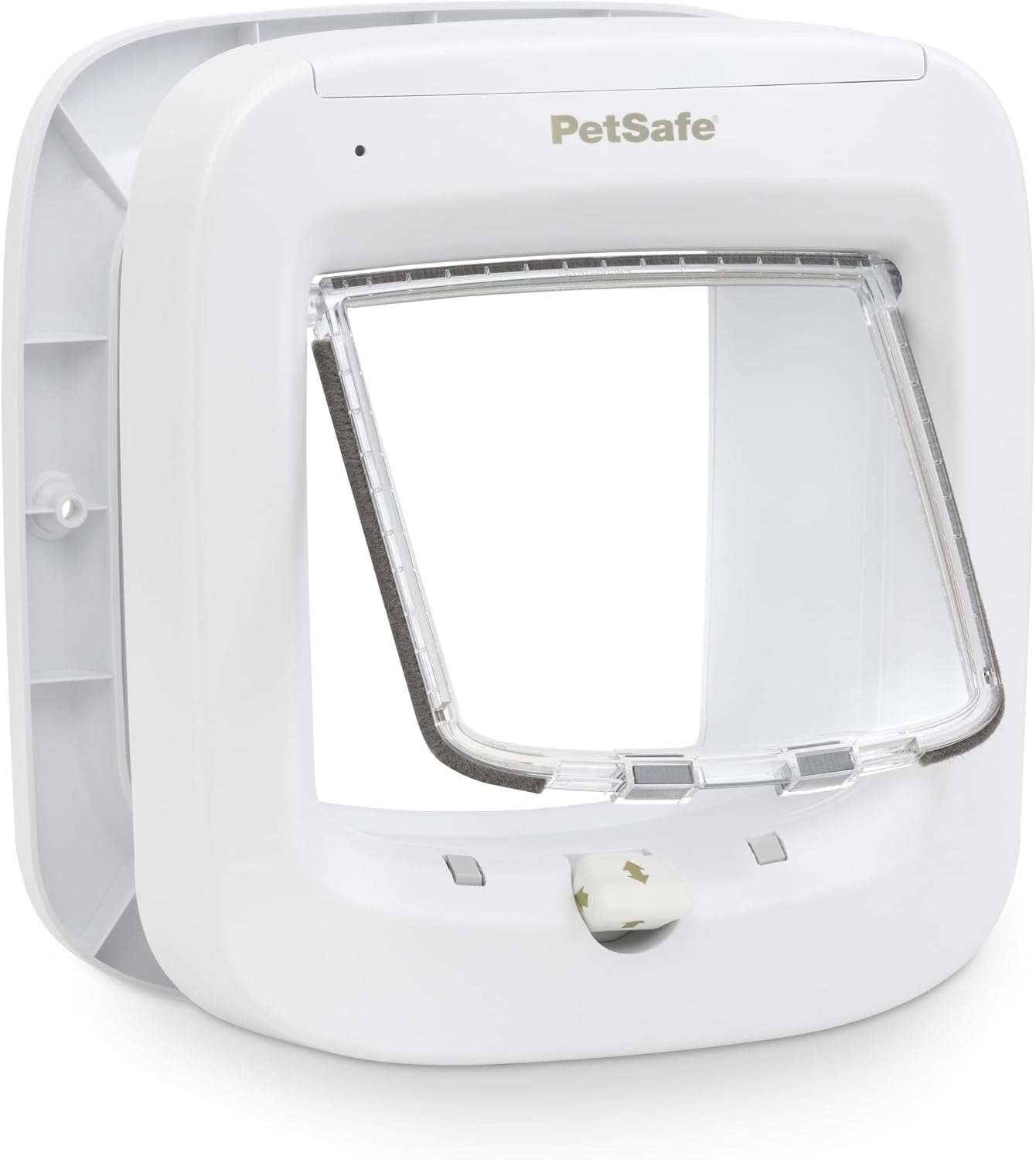
Shop Microchip Cat Flaps on Amazon:
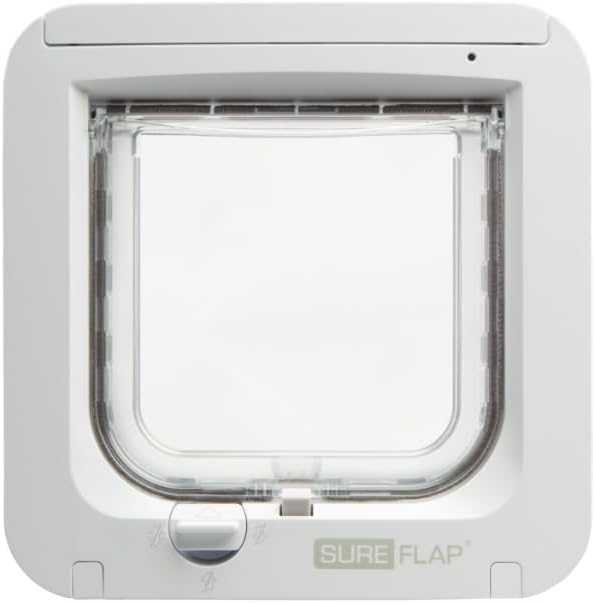
Manual Cat Flaps:
Step 1: Prop the Flap Open
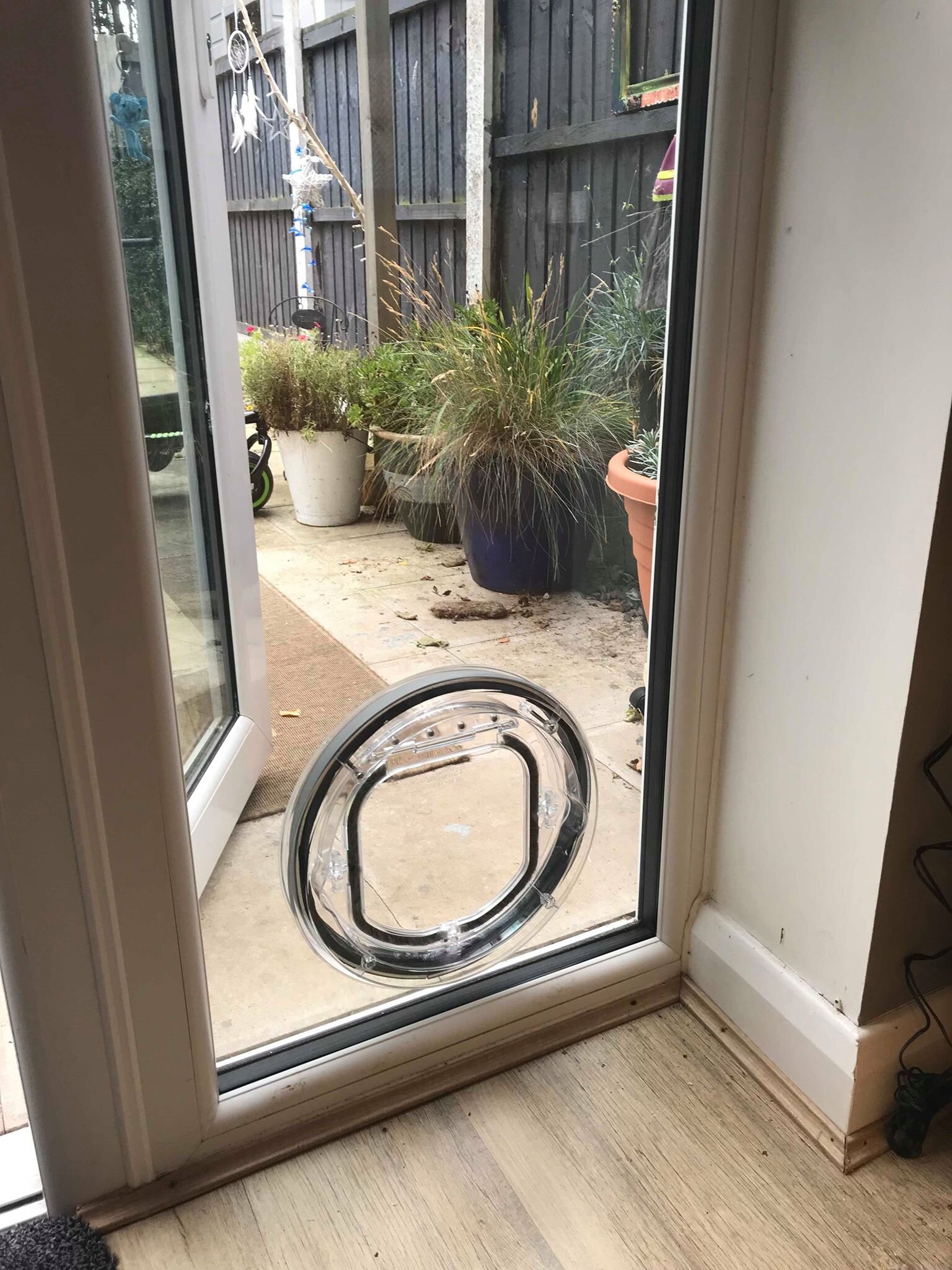
For the first day or two, tape or prop the cat flap open so your cat can see straight through to the other side. This removes the biggest barrier — the unknown.
Place some treats or their favourite food on the other side of the flap to encourage them to step through. Let them go back and forth freely through the open flap until they're comfortable with the opening.
Step 2: Lower the Flap Gradually
Once your cat is happily walking through the open flap, start lowering it gradually:
- First, prop it half-open — so your cat needs to push it slightly but can still see through
- Then let it close fully — but hold it ajar with your finger when your cat approaches, so they only need a gentle push
- Finally, let the flap close completely — your cat should now push through independently
Use treats on the other side at each stage. Be patient and never force your cat through the flap.
Step 3: Let the Microchip Lock Engage
Once your cat is confidently pushing through the closed flap, re-enable the microchip locking mechanism. Your cat will hear a quiet click as the lock disengages when they approach — this is the microchip reader recognising them.
Some cats are startled by the click at first. If your cat backs away, go back to step 2 for another day, then try again. The click is very quiet on SureFlap and PetSafe models, and most cats ignore it within a few uses.
Tips for Stubborn Cats
If your cat is still reluctant after a week:
• Use their absolute favourite treat — something irresistible like tuna, chicken or Dreamies
• Feed them on the other side — place their entire meal outside so they have to go through the flap to eat
• Try catnip — sprinkle some on the outside of the flap
• Don't open the door — if you keep opening the door for them, they'll never learn to use the flap
• Stay calm — cats pick up on your frustration. Make it a positive experience
• Time of day — try training when your cat naturally wants to go out (early morning or evening)
If you have multiple cats, often the more confident cat will learn first and the others will follow. Read our guide on why cats benefit from a cat flap for more on the long-term benefits.
When to Seek Help
Very rarely, a cat may refuse to use a cat flap entirely. This can happen with very elderly cats, cats with mobility issues, or cats with a previous traumatic experience with a cat flap. In these cases, consult your vet for advice.
If you're in Cheshire, Staffordshire or North Wales, feel free to give us a call — we've helped hundreds of customers with cat flap training tips. Get in touch any time.