Indoor vs Outdoor Cats in the UK: What the Latest Research Actually Says
The UK Is Unusual — Most Cats Here Go Outside
Around 74% of UK cats have outdoor access (Cats Protection, 2024). In the US that number is closer to 32%, and in Australia and New Zealand it's increasingly close to zero as councils restrict roaming.
This isn't an accident. The UK has lower predator pressure, lower coyote/lynx risk, smaller average property sizes (so cats stay close to home) and a long cultural tradition of free-roaming farm and town cats.
Lifespan: The Numbers Are Closer Than You Think
The often-quoted '15 years indoor vs 5 years outdoor' figure is misleading and largely American. UK-specific data from the Royal Veterinary College (2023) puts the median lifespan of:
• Indoor-only UK cats: 14.0 years
• Indoor-outdoor UK cats: 12.7 years
• Free-roaming feral cats: ~5–7 years
A difference of just over a year — not a decade. The biggest single risk factor for outdoor cats in the UK is road-traffic accidents, which heavily skew the average down for cats living near busy roads.
What Outdoor Access Gives Your Cat
Behaviourally, outdoor-access cats show:
• Lower obesity rates (huge — UK indoor cats have a ~50% overweight/obese rate)
• Less stress-related behaviour (over-grooming, urinary issues, redirected aggression)
• More natural sleep cycles
• Reduced inter-cat conflict in multi-cat households
These aren't trivial — feline idiopathic cystitis, the leading cause of indoor cat vet visits, is strongly linked to chronic stress.
The Wildlife Question
UK cats are estimated to kill ~27 million birds per year (RSPB). However, the RSPB's own research has consistently found no evidence that cats are causing population-level declines in any UK bird species — habitat loss and agricultural intensification are far bigger drivers.
That said, individual cats can devastate garden bird populations. Bright collars, bells, dawn/dusk curfews and play-feed routines (see our 'gifts' guide) all measurably reduce hunting success.
The Middle Path Most Vets Recommend
Almost every vet we know personally runs a 'modified outdoor' setup at home:
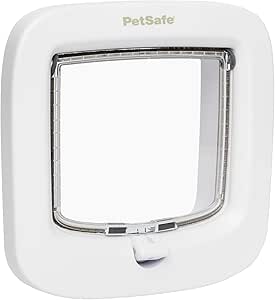
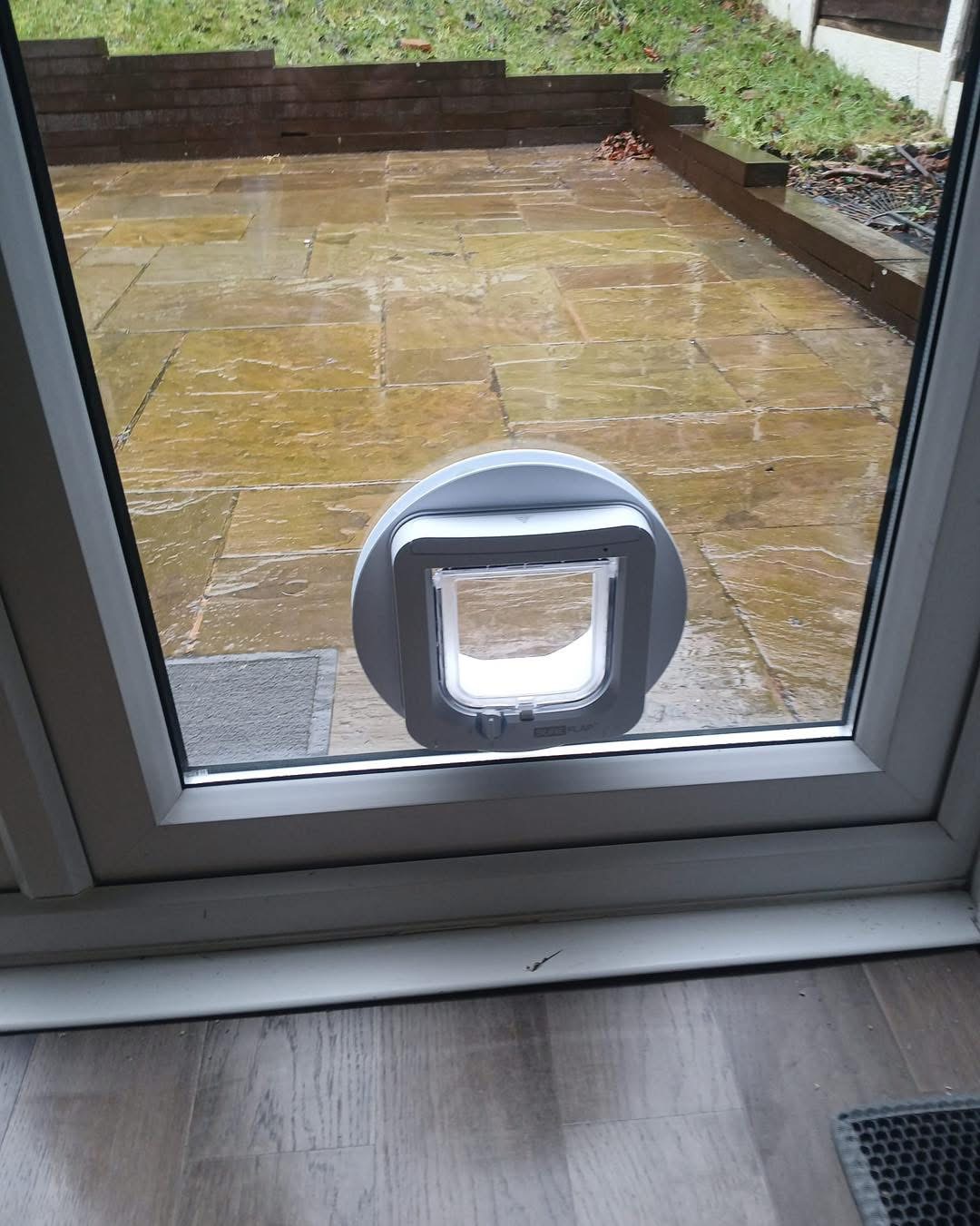
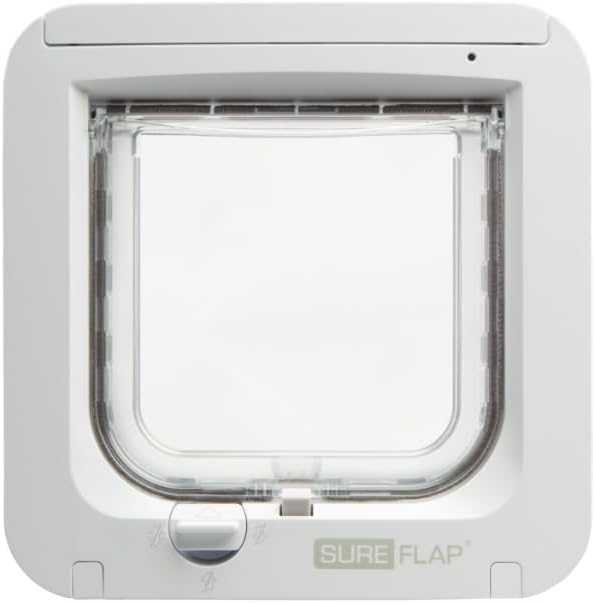
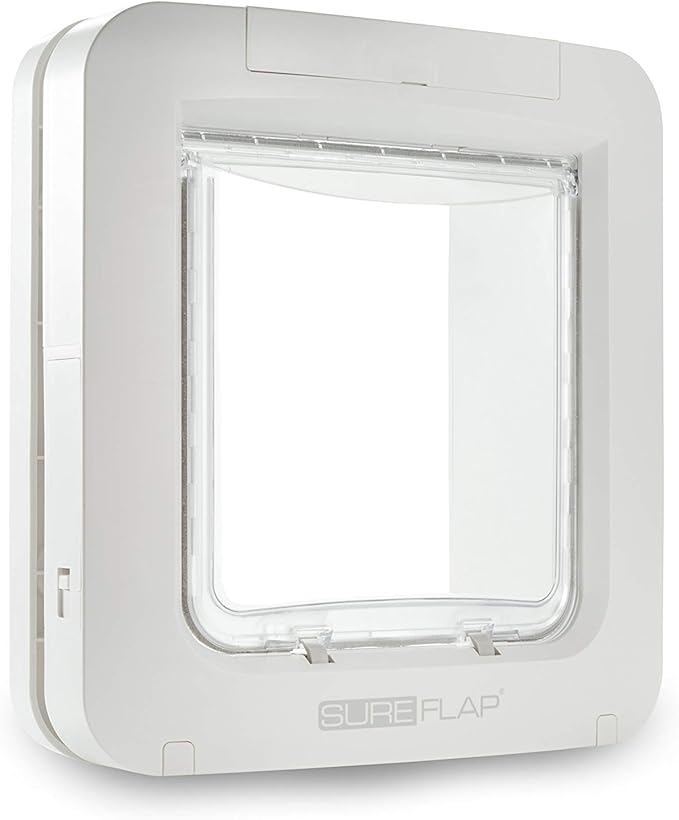
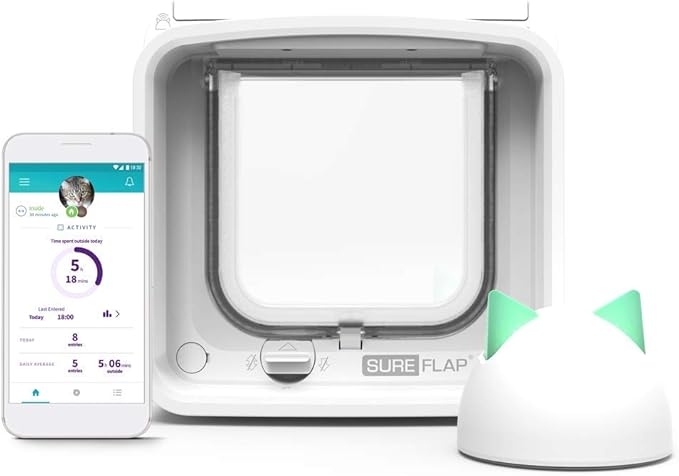
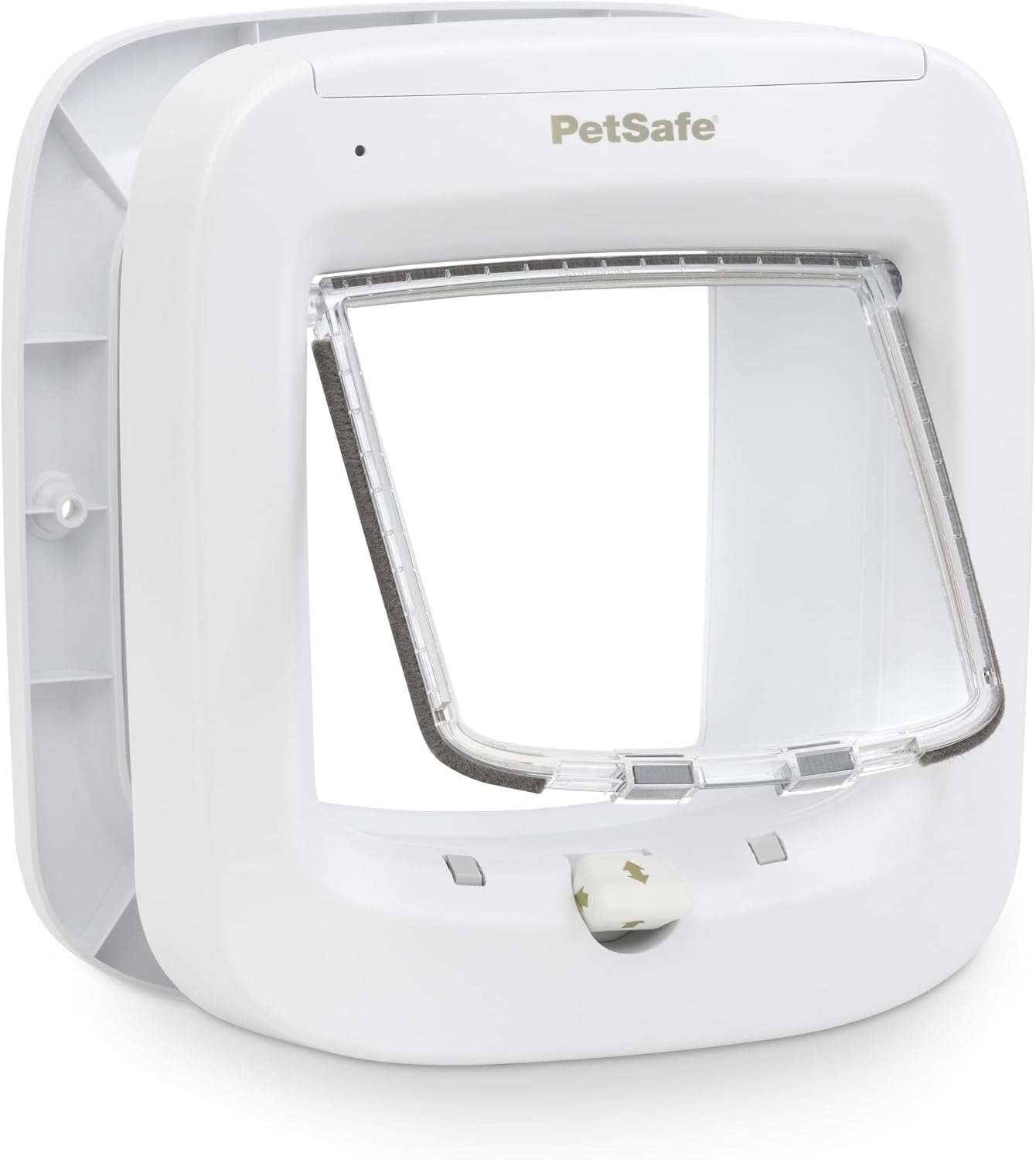
- Microchip cat flap with a dawn/dusk + overnight curfew
- Cat kept in for the first 2–3 weeks after moving house
- Reflective/bright collar with bell
- ID tag (legal in some areas, sensible everywhere)
- Annual vet checks for ticks, lungworm and FIV
This combination delivers most of the welfare benefits of outdoor access while removing the highest-risk windows (night-time roads, dawn hunting peak).
Going Indoor-Only? Compensate Properly
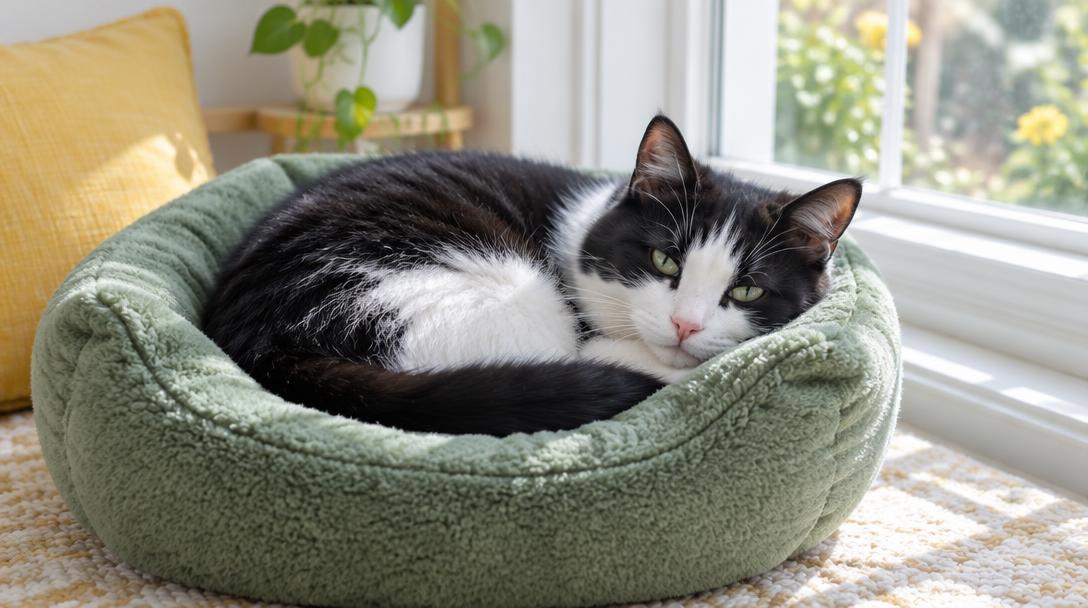
If your circumstances mean indoor-only is the right call (busy road, deaf cat, FIV+, high-rise flat), you must compensate for lost stimulation:
• Vertical space — cat trees, shelves, window perches
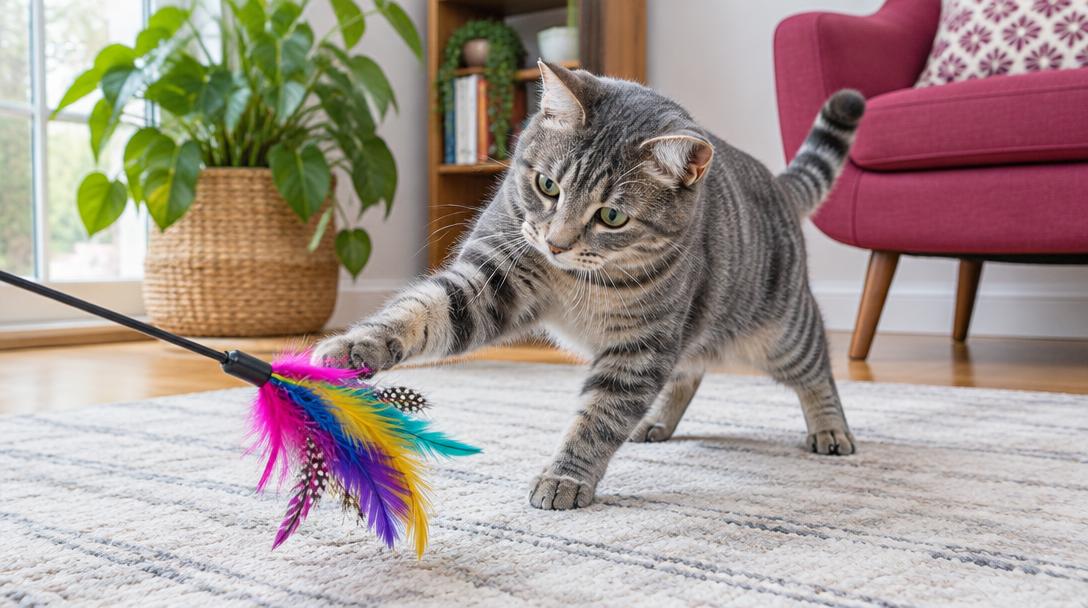
• Daily wand-toy play (15+ minutes split into 2–3 sessions)
• Puzzle feeders (slow eating, mental engagement)
• A catio if you have any outdoor space at all — a 2x2m enclosure transforms an indoor cat's quality of life
Where We Stand
We fit cat flaps for a living, but we won't pretend it's the right answer for every cat. For most UK cats in low-traffic suburban or rural areas, supervised outdoor access via a microchip cat flap with a curfew is the welfare gold standard. For cats next to busy roads or with health conditions, indoor with enrichment is the right call.
Not sure which side of the line you fall on? Send us your postcode and a photo of your door — we'll give you our honest local opinion before you commit to anything.
Shop Microchip Cat Flaps on Amazon:
Manual Cat Flaps: