Indoor Cat Enrichment: Stopping Boredom Without a Cat Flap
Quick Answer: The Indoor Cat Formula
Hunt, climb, forage, watch.
• Hunt: two 10-minute wand-toy sessions daily, always ending with a "catch" and then food. This mirrors the natural hunt-eat-groom-sleep cycle.
• Climb: at least one route to head height or above. Cats measure territory in three dimensions; floor space alone reads as a small territory.
• Forage: replace one bowl meal a day with a puzzle feeder or scattered portions.
• Watch: a window perch with a view of birds, people or weather is the single cheapest enrichment there is.
Do those four consistently and most "my indoor cat is destructive" problems disappear inside a fortnight.
Signs Your Indoor Cat Is Under-Stimulated
| Behaviour | What it usually means |
|---|---|
| 3am zoomies and vocalising | Unspent hunting energy — play later in the evening |
| Over-grooming, bald patches | Stress or boredom (see a vet first to rule out pain and allergies) |
| Door-dashing | Territory feels too small |
| Attacking ankles | Play aggression from too little wand-toy outlet |
| Eating too fast, then vomiting | No foraging challenge — puzzle feed instead |
| Furniture scratching | Too few or badly placed scratching posts |
Boredom rarely looks like a bored cat. It usually looks like a badly behaved one.
Vertical Space Beats Floor Space
A one-bedroom flat with three climbing routes gives a cat more usable territory than a house with none. Practical options:
• Cat tree near a window — the highest platform should be above human head height if space allows.
• Wall shelves in a staggered route, 30–40 cm apart.
• A cleared wardrobe top with a blanket — free, and usually the favourite.
In multi-cat homes, height also prevents conflict: cats resolve status by elevation, so more perches means fewer fights.
Browse cat beds and perches for window and radiator options.
Play That Actually Works
Cats are ambush hunters, not chasers. Effective play:
• Move the toy away from and behind cover, not towards the cat.
• Pause frequently — stalking is most of the fun.
• Always let the cat catch and kill the toy at the end. Play with no catch builds frustration.
• Follow with a meal or treat, then expect grooming and a long sleep.
• Rotate toys weekly; a toy left out permanently becomes furniture.
Wand toys and kickers outperform anything automated. See cat toys for the ones we recommend.
Foraging and Puzzle Feeding
Wild cats make 10–20 hunting attempts a day. A bowl removes all of it. Easy swaps:
• Split the daily ration into five small portions hidden around a room.
• Use a puzzle feeder or snuffle mat for one meal a day.
• Egg boxes, toilet roll tubes and a muffin tin with kibble in half the holes all work for free.
For cats on wet food, use a lick mat instead. Foraging is also the most effective slow-feeding fix for cats that gulp and vomit. See cat food and treats for training-friendly options.
Litter, Scratching and Territory Basics
Indoor cats live entirely inside their toilet and territory, so the basics carry more weight:
• Trays: one per cat plus one, in separate rooms, never next to food.
• Litter depth: 4–5 cm of unscented clumping litter suits most cats.
• Scratching: one vertical post per main room, placed where the cat already scratches — not tucked out of the way.
• Grooming: indoor cats shed year-round in heated homes; brushing twice a week reduces hairballs significantly.
See cat litter and grooming.
If You Do Want Controlled Outdoor Access
Full indoor life doesn't suit every cat. Middle-ground options:
• Catio or secure balcony — outdoor stimulation with zero road risk.
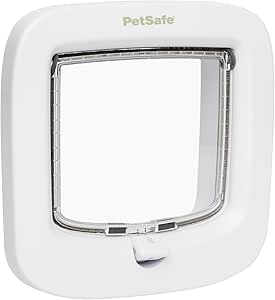
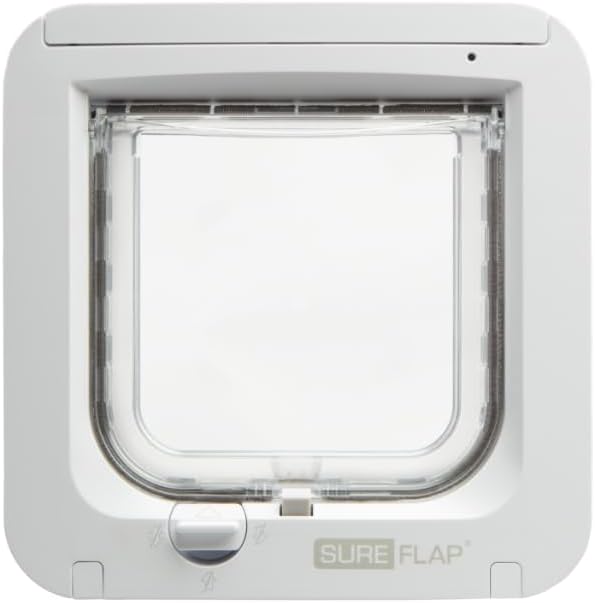
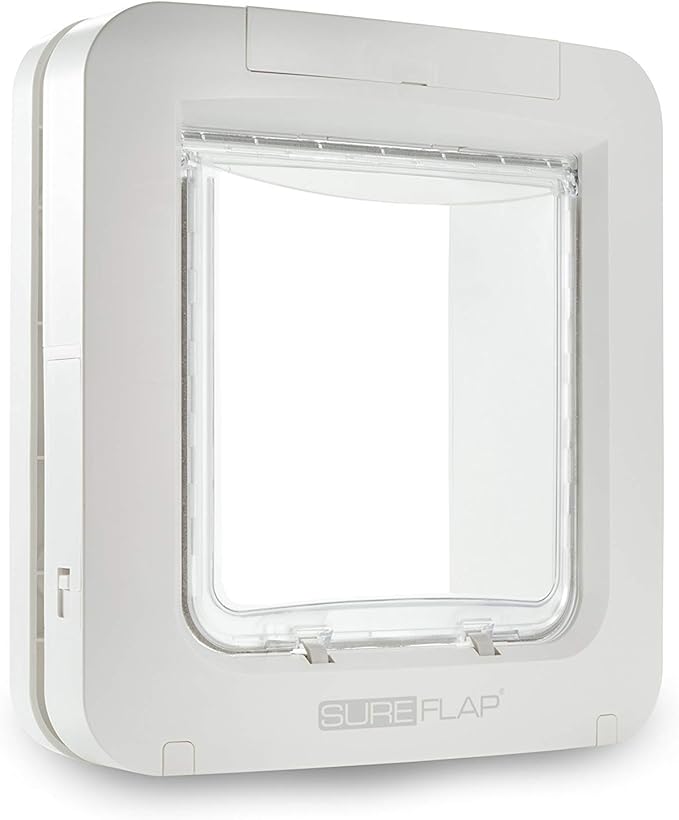
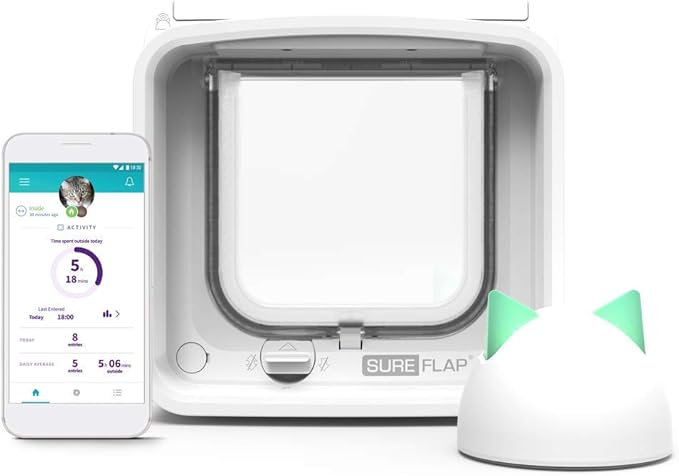
• A cat flap with a curfew timer — free access by day, locked in at night, when most road accidents happen.
• In-only mode — the cat can always get home but only goes out when you allow it.
Microchip flaps also stop neighbouring cats coming in, which is a common trigger for indoor stress and spraying. If a controlled setup appeals, see cat flap installation or request a quote.
Shop Microchip Cat Flaps on Amazon:
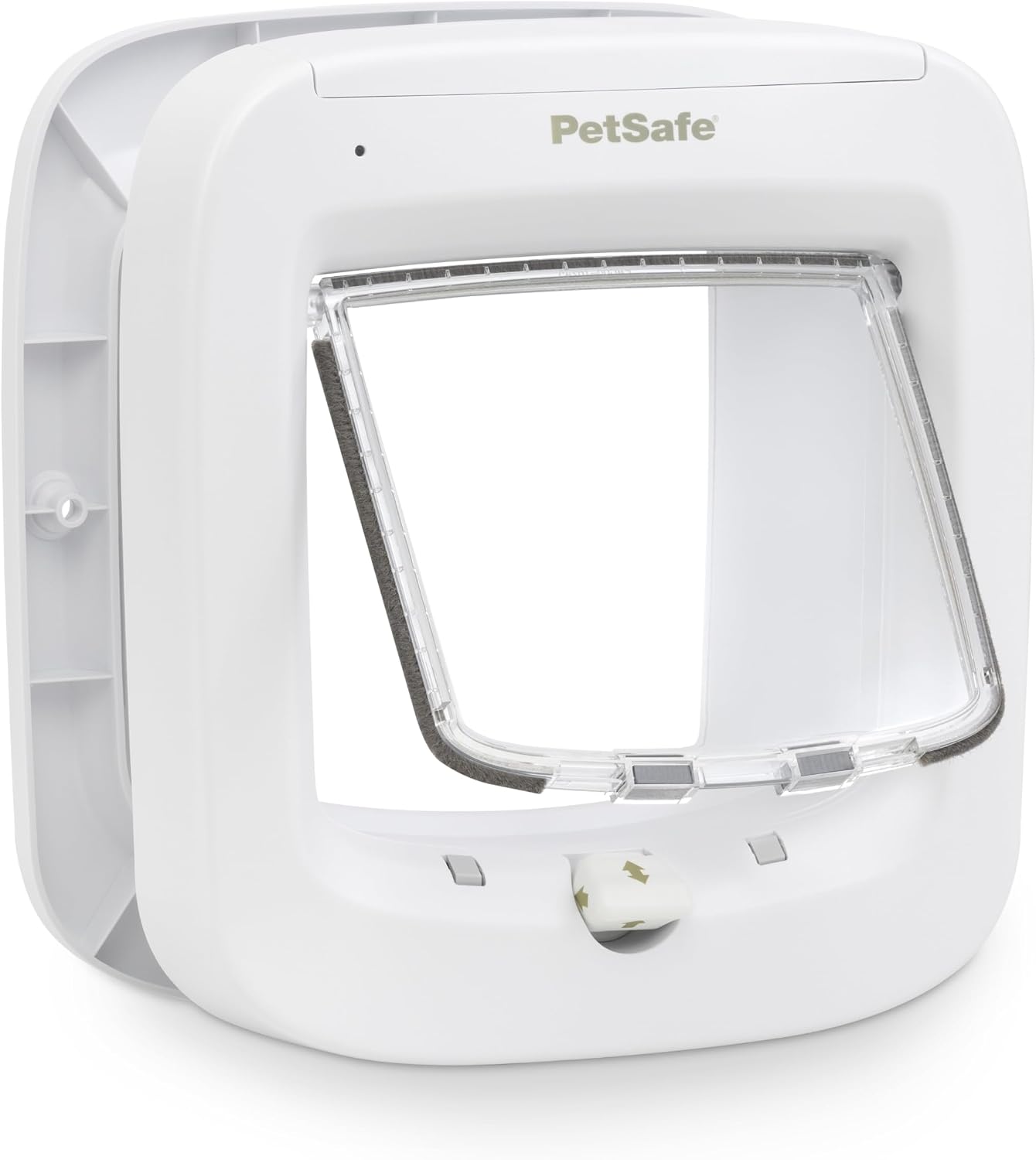
Manual Cat Flaps: