Moving House With a Cat: The 14-Day Settling Plan
Quick Answer: The Rules That Prevent a Lost Cat
- Update the microchip database before you move, not after.
- Cat stays in one closed room on moving day, at both properties, with tray, food, water and a hiding spot.
- Cat stays fully indoors for 2–3 weeks in the new house (longer for nervous or rescue cats).
- First trip out is before a meal, supervised, and short.
- Keep the old bedding unwashed — the smell is the cat's map.
The 14-Day Plan
| Stage | Days | What to do |
|---|---|---|
| Prep | −14 to −7 | Update microchip details, book the vet transfer, start using a pheromone diffuser, leave the carrier out open with treats inside |
| Packing | −7 to −1 | Pack gradually; keep the cat's room until last so the routine is undisturbed |
| Moving day | 0 | Cat in one closed room with a sign on the door, or in a cattery for the day |
| Arrival | 0 | Set up one quiet room first, then move the cat in last, with unwashed bedding |
| Settling | 1–7 | Cat explores the house at its own pace; keep feeding times identical to before |
| Confidence | 8–14 | Cat is relaxed, eating, using the tray and greeting you |
| First outing | 14–21 | Hungry, supervised, short, and just before a meal |
Rushing stage seven is what causes cats to go missing.
Moving Day Itself
• Put the cat in the emptiest, quietest room with the door shut and a clear sign taped to it. Removals teams open doors constantly.
• Feed a small meal only — travel sickness is common and a full stomach makes it worse.
• Line the carrier with something that already smells of home.
• Never transport a cat loose in a car, and never in the removal van.
• On arrival, set the cat's room up *before* the cat comes in: tray in one corner, food and water in another, a covered hiding place, and the same bedding.
A hard-sided, top-loading carrier makes both ends far easier — see cat carriers and travel kit.
Why 2–3 Weeks Indoors Matters
Cats orient by scent and landmarks, not by address. A cat let out on day two has no scent map, no known escape routes, and no reason to see the new house as home — so it heads for the only territory it knows, which is the old one. Cats have walked home over surprising distances after early releases.
During the indoor period:
• Keep meal times identical to the old house.
• Let the cat spread its own scent — don't clean skirting boards and door frames obsessively at first.
• Introduce one new room at a time rather than the whole house.
• Expect hiding for the first 48 hours. It's normal, not a problem.
The First Trip Outside
• Choose a calm, dry day, ideally daylight.
• Go out just before a meal, so the cat is hungry.
• Go outside with the cat, leave the door open, and stay quiet.
• Five to ten minutes is plenty for the first time. Call the cat in and feed immediately.
• Repeat daily for a week, extending gradually.
Rattling the food container at the same time every day builds a recall that will matter for years.
Fitting the Cat Flap in the New House
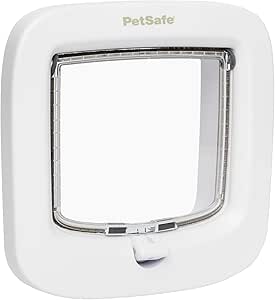
Get the flap fitted during the indoor settling period, with the flap set to locked. That way the cat learns the flap exists, and where the exit is, before it ever opens.
A few things worth deciding up front:
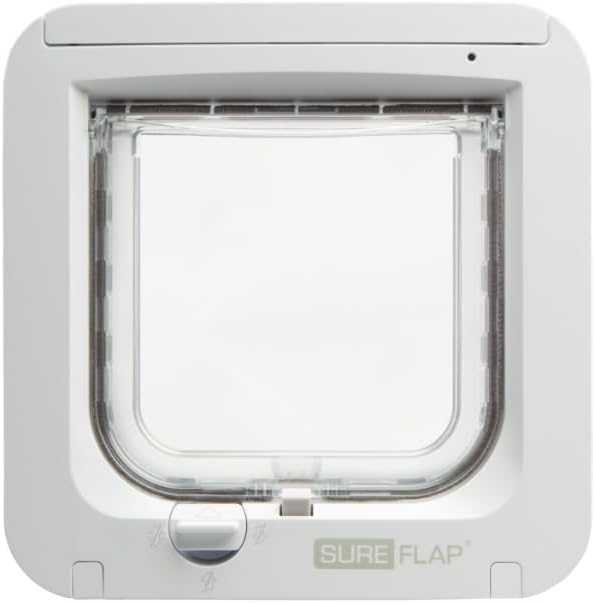
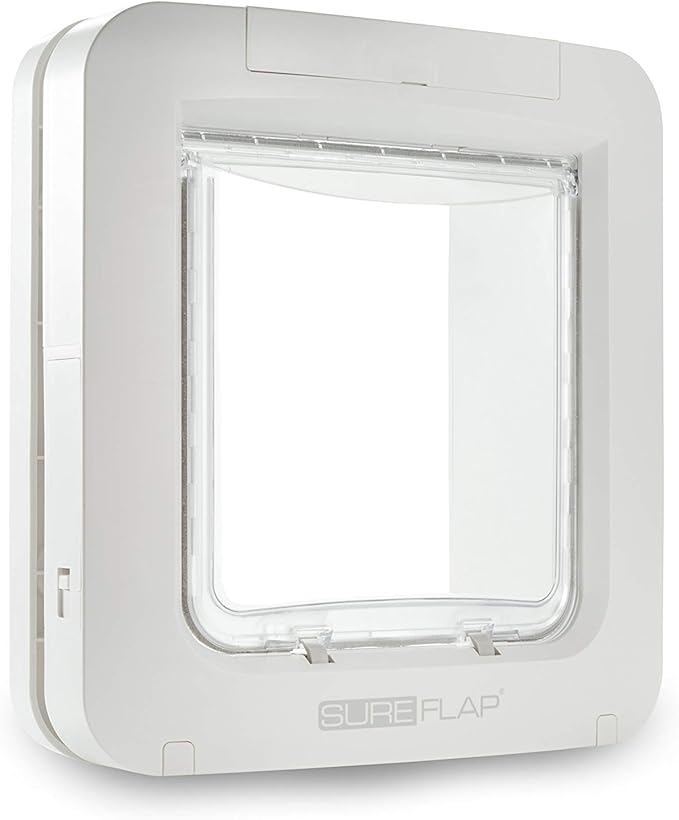
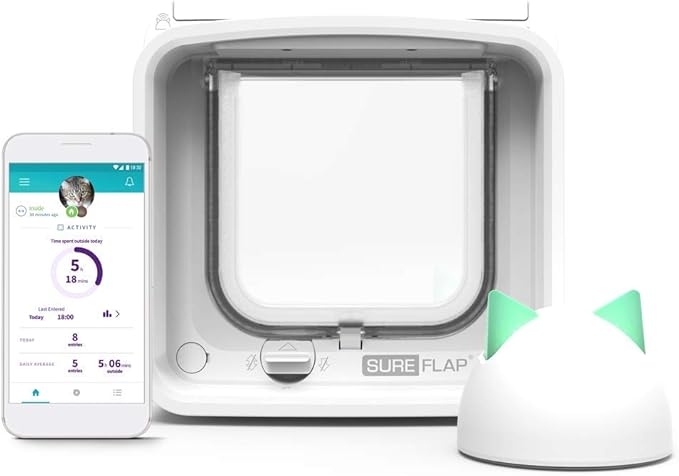
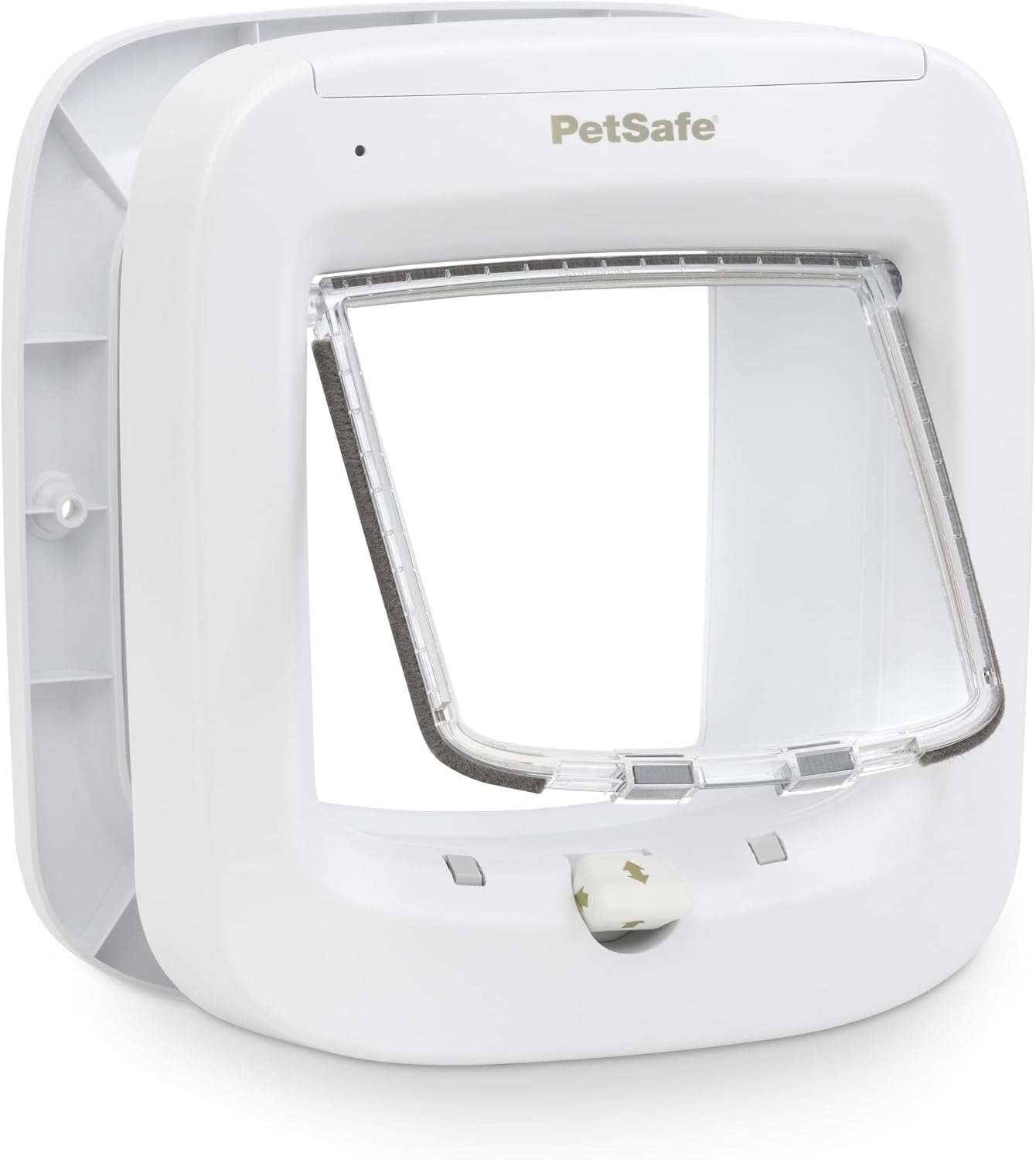
• Microchip flap if the new area has other cats — a new territory with an open flap invites intruders on day one.
• Curfew timer if there are busier roads than you had before.
• In-only mode for the first fortnight of outdoor access, so the cat can always get home.
We fit into uPVC, composite, wooden, aluminium, patio and glass doors across the North West, Yorkshire, Staffordshire and North Wales — see areas we cover or request a free quote.
Shop Microchip Cat Flaps on Amazon:
Manual Cat Flaps: