Winter-Proofing Your Cat Flap: A UK Seasonal Checklist
Why Winter is Hard on Cat Flaps
UK winters combine wind-driven rain, frost, temperature swings of 15°C+ in 12 hours, and damp condensation cycles. A cat flap is the weakest thermal point in your external envelope — small flaws (a compressed seal, a weak magnet, a cracked gasket) that go unnoticed in summer become noisy draughts and water leaks by January.
A 20-minute autumn check prevents the lot.
Check 1: The Perimeter Seal
Open the flap fully. Run a finger around the rubber gasket where the flap door meets the frame. You're looking for:
• Flattened or compressed sections (the rubber has lost its bounce)
• Splits or tears (especially at the corners)
• Gaps where the rubber has come away from its groove
If any are present, order a genuine replacement seal from the manufacturer (SureFlap, Pet-Tek, Closer Pets, PetSafe — all sell them as spare parts). Fit takes 5 minutes.
Check 2: Magnetic Closure Strength
Push the flap closed from outside and let go. It should snap firmly shut with an audible 'thunk' and resist a moderate gust. If it sits 1–2 mm off the seal or swings open easily, the magnet has weakened or moved.
Fix: re-stick the magnetic strip with a dab of contact adhesive, or add a small neodymium magnet (3 × 10 mm) to the frame edge directly beneath. New flaps come with strong N42 magnets; basic flaps after 5–7 years are noticeably weaker.
Check 3: Outside Drainage
Stand outside. Where does rain water go when it hits the door? If water runs *down the door face and across the flap*, you'll get ingress through any seal weakness. Solutions:
• Fit a small acrylic rain hood above the flap (£8 online) — diverts water sideways
• Apply a fresh bead of low-modulus silicone along the top edge of the flap frame on the outside
• Clear the threshold weep holes — clogged weep holes pool water at the bottom of the door
Check 4: Frost on the Catch
Electronic flaps (SureFlap, PetSafe Smart) read the chip with a coil around the aperture. Frost on the coil or on the locking solenoid can cause read failures on the coldest mornings. If your cat is suddenly being rejected at 6am in January, this is usually why.
Fix: spray a thin film of silicone protectant (NOT WD-40) on the inside-facing electronics housing in October. Repeat in January. Don't get any on the sensor face.
Check 5: Condensation Control
Glass-door flaps and aluminium frames condense in winter. The fix is inside the house, not the flap:
• Run the kitchen extractor while cooking
• Don't dry laundry indoors near the flap door
• Crack a window 30 minutes per day for moisture exchange
• For severe condensation, an inexpensive dehumidifier in the room solves it
More tips in our condensation troubleshooting guide.
Check 6: Tunnel Length for Composite Doors
Composite doors are 70 mm thick. Some flap models need a tunnel extender for doors over 50 mm — without it, you get a draught running through the gap between the flap frame and the tunnel. If you can feel cold air sweeping through the flap when it's closed, this is the cause.
Check the manufacturer's spec for your flap and order the correct extender. We always include the right length on our composite door installs.
Check 7: Kitten / Senior Cat Comfort
Cold weather makes seniors arthritic and kittens reluctant. A flap that worked fine in October may stop being used in January because the cat now feels the magnetic resistance more. Fixes:
• Switch to a lower-resistance flap (Pet-Tek glass-fit, SureFlap DualScan)
• Lock the flap inward-only at night so they're not battling cold on exit
• Fit a small awning outside to reduce the cold blast they walk into
Ready for an upgrade or a fresh install before winter sets in? Request a quote — we book several weeks ahead from late September.
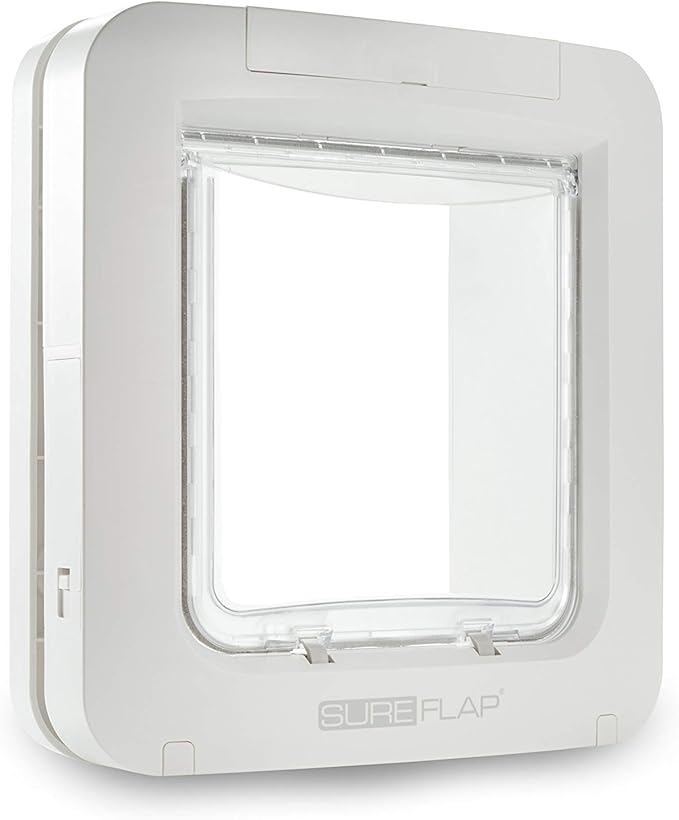
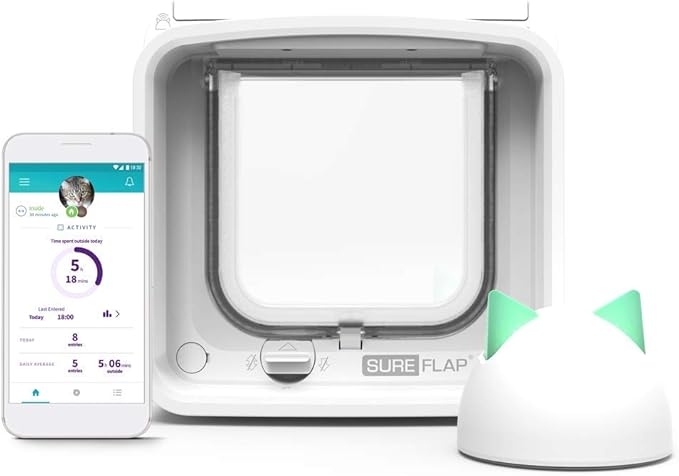
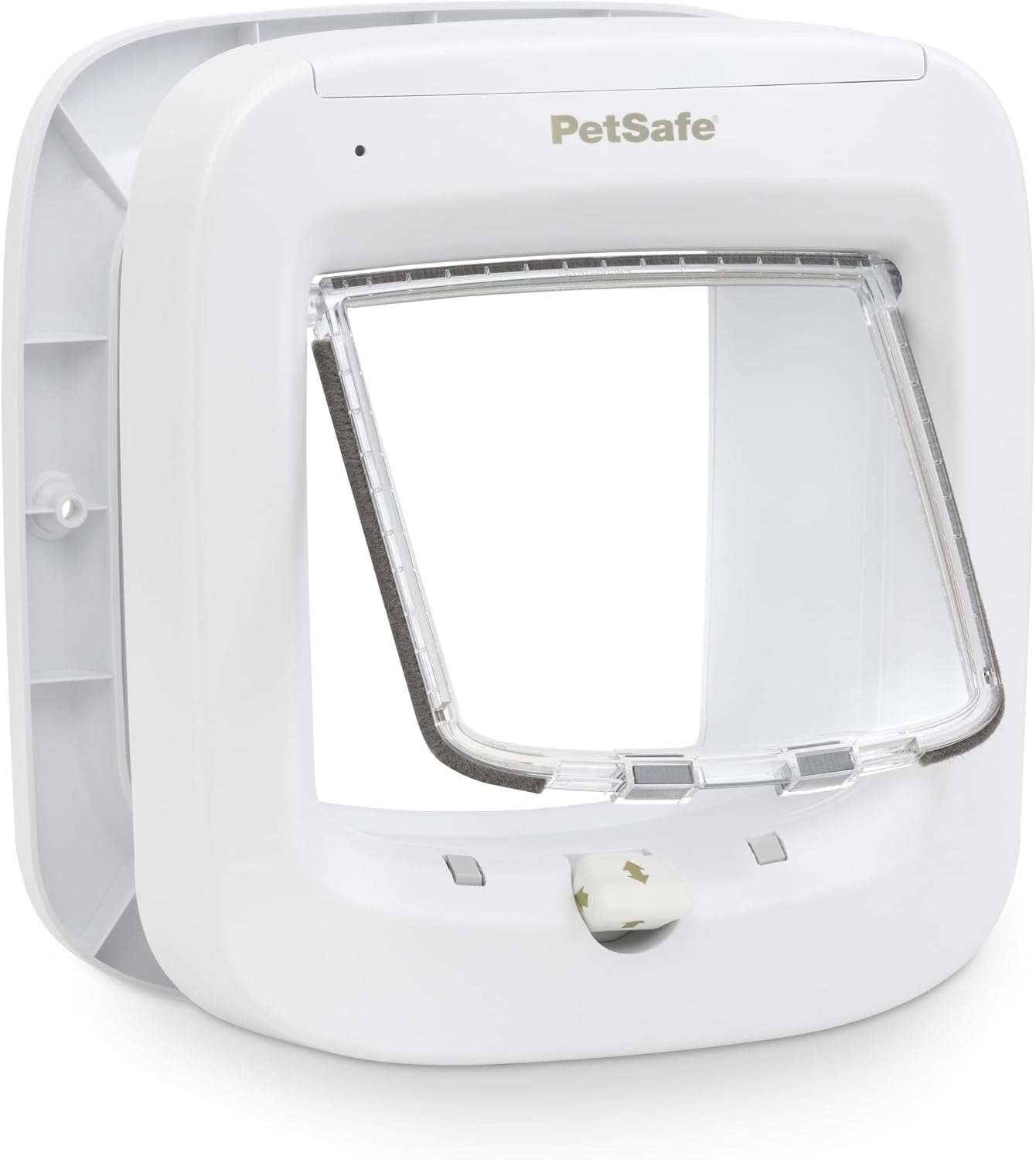
Shop Microchip Cat Flaps on Amazon:
Manual Cat Flaps: