Cat Flap Starter Kit: 9 Things to Buy Before Fitting Day
Quick Answer: The Nine-Item Kit
- The right flap for your door — microchip, manual or app-controlled.
- A spare RFID collar tag — for cats whose chip won't read.
- Good alkaline batteries — cheap cells are the top cause of "the flap has stopped working".
- A mat on the indoor landing spot — stops mud and litter travelling.
- A low-tracking litter — Cat's Best Original or Ever Clean.
- A warm bed near the route in — Bedsure calming bed (£10–£21) or the self-heating pad (£10–£14).
- A brush for muddy paws — aumuca cat brush.
- A wand toy for flap training — feather refills and a KONG Kickeroo.
- A curfew plan — either a timer flap or a fixed evening routine.
As an Amazon Associate we earn from qualifying purchases.
1–3: The Flap, the Tag and the Batteries
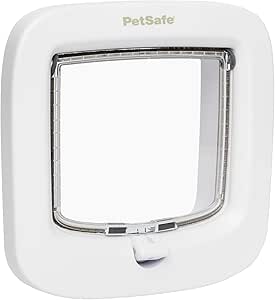
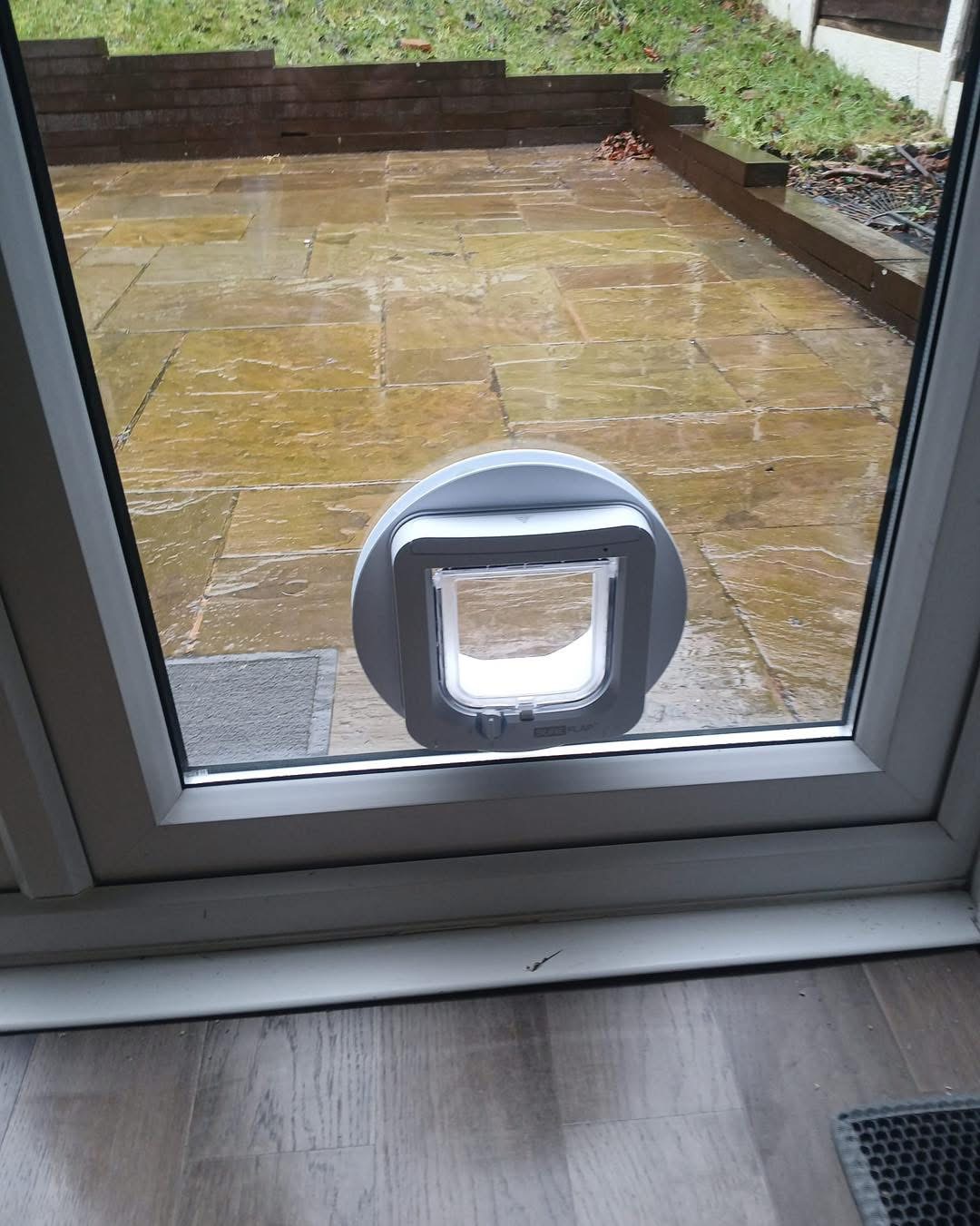
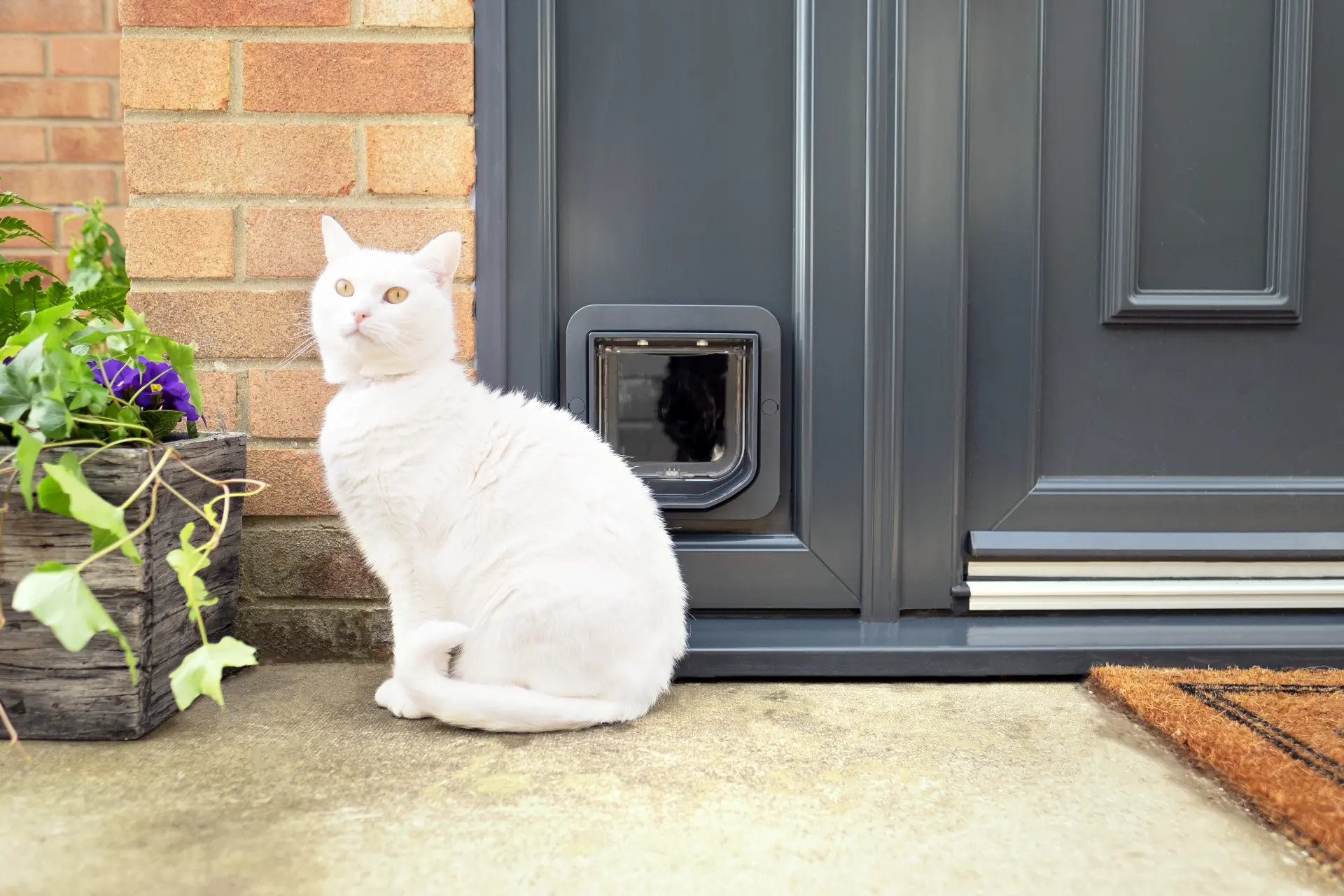
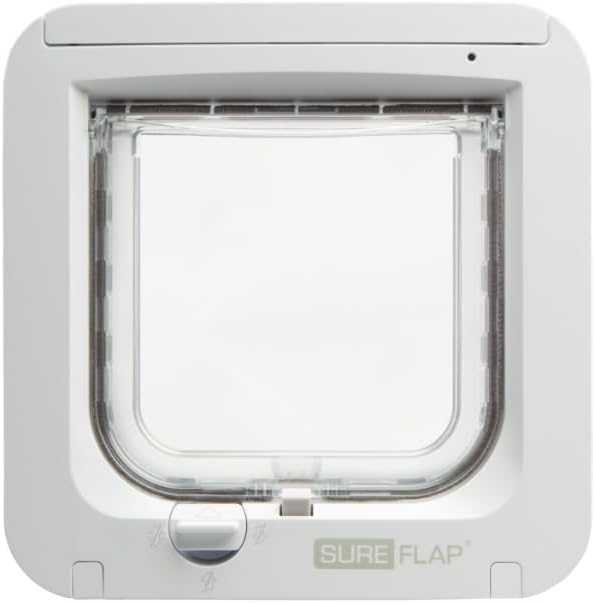
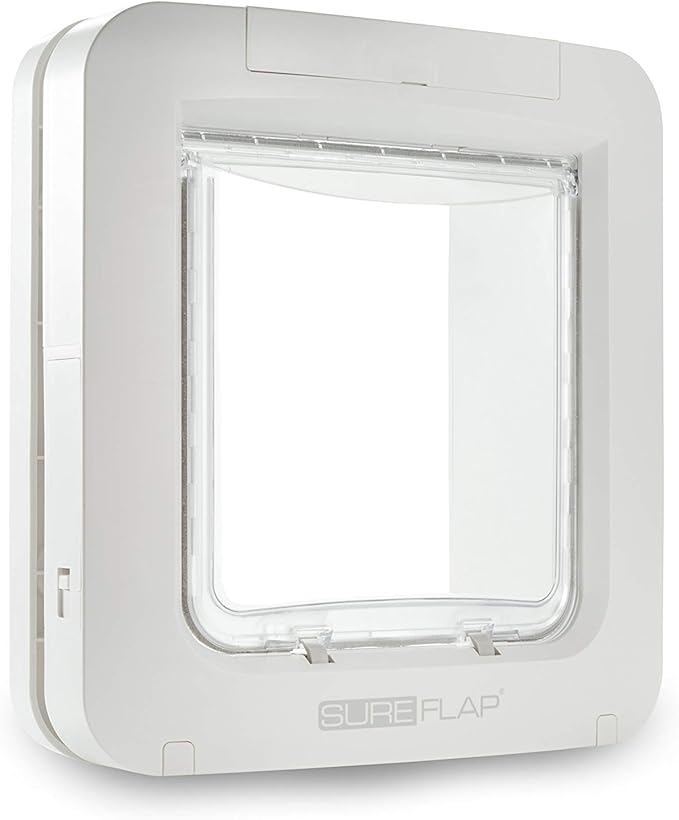
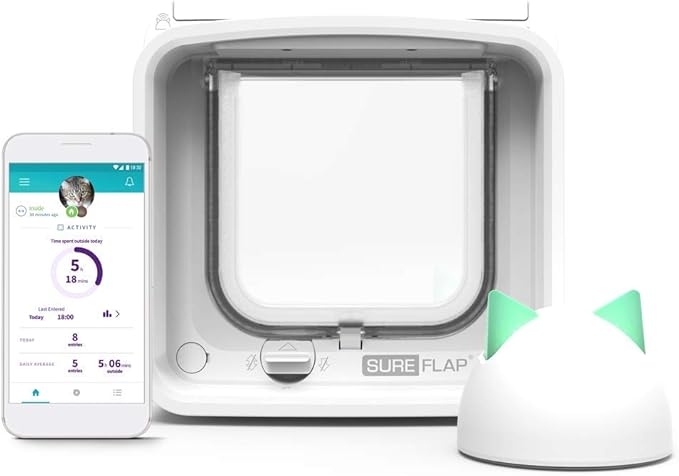
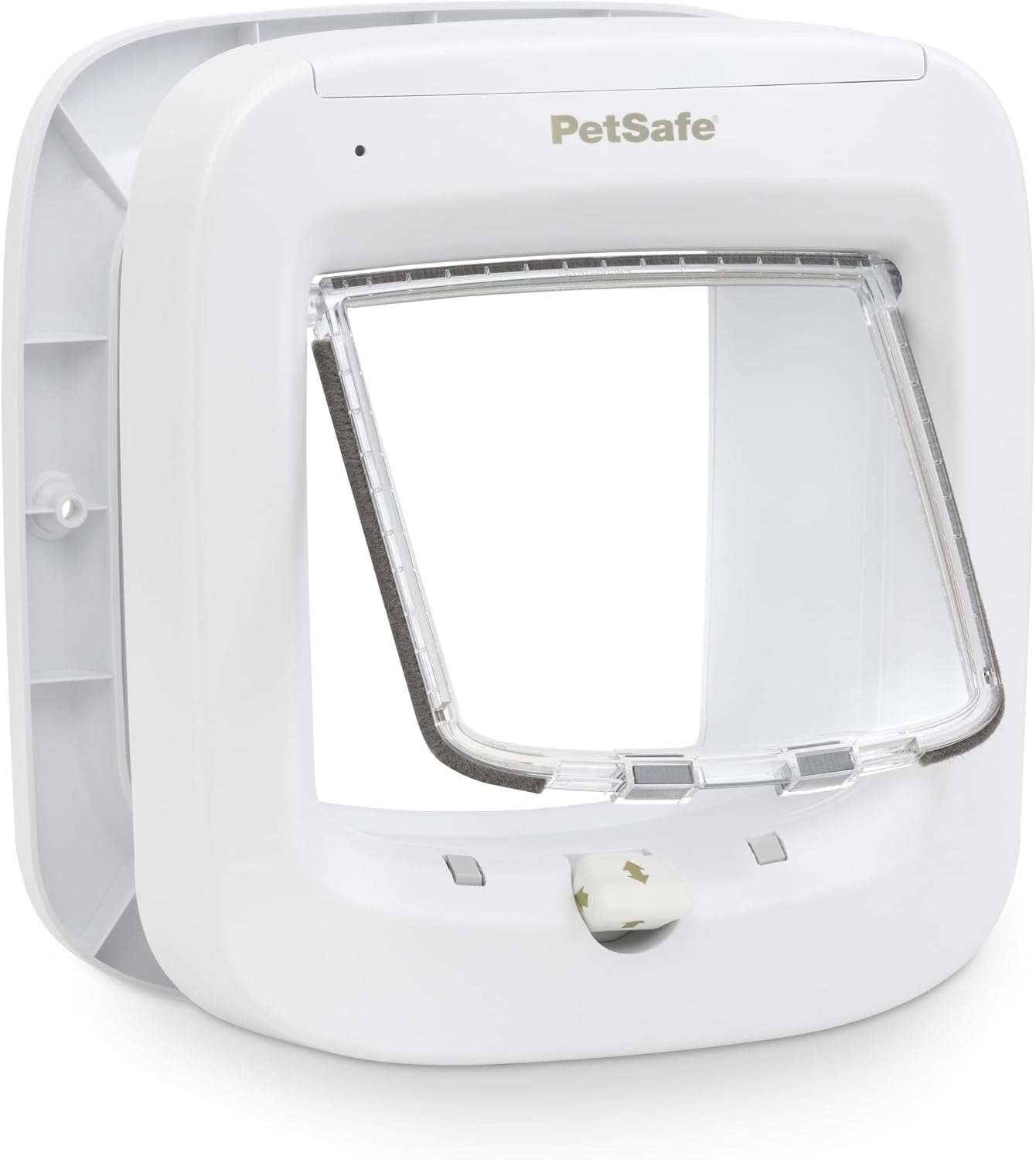
Get the flap right first. Microchip flaps only unlock for your cat's chip; manual flaps use a four-way lock; app-controlled flaps add curfews and activity logs from your phone.
Check your cat's chip will read before you buy with our microchip compatibility checker — and if it won't, every major brand sells an RFID collar tag that works instead.
Batteries matter more than people expect. Use good-quality alkalines, not rechargeables: rechargeable cells sit at a lower voltage and microchip flaps read them as flat weeks early. See cat flap battery life compared.
4–6: The Bits That Save Your Hallway
The indoor landing spot takes all the mud. A washable mat there does more than any amount of hoovering.
A warm bed within a couple of metres of the route in gives your cat somewhere to dry off and settle instead of heading straight for the sofa. Cheap self-heating pads work well because they reflect the cat's own body heat — no wiring, no running cost.
On litter, go for heavier granules that drop off wet paws — full detail in best cat litter for a cat with a cat flap.
7–9: Training and Routine
Most cats learn a flap in three to seven days. A wand toy through the open flap is the fastest teacher — the cat chases, the flap swings, the noise stops being frightening. Tape the flap open for the first two days, then let it swing.
For a full plan, follow our 7-day cat flap training plan.
A curfew keeps cats in overnight, when most road accidents happen. Either buy a flap with a timer or lock it manually at the same time each evening — cats adapt to routine quickly.
What It All Costs
| Item | Typical UK cost |
|---|---|
| Microchip cat flap | £60–£130 |
| Spare RFID collar tag | £8–£15 |
| Alkaline batteries (year's supply) | £8–£12 |
| Landing mat | £8–£20 |
| Litter (first bag) | £8–£20 |
| Bed or heated pad | £10–£35 |
| Grooming brush | £8–£20 |
| Wand toy and refills | £6–£12 |
| Professional fitting | from £60 uPVC, from £280 into new glass |
Realistic total: £120–£220 plus fitting, depending on the flap.
Shop the Kit
• Cat flap showcase — the models we actually fit
• Cat beds · Cat litter · Cat toys · Cat grooming
• Compare cat flaps side by side
Ready to book? Get a fitting quote — we cover the North West, North Wales, Yorkshire and Staffordshire.
Shop Microchip Cat Flaps on Amazon:
Manual Cat Flaps: