How Cats Actually See and Learn the Cat Flap (It's Weirder Than You Think)
Cats Don't See What You See
Three quick facts that change how you should introduce a cat flap:
• Cats see roughly 1/6th the colour range of humans — they're effectively blue-yellow dichromats. To your cat, the bright red SureFlap logo and the brown door look almost identical.
• They have 6–8x better low-light vision than we do, thanks to the tapetum lucidum (that's why their eyes glow).
• They're naturally far-sighted at close range — anything within ~25cm of their face is blurry. They're navigating with whiskers, not eyes.
Why This Matters at the Flap
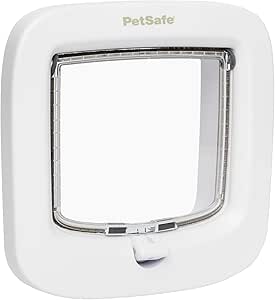
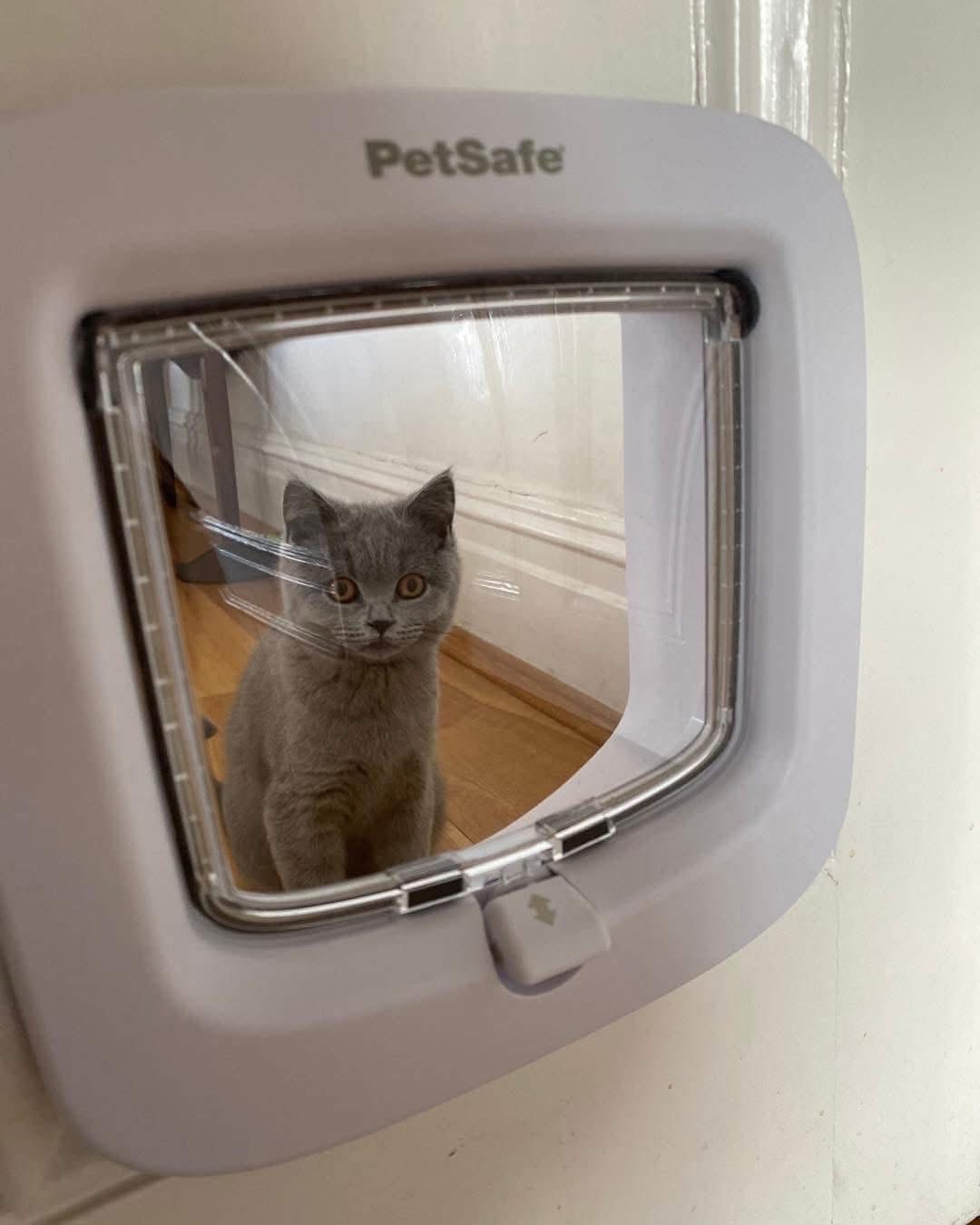
When your cat first approaches a new flap, what they see is essentially a blurry, low-contrast rectangle of slightly different shading with a strange smell and an unfamiliar magnetic click. No wonder so many take a few days to commit.
The traditional advice — 'just push them through it' — actively makes this worse. You're forcing them through a sensory unknown, which triggers their threat response and pairs the flap with stress.
The Training Method That Actually Works
Based on how cats actually perceive the flap, here's the sequence we recommend to every customer:
Day 1–3: Lock it fully open. With the flap held up (most models have a 4-way lock setting for this), your cat sees a clear hole with daylight or garden visible through it. This is the single most important step. ~70% of cats will be using it of their own accord by day 3 in this state.
Day 4–5: Half-open. Wedge the flap open with a small piece of tape so it hangs at 45 degrees. The cat learns that pushing slightly = movement.
Day 6–7: Fully closed, magnet engaged. Most cats now push through without thinking about it.
Day 8+: Activate microchip mode. If you've gone for a SureFlap or PetSafe microchip flap, switch on the chip-only mode now. The 'click' as the lock releases is paired with successful entry, not with fear.
Smelly Tricks That Help
Because cats lead with their nose, scent transfer speeds up flap learning hugely:
• Rub a soft cloth on your cat's cheeks (where their facial pheromone glands are) and wipe it on both sides of the flap frame. The flap now smells 'safe'.
• Spray Feliway Classic on the flap frame (not the flap itself — it'll wear off).
• Place a treat or piece of cooked chicken on each side of the open flap for the first few days. Pair the flap with food, not anxiety.
Common Training Mistakes
Pushing them through. Causes long-term flap aversion in nervous cats. Don't.
Calling them through. They'll come to your voice, but they associate the flap with the panic of being half-stuck. Use treats placed *behind* the flap instead, so the cat decides to come through.
Activating microchip mode too early. The release click can spook a cat that's still figuring out what the flap *is*. Always finish the manual training week first.
Giving up after 3 days. The slowest cat we've seen took 6 weeks. They got there.
When to Call for Help
If after 4 weeks of correct training your cat still won't use the flap, the issue is almost always one of:
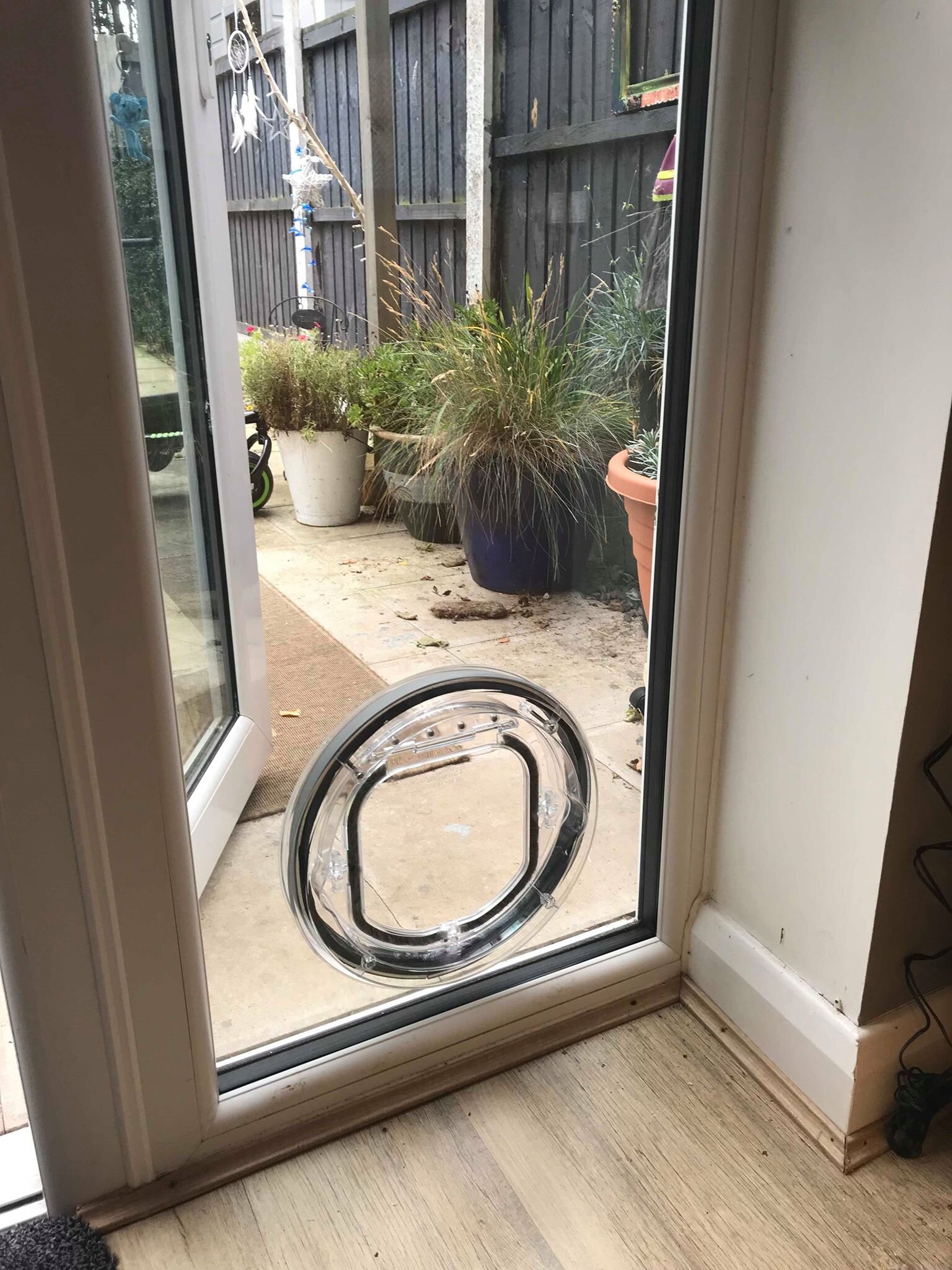
- The flap is too small (need to upsize to a Pet Door)
- The cat is genuinely indoor-preferring (see our breed guide)
- Another cat (yours or a neighbour's) is intimidating them at the flap — solve with a microchip flap that excludes the bully
We're happy to advise on any of these. Drop us a message with your situation and we'll point you to the right fix — even if it's not a new installation.
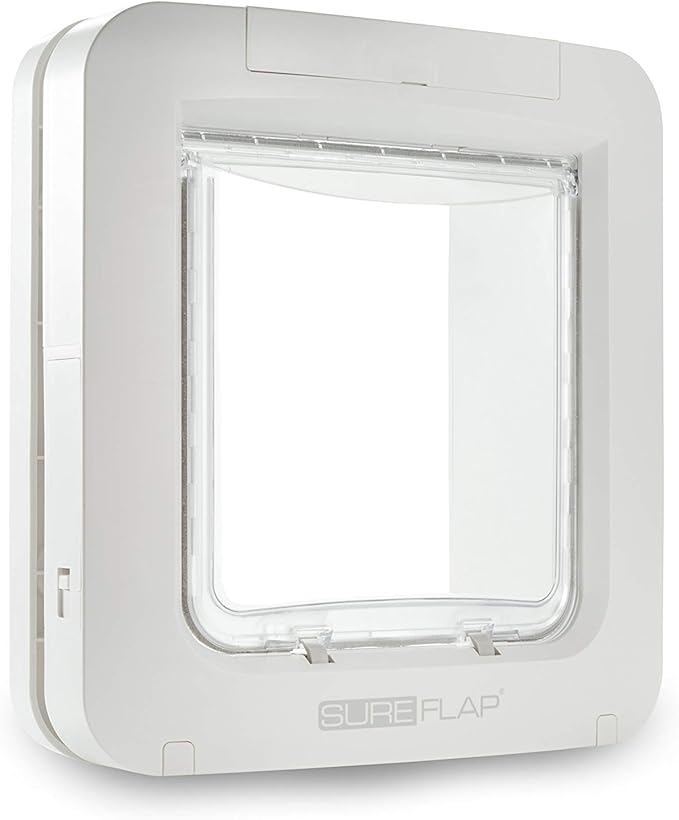
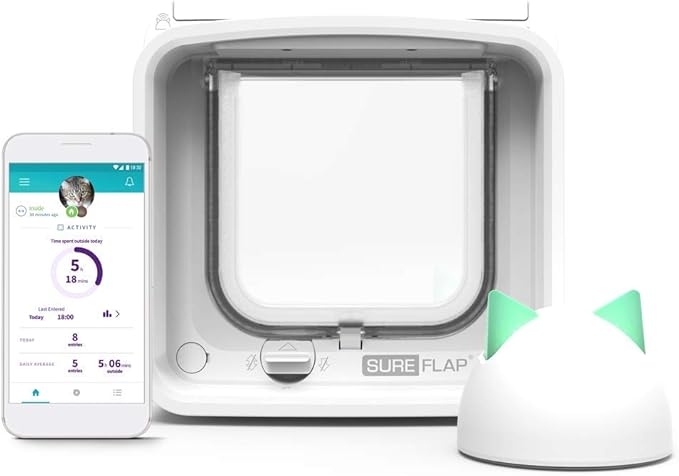
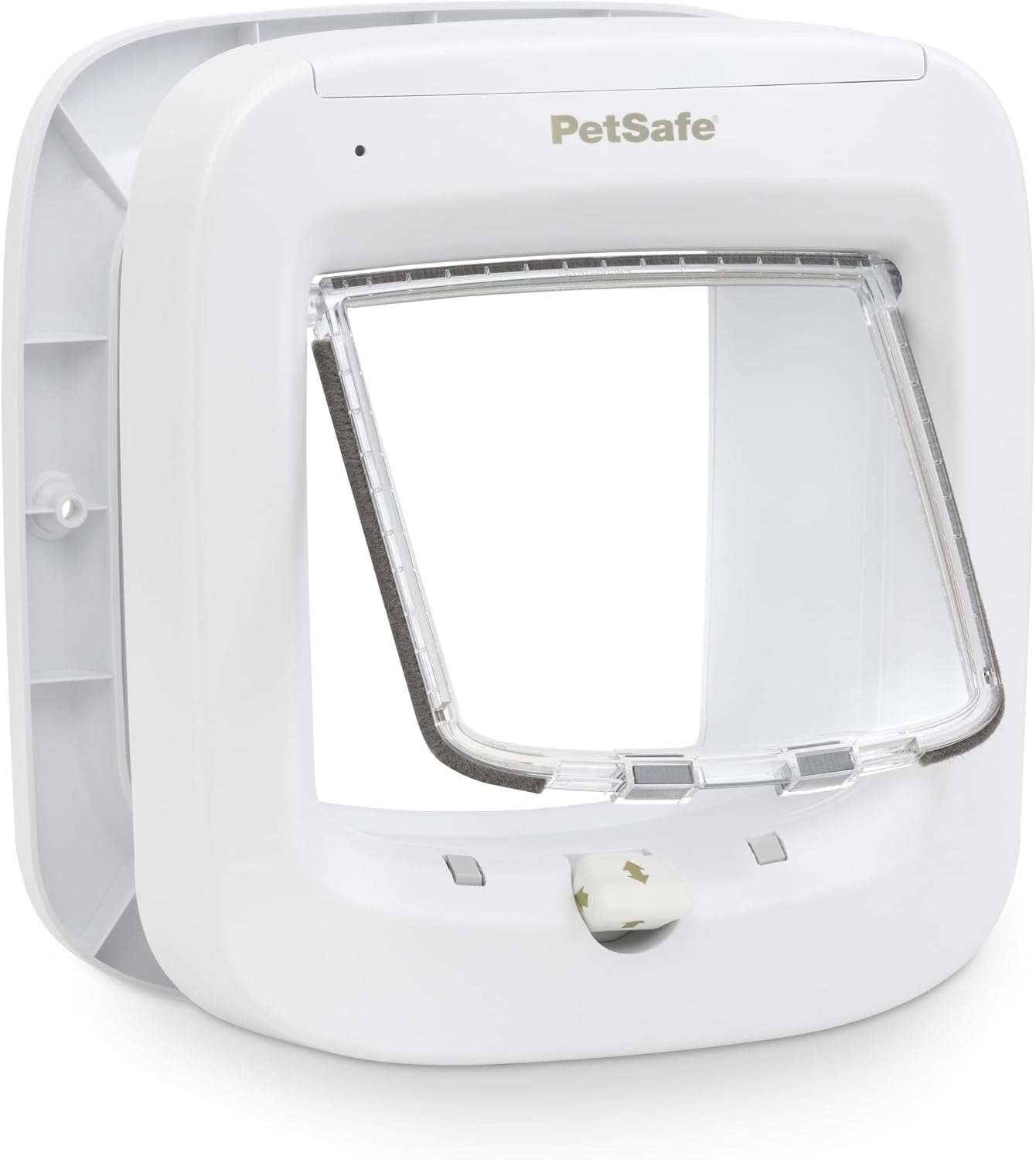
Shop Microchip Cat Flaps on Amazon:
Manual Cat Flaps: