How to Keep Your Dog Out of the Litter Box (2026): 7 Fixes That Actually Work
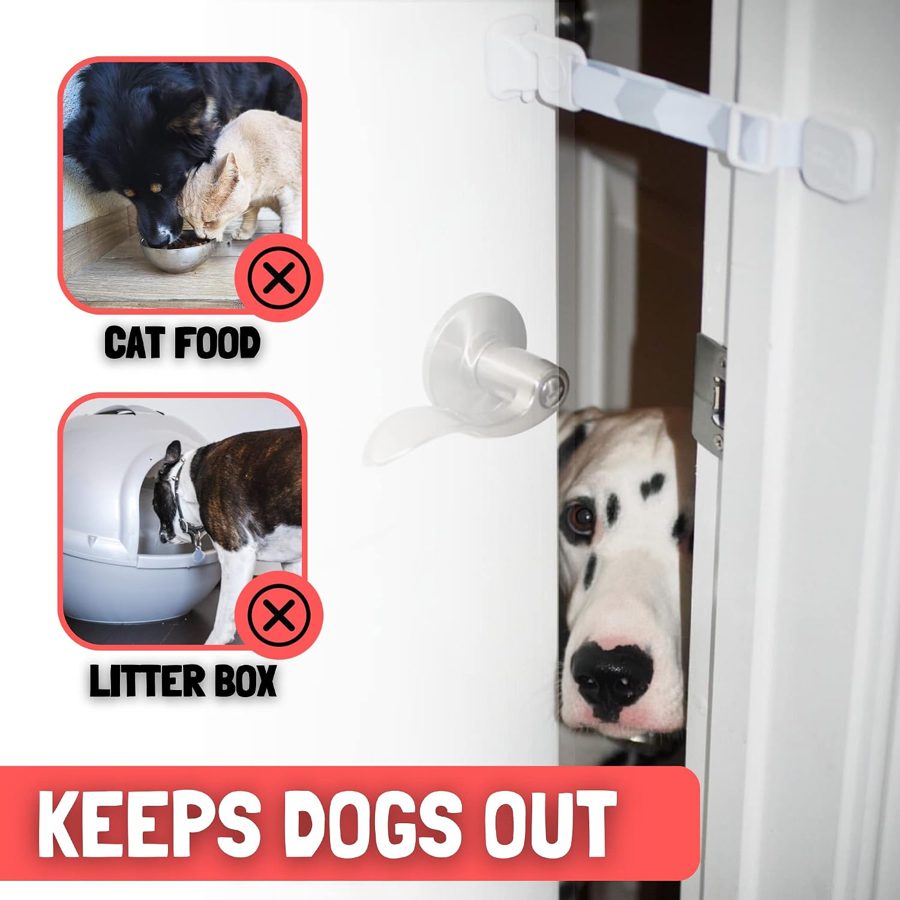
Quick Answer: The Best Way to Keep a Dog Out of the Litter Box
• Best overall: Door Buddy Adjustable Door Strap — no tools, fits in minutes, renter-friendly. Read our full Door Buddy review.
• Best for open-plan homes: a pet gate with a built-in cat door — blocks a hallway or laundry room.
• Best for small dogs: a top-entry litter box — most dogs can't (or won't) climb in.
• Best permanent fix: an interior cat door cut into a hollow-core door.
Why Dogs Eat From the Litter Box
It's gross, but normal. Cat food is high in protein, so cat waste smells like a snack to many dogs (vets call it coprophagia). Beyond the ick factor, it can spread parasites and clumping litter can upset a dog's stomach. The goal isn't training alone — it's making the box physically impossible for the dog to reach while your cat keeps easy access.
The 7 Fixes Compared
| Fix | Typical price | Drilling? | Best for |
|---|---|---|---|
| Door Buddy strap | $25–$30 | No | Renters, any dog size up to ~110 lb |
| Pet gate with cat door | $40–$90 | No | Open doorways, hallways |
| Top-entry litter box | $30–$50 | No | Small and short dogs |
| Hooded box facing a wall | $25–$40 | No | Lazy or small dogs |
| Interior cat door | $20–$50 + fitting | Yes | Homeowners, permanent fix |
| Raised box on a shelf | $0–$40 | Sometimes | Agile, confident cats |
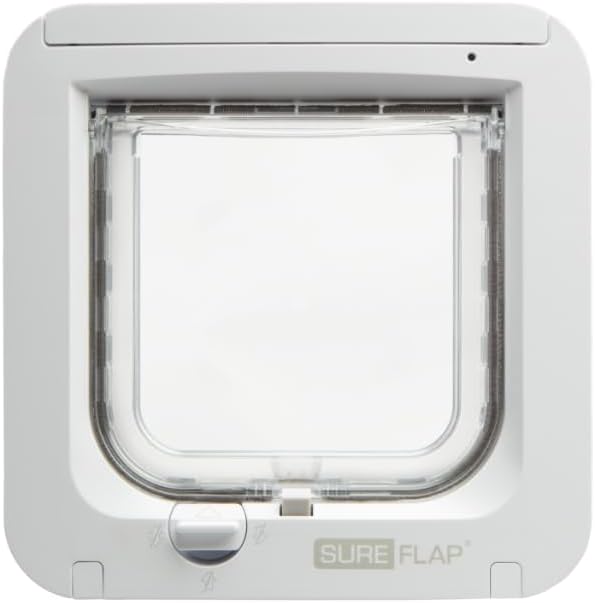
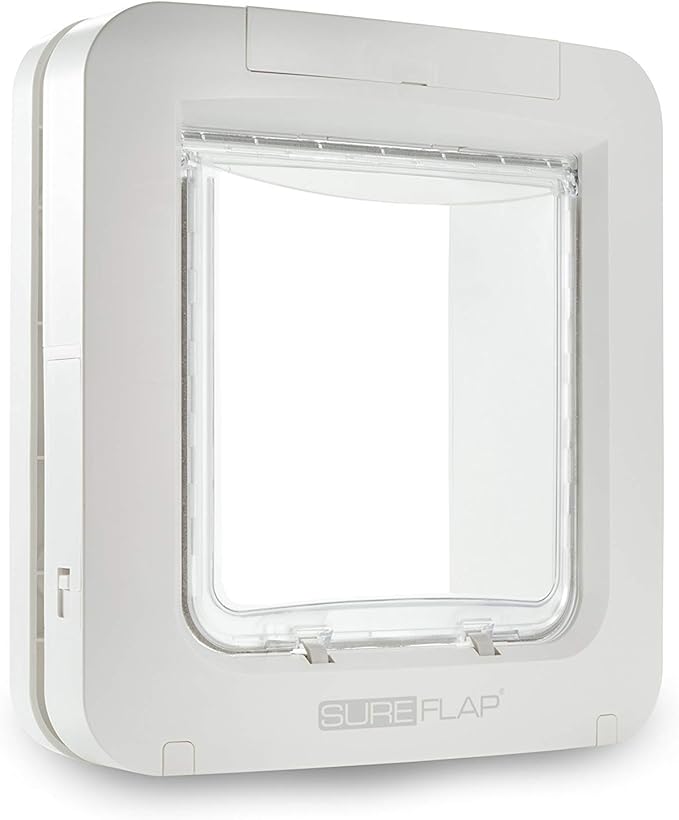
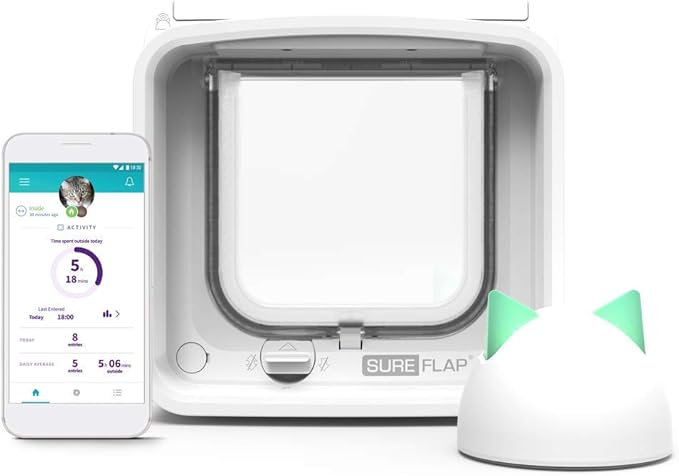
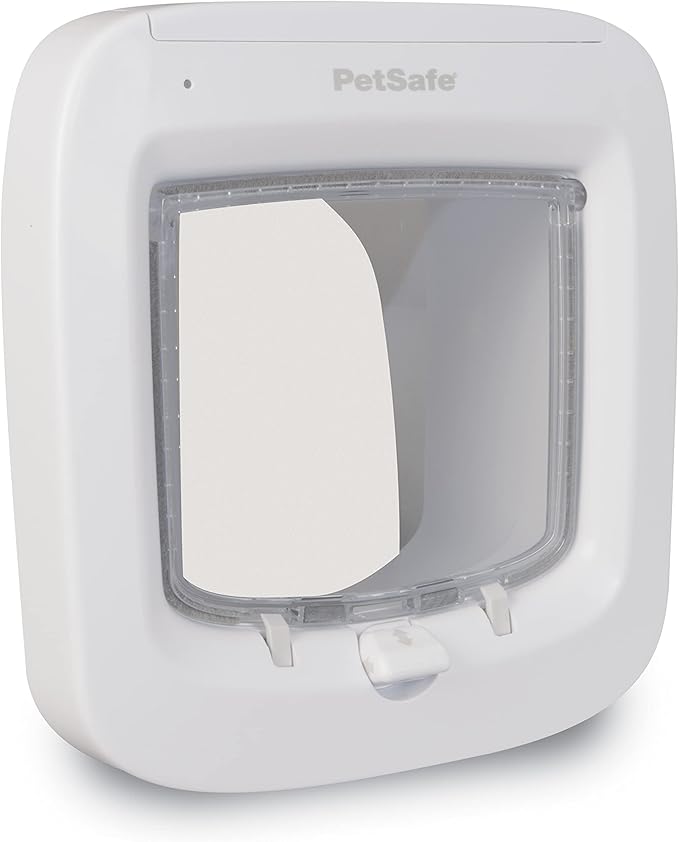
| Microchip pet door | $150–$250 | Yes | Keeping a dog out of a whole room |
For most households we'd start with Door Buddy — it's the cheapest option that works with any dog and is removable when you move.
Fix #1: Door Buddy — Our Top Pick
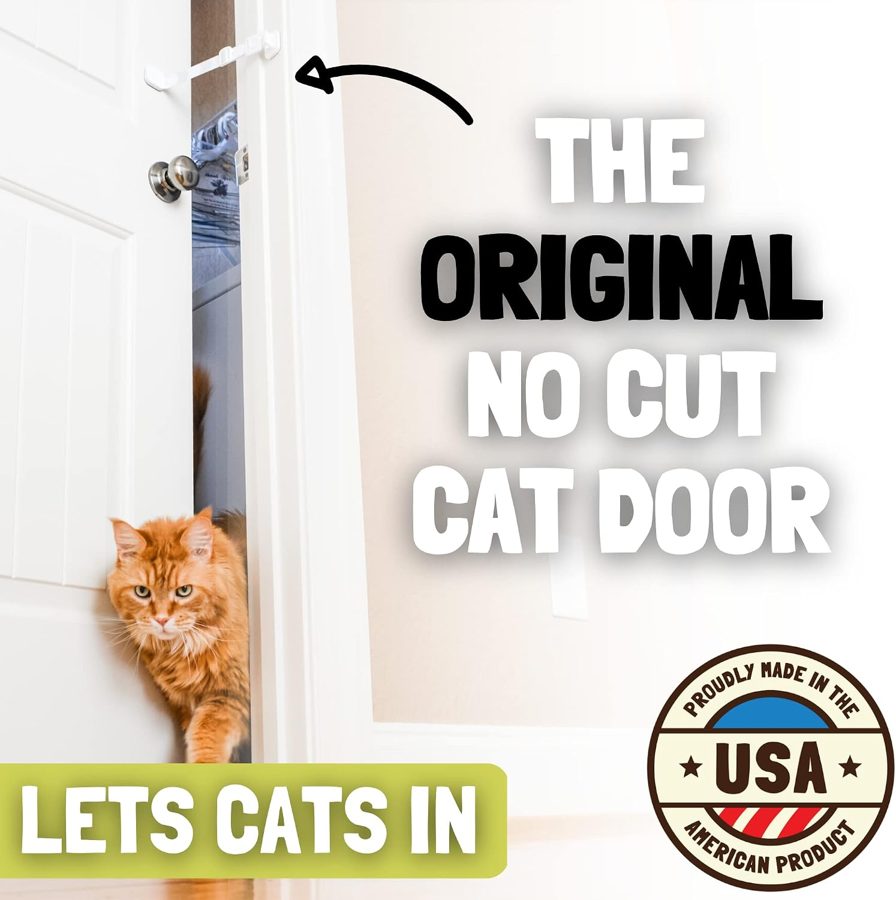
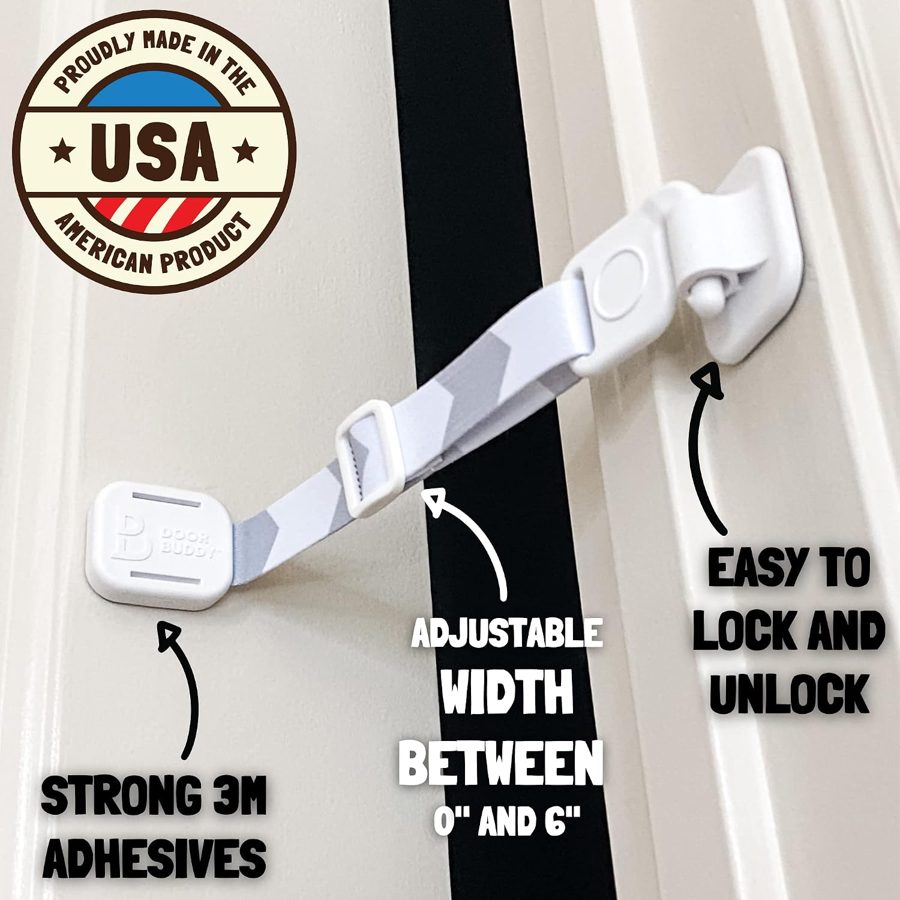
Door Buddy is an adjustable strap with 3M peel-and-stick pads. One end sticks to the door, the other to the frame, and the adjuster sets a gap from closed up to about 6 inches. Your cat squeezes through; your dog can't. Unhook the latch and the door works normally.
Why we like it: no screws, no holes, works on standard, bifold, sliding, pocket and double doors, and it's made in the USA. Watch out for: adhesive failing on drywall or textured paint — stick it to the door and the wooden frame, clean both with rubbing alcohol first, and let the pads cure for a few hours.
Check the Door Buddy price on Amazon.com · Full Door Buddy review
Fixes #2–#4: Gates, Top-Entry and Hooded Boxes
Pet gate with a cat door — great when the litter box lives in a laundry room or basement with no door you can strap. Pick a pressure-mounted gate so there's no drilling.
Top-entry litter box — cats hop in through the lid; small dogs can't. Also cuts litter tracking. Not ideal for senior or arthritic cats.
Hooded box turned to face a wall — leave just a cat-width gap. Free if you already own a hooded box, but a determined Lab will shift it.
Fixes #5–#7: Permanent Options
Interior cat door — the tidiest long-term answer. Most US interior doors are hollow-core, so fitting takes a jigsaw and under an hour. The door can then close fully.
Raised shelf — put the box somewhere only a cat can jump. Only works for young, agile cats.
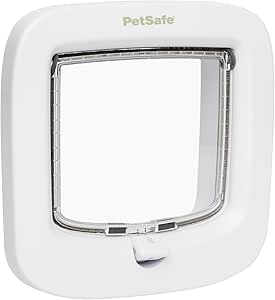
Microchip pet door — opens only for your cat's chip, so the dog stays out even if it's small enough to fit. See our best microchip cat door guide.
Related Guides
• Door Buddy review (US)
• Best microchip cat door (US)
• Microchip cat door not working? 7 fixes
As an Amazon Associate we earn from qualifying purchases at no extra cost to you. Prices are typical and change often.
Shop Microchip Cat Flaps on Amazon:
Manual Cat Flaps: