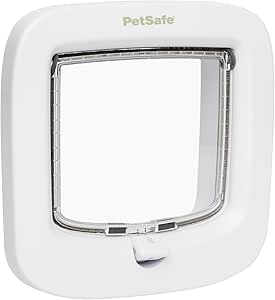
How to Draught-Proof a Cat Flap: Stop Cold Air Coming In
Quick Answer: Find the Cause in Two Minutes
Hold a lit candle or a thin strip of tissue next to the closed flap on a windy day and watch where it moves:
• Air comes through the flap itself → weak or dirty magnet, or a warped flap. Clean the magnet contact strip; replace the magnet or flap.
• Air comes around the edge of the flap → perished or flattened brush seal. Replace the seal, or the flap if the seal isn't a separate part.
• Air comes around the outside of the frame → the aperture was cut oversized or the frame isn't sealed. Needs re-trimming and resealing.
• Air only when it's windy → the flap is on an exposed, wind-facing door. A wind shield or a dual-flap model fixes it.
Do the test with the heating off and internal doors shut — you'll feel far more.
Fix 1: The Magnet (Cheapest, Most Common)
Most manual flaps hold shut with a small magnet strip on the flap and a metal catch on the frame. Over a couple of years the strip attracts iron dust, hair and grit, and the hold weakens until the flap sits a millimetre proud.
• Wipe both the magnet and the catch with a dry cloth — do not use oil.
• If the flap still rattles, buy a replacement magnet strip for your model (£3–£8) rather than the whole flap.
• On heavier flaps, some owners add a second magnet. It works, but if it's too strong a nervous cat will stop using the flap. Test it with your cat before committing.
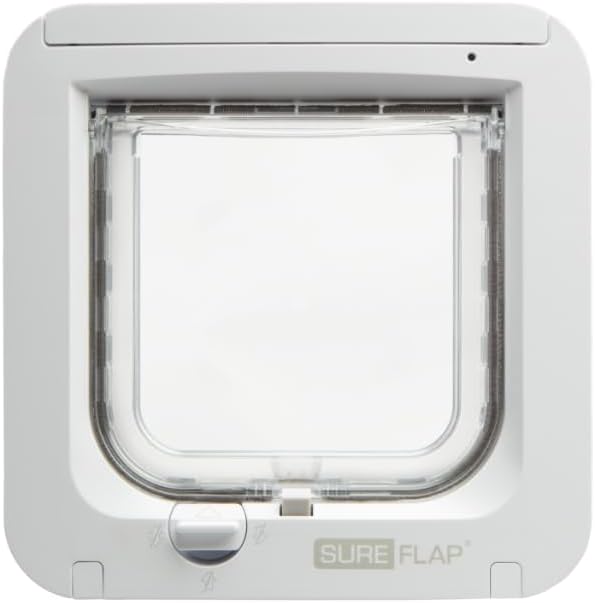
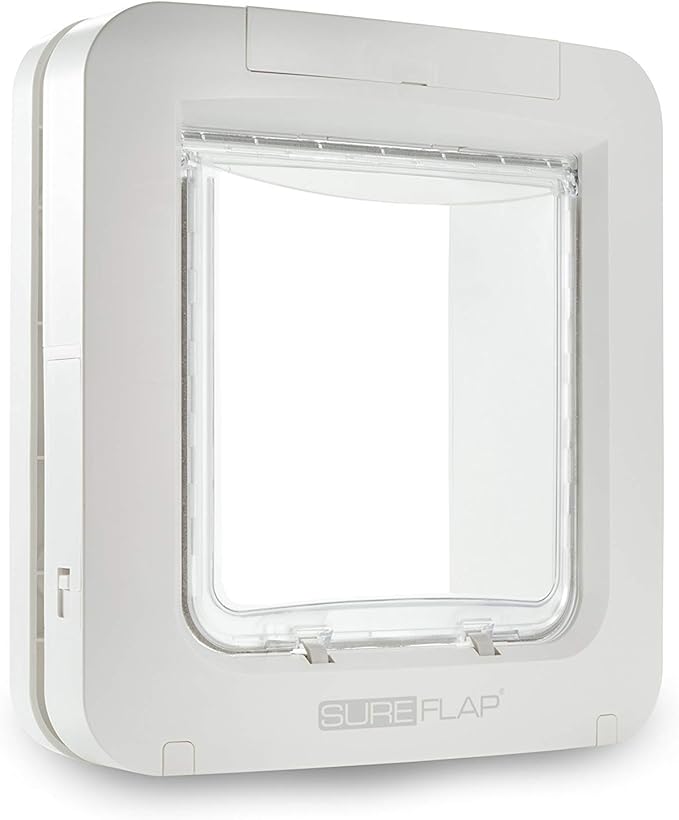
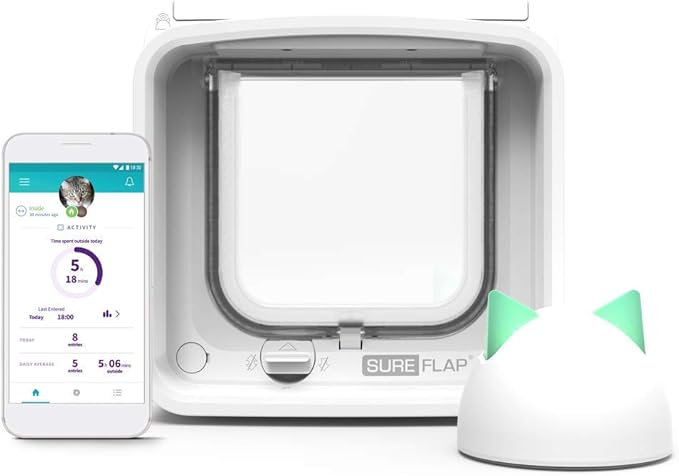
A microchip flap holds shut with a motorised latch rather than a magnet — if that's yours and it isn't closing flush, clean the tunnel and check for debris around the latch.
Fix 2: The Brush Seal
Almost every quality flap has a brush or rubber seal around the tunnel or the flap's edge. It flattens with use, perishes in UV, and after 3–5 years does nothing.
• Look at the flap from outside in daylight with the room lights on. Visible light around the flap edge = failed seal.
• Replacement seals are sold as spares for SureFlap, PetSafe, Cat Mate and Staywell — £5–£15.
• Self-adhesive draught-excluder brush strip from a DIY shop works as a stopgap, but keep it thin: too much friction and the flap won't close under its own weight.
Never silicone the flap itself shut around the edges. It will stop it swinging freely.
Fix 3: Add a Draught Excluder or Go Dual-Flap
| Option | Cost | Draught reduction | Notes |
|---|---|---|---|
| Clean/replace magnet | £0–£8 | Small–medium | Always do this first |
| Replacement brush seal | £5–£15 | Medium | Biggest cheap win |
| Add-on draught excluder panel | £10–£25 | Medium | Blocks the flap when not in use |
| Dual-flap model (two flaps, air gap between) | £45–£90 | Large | The proper fix for cold doors |
| Thermally sealed microchip flap | £70–£160 | Large | Combines selective entry + insulation |
| Overnight manual cover | £0 | Large while fitted | Only works if you remember |
A dual-flap works the same way double glazing does — a trapped air gap between two flaps. If your flap is in a cold hallway or an exposed back door, this is the upgrade worth paying for.
Fix 4: A Badly Cut Aperture (This One Needs a Fitter)
This is the cause we see most in January, and it's always a DIY or budget install. Symptoms:
• Cold air around the outside edge of the frame, not through the flap.
• Visible gaps, filler or mastic smeared around the surround.
• Damp, black spotting or swelling on the inside face of a uPVC or composite door — water is getting into the door skin.
What's happened is the hole was cut larger than the flap's tunnel, so the surround is bridging fresh air, and in a composite or uPVC door the cut edge was left unsealed. Filling it from the inside doesn't fix it — the moisture path is still there.
The repair is to remove the flap, trim and properly seal the aperture, and refit — sometimes with a slightly larger flap or an internal liner to cover the oversize. See our cat flap repairs and refits or read cat flap problems and troubleshooting.
Glass Doors: A Special Case
In a glazed door or window, the flap sits in a new toughened panel with the hole pre-cut — existing toughened glass cannot be cut. Draughts here usually come from one of two places:
• The flap-to-glass gasket, which is part of the flap kit and should be seated evenly all round.
• The glazing beads around the new unit, if the panel was refitted badly.
If a glass install is draughty, don't chase it with sealant — the unit or the gasket needs re-seating. We cover this in cat flap installation cost for glass doors.
When to Replace Rather Than Repair
Replace the flap if:
• The flap panel itself is warped, cracked or crazed — it will never sit flush again.
• The seal isn't available as a spare part for that model.
• It's a single-flap budget model in a cold, exposed door — a dual-flap will pay for itself in comfort alone.
• You're upgrading to microchip or smart anyway; do the draught fix and the upgrade in one visit.
We fit draught-sealed models as standard where the door allows, across Cheshire, Greater Manchester, Merseyside, Lancashire, Staffordshire, Yorkshire and North Wales. Check your door with Will It Fit or request a free quote.
Shop Microchip Cat Flaps on Amazon:
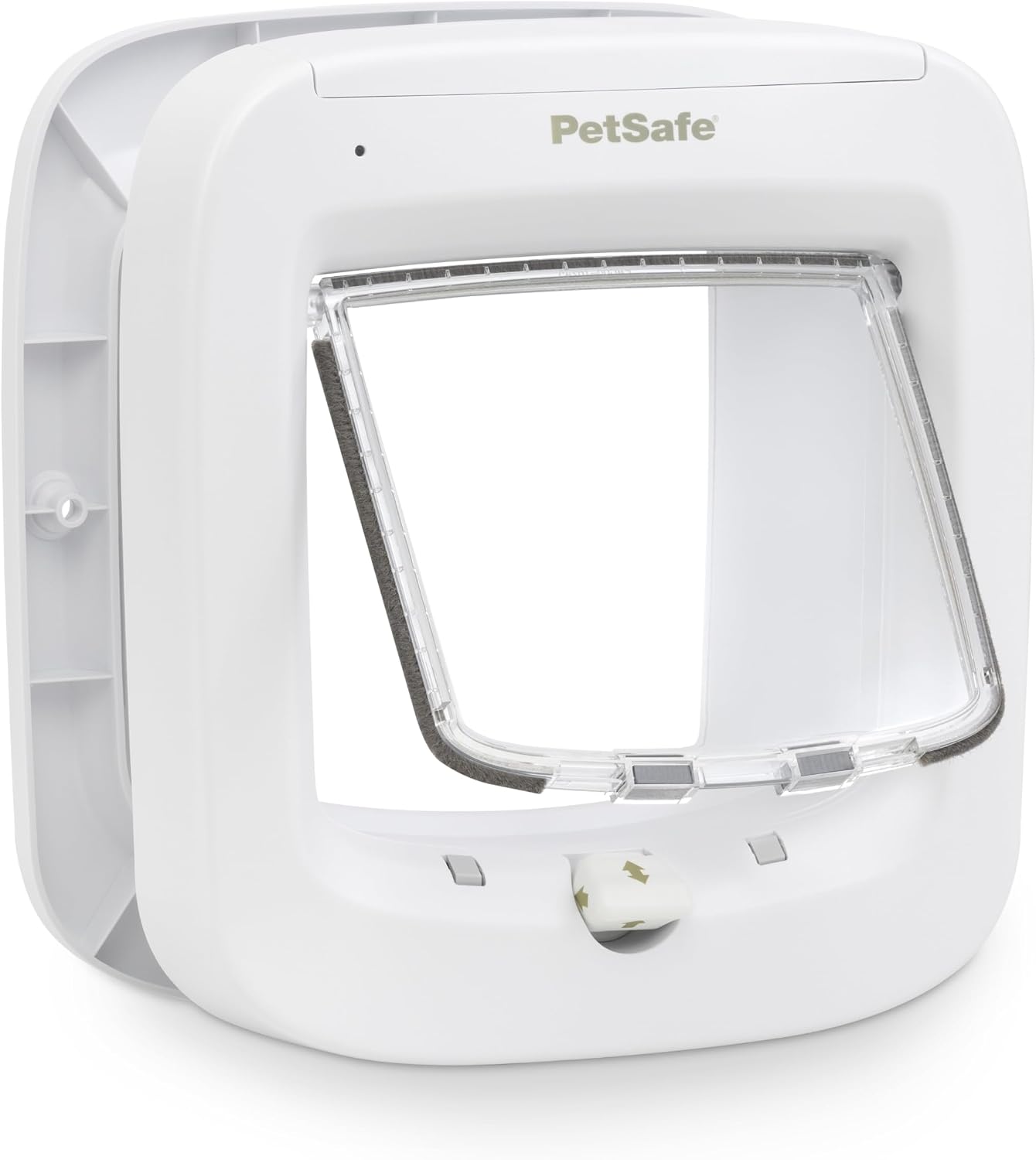
Manual Cat Flaps: