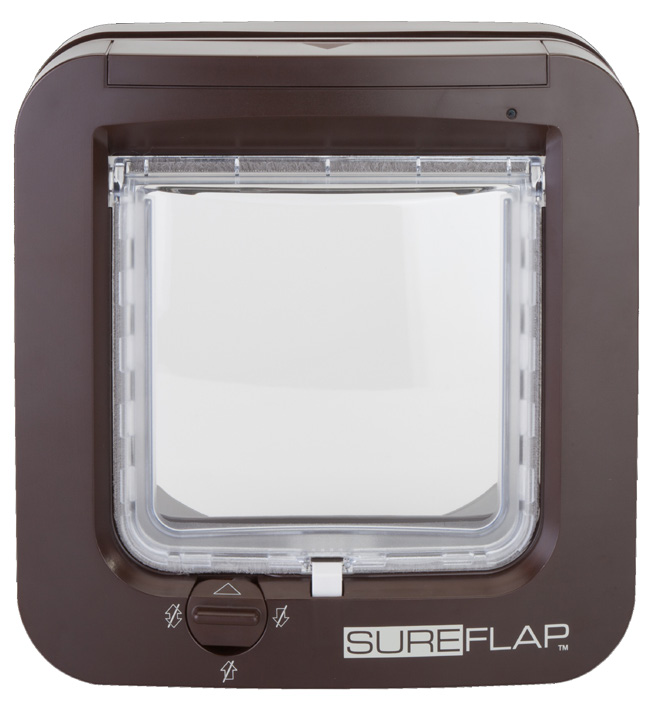
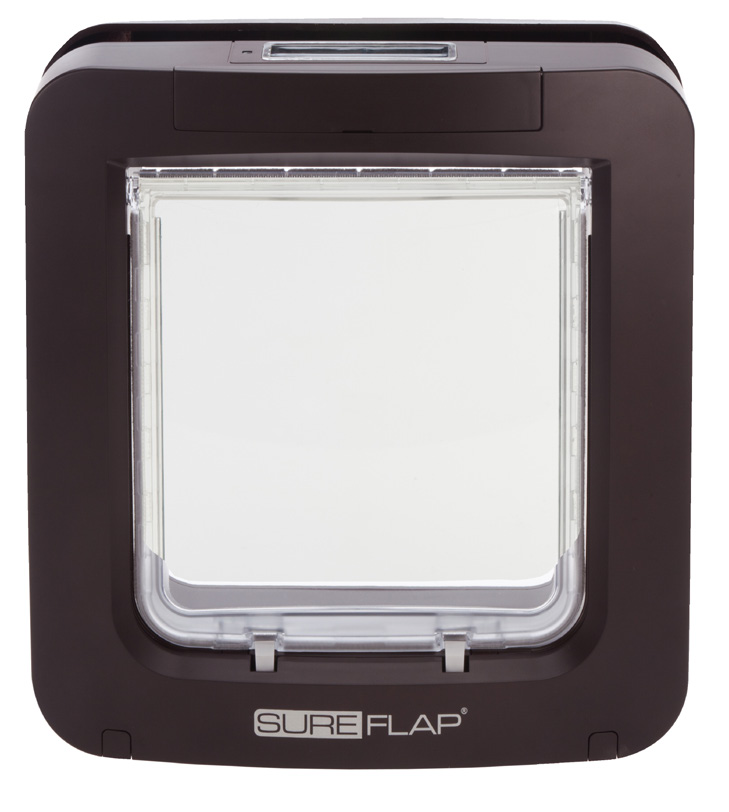
10 Microchip Cat Flap Myths Debunked by a UK Installer
Myth 1: 'The radio signal harms my cat'
Reality: Microchip cat flaps use a passive RFID reader operating at 134.2 kHz — the same low-frequency standard used for the chip in your cat's neck. The signal is *thousands of times weaker* than a mobile phone and only activates for about 0.5 seconds when the cat approaches.
There is no peer-reviewed evidence of any harm to cats from RFID reader proximity, and no veterinary body has ever raised concern. A microchip flap is electromagnetically less significant than your Wi-Fi router.
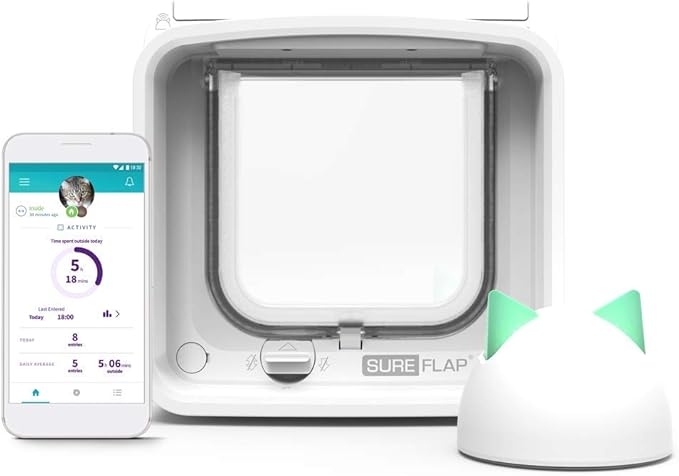
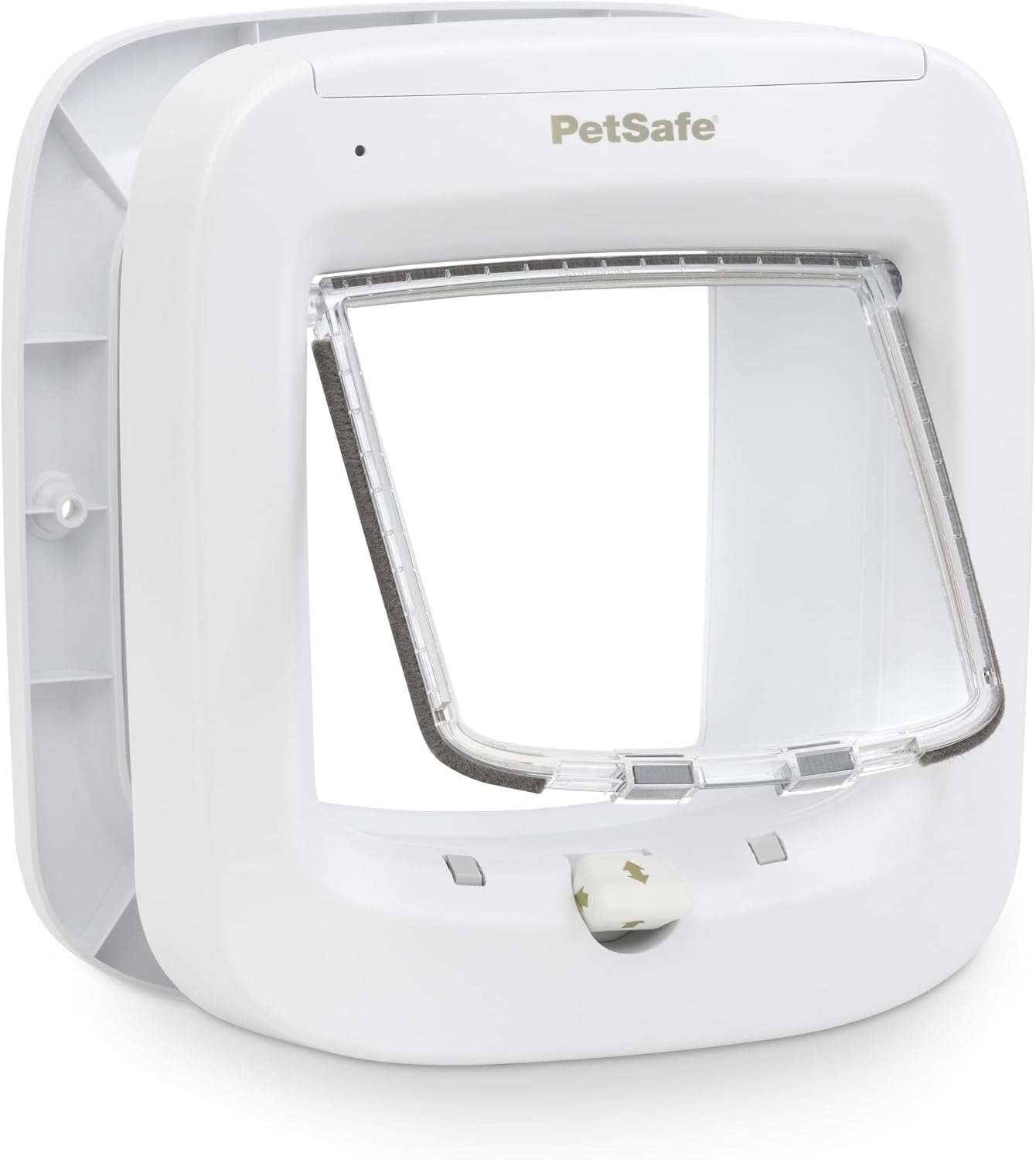
Shop Microchip Cat Flaps on Amazon:
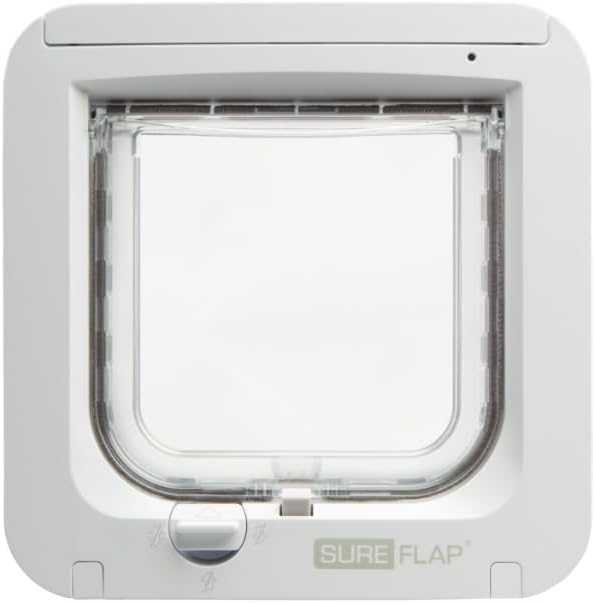
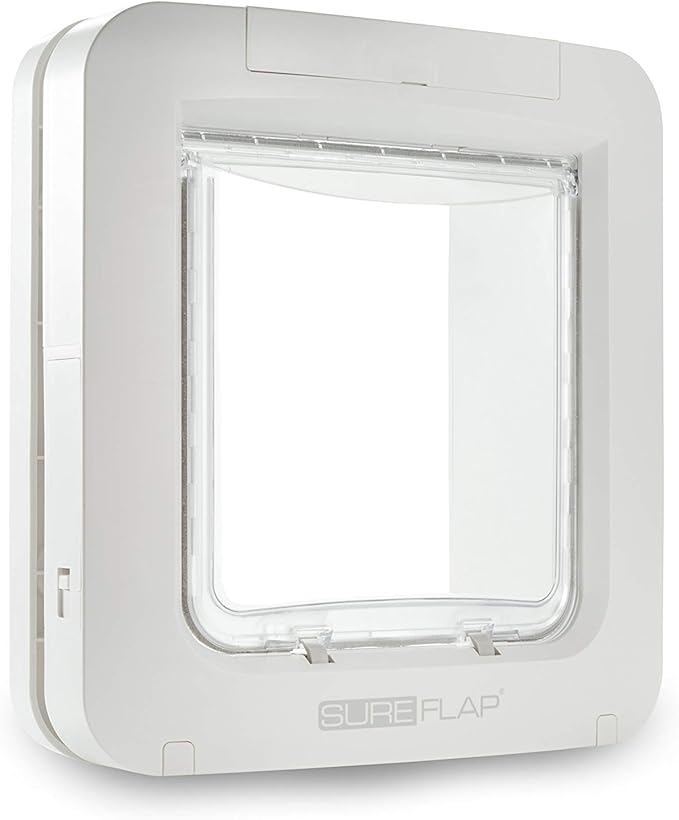
Manual Cat Flaps:
Myth 2: 'Batteries last 2 weeks'
Reality: A SureFlap or Pet-Tek microchip flap on 4 × C-cell alkaline batteries lasts 8–12 months of normal use (two cats, ~20 passes a day). Heavy use (multiple cats, frequent passes) drops it to 6 months. People who report 'two weeks' usually have one of three real causes:
• Cheap unbranded zinc batteries (use alkaline)
• Flap stuck on continuous wake mode because a metal object is held near the sensor
• Faulty battery contact (clean with a pencil eraser)
Full diagnosis in our battery replacement guide.
Myth 3: 'They reject my cat constantly'
Reality: Modern microchip flaps read 15-digit FDX-B chips (the UK / EU standard since 2012) reliably. Rejection issues are almost always:
• An older 10-digit chip (rare now, but pre-2012 cats may have one — flap firmware update usually fixes this)
• Chip migration (chip has moved from neck to shoulder — flap still reads, but the cat has to approach differently)
• Cat learning issue, not a flap issue
See our SureFlap not reading microchip guide for diagnosis.
Myth 4: 'You need a special microchip'
Reality: Any standard 15-digit FDX-B ISO 11784/11785 microchip — the same one your vet implants for legal ID and for the UK pet travel scheme — works with SureFlap, PetSafe, Closer Pets and Pet-Tek microchip flaps. You don't need anything additional. Most cats are already chipped.
Myth 5: 'They drain quickly in cold weather'
Reality: Alkaline batteries do lose some capacity below 0 °C, but in a flap that's drawing milliamps for half a second at a time, the effect is minor. A flap that lasts 12 months in summer typically lasts 10 months in a UK winter. Lithium AA/C cells (where supported) cope better but cost more.
Myth 6: 'Microchip flaps can be hacked by neighbouring cats'
Reality: Each microchip has a unique 15-digit ID. The flap stores a whitelist of which IDs are allowed and ignores all others. A neighbour's cat with a different chip number simply does not open your flap. The chance of two cats sharing a chip number is roughly 1 in 10¹⁵ — far less likely than winning the lottery twice.
Myth 7: 'They're noisier than manual flaps'
Reality: Modern electronic flaps (SureFlap DualScan, SureFlap Connect, PetSafe Smart Door Connect) have softer electronic latches than the loud magnet-slam of basic manual flaps. The motor solenoid that locks/unlocks makes a small click, but the overall pass is quieter, not louder. See our quiet flap guide.
Myth 8: 'They don't work in glass doors'
Reality: Most microchip flaps fit glass doors as easily as composite or uPVC — we install Pet-Tek, SureFlap and PetSafe into glass weekly. The glass aperture is pre-cut at the factory to the exact flap dimensions. See glass door fitting.
Myth 9: 'Microchip flaps invalidate home insurance'
Reality: No mainstream UK home insurer treats a standard microchip cat flap as a policy-voiding alteration. If anything, microchip flaps are *more* secure than manual flaps because no other animal or person can open them. Full insurer guidance in our home insurance article.
Myth 10: 'They're too complicated for older owners to set up'
Reality: Programming a SureFlap takes 30 seconds: hold a button, walk the cat through the flap once, done. Most basic microchip flaps require no smartphone, no Wi-Fi, no app — just batteries and the cat. The connected app-controlled models (SureFlap Connect, PetSafe Smart Door Connect) are optional upgrades, not requirements.
The Honest Summary
Microchip cat flaps are reliable, safe, energy-efficient, and the most common choice we fit in the UK. They're not perfect — battery life is finite, electronics can fail, and any electronic flap costs more than a manual one. But the myths above are folklore, not facts.
If you're choosing a microchip flap, see our SureFlap vs PetSafe comparison, microchip vs manual comparison, or request a quote.